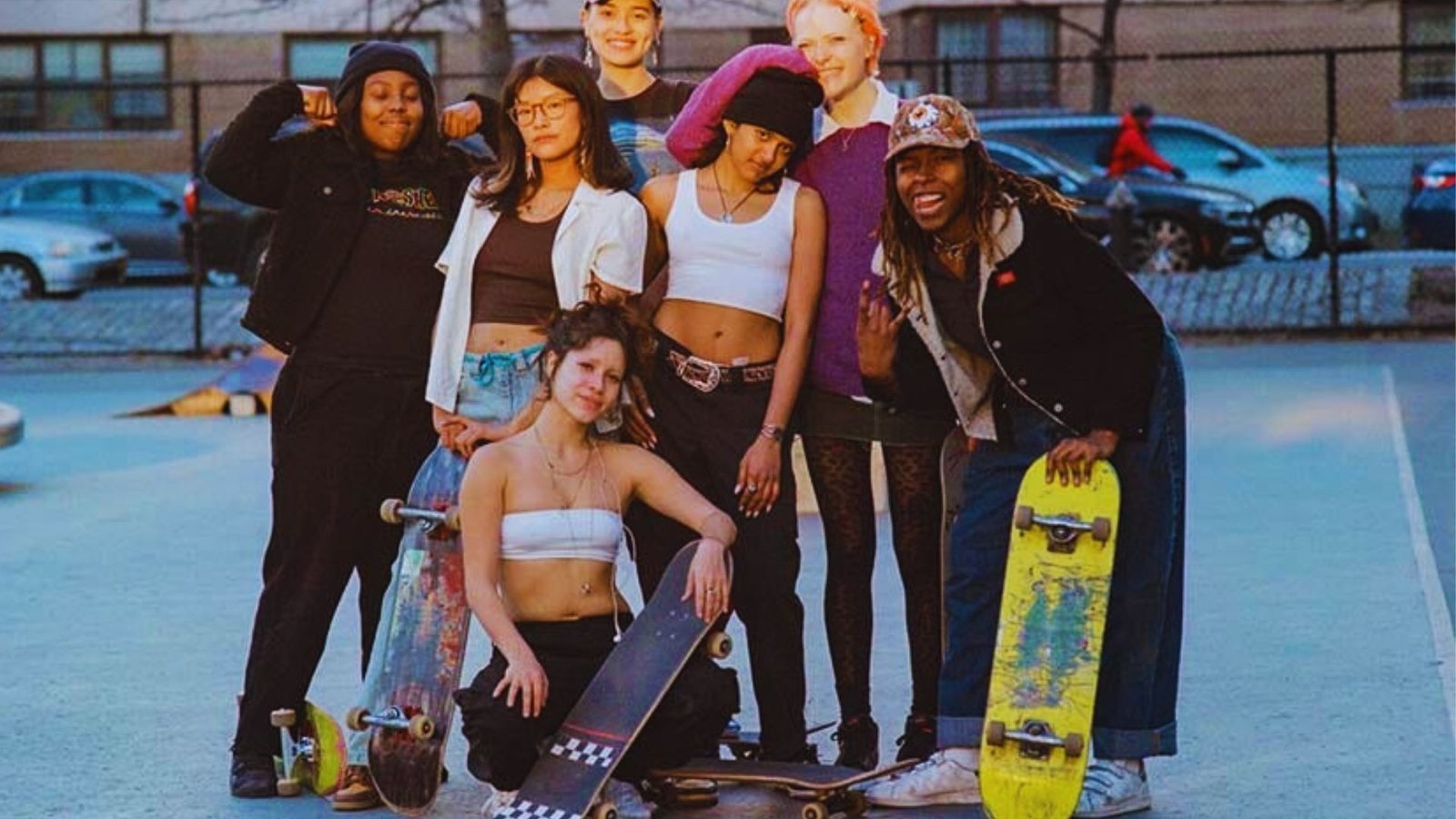
Remember the baggy jeans, oversized tees, and beat-up Vans? 90s skater fashion wasn’t just about looking cool. It was about identity and freedom. I’ve spent years studying street culture and style movements, and this era stands out for its raw authenticity.
In this guide, I’ll walk you through the origins of skate style, the brands that shaped it, and the music that influenced every outfit.
You’ll learn how function became fashion and why this look still matters today. This isn’t just nostalgia. It’s understanding a movement that changed how we dress.
Origins of Skateboarding and Early Style Roots
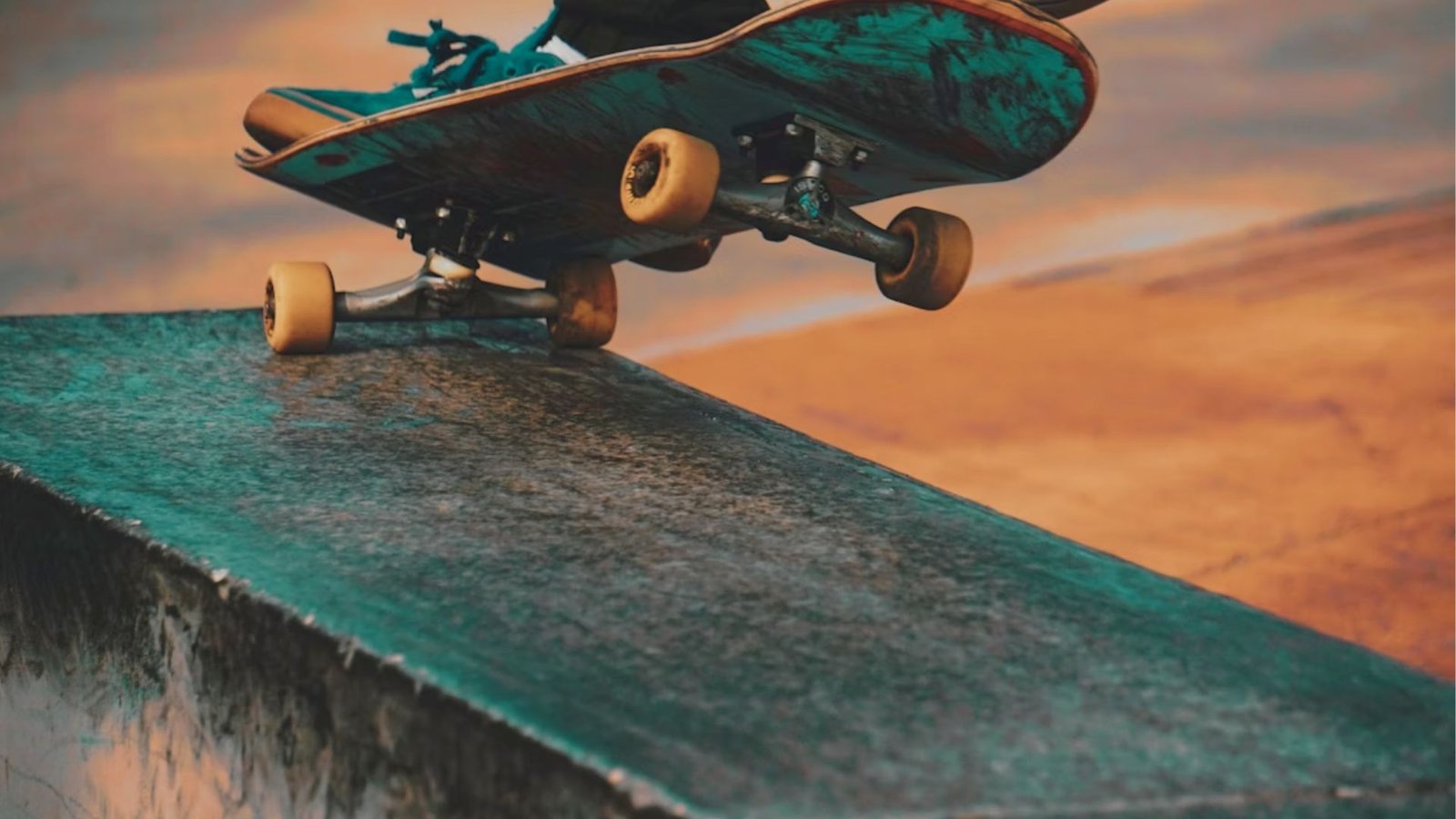
Skateboarding started as a way for surfers to practice on land. California in the 1950s and 60s gave birth to this culture. The first skateboards were homemade. Surfers attached roller skate wheels to wooden planks.
Early skaters dressed like surfers in board shorts and tank tops. Brands like Hang Ten and Ocean Pacific dominated with bright colors and relaxed fits.
As skating evolved, skaters needed durability over the beach style. Pants replaced shorts. Shoes got thicker soles. By the 1980s, skate style was separating from surf culture entirely.
Rise of 90s Skateboarding Culture
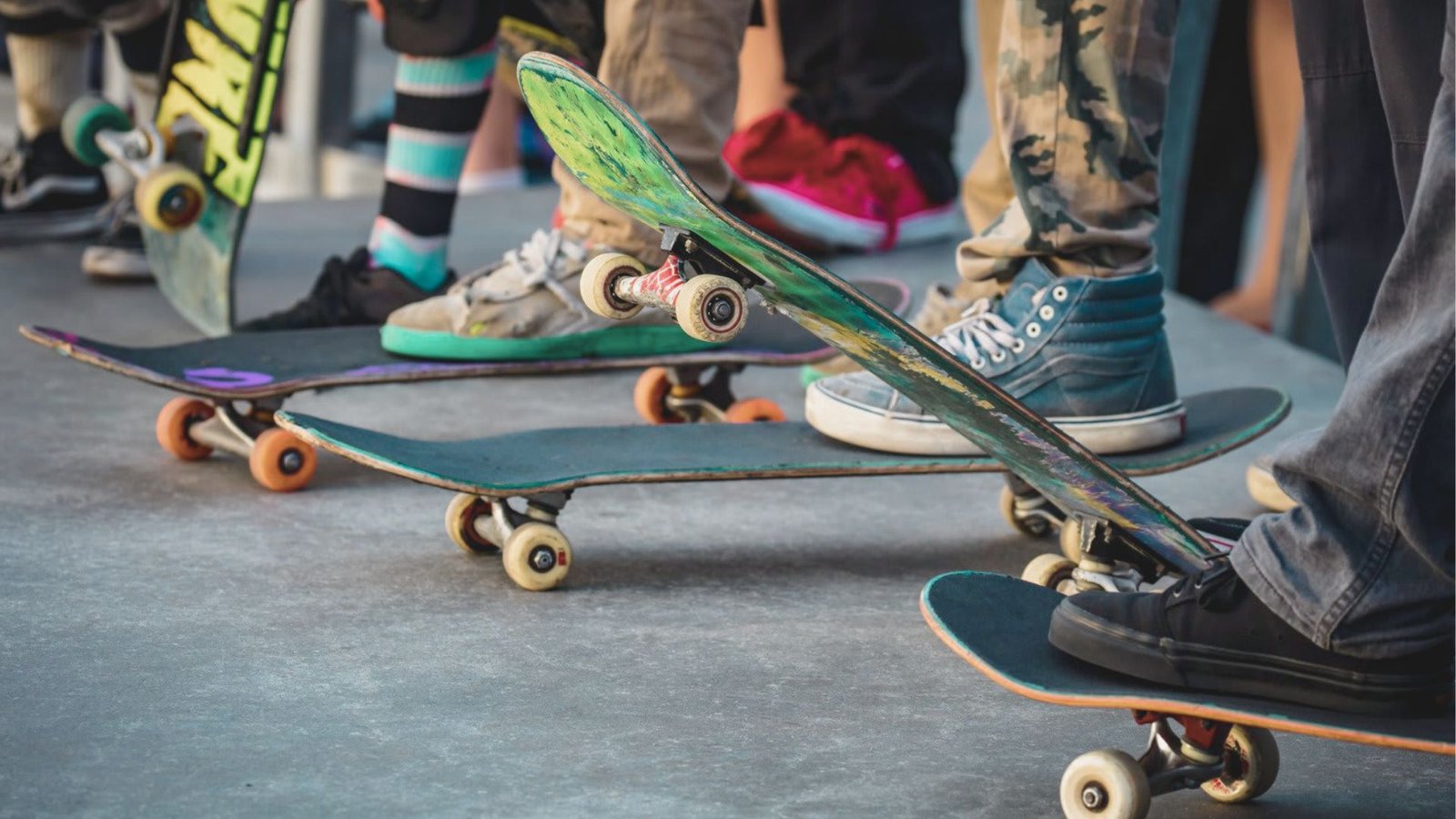
The 1990s brought skateboarding from beaches to city streets. Street skating took over. Skaters used stairs, rails, and ledges as obstacles. This urban setting influenced clothing choices. Darker colors and tougher fabrics became standard.
Skaters rejected mainstream culture. They built their own ramps and filmed their own videos. Ripped jeans weren’t fashionable. They were really damaged. The style said, “We don’t need your approval.”
Skating became an identity for kids who didn’t fit in. It was a lifestyle. The clothes marked you as part of the tribe. Parents didn’t get it. That made it even better.
Key Elements of 90s Skater Fashion
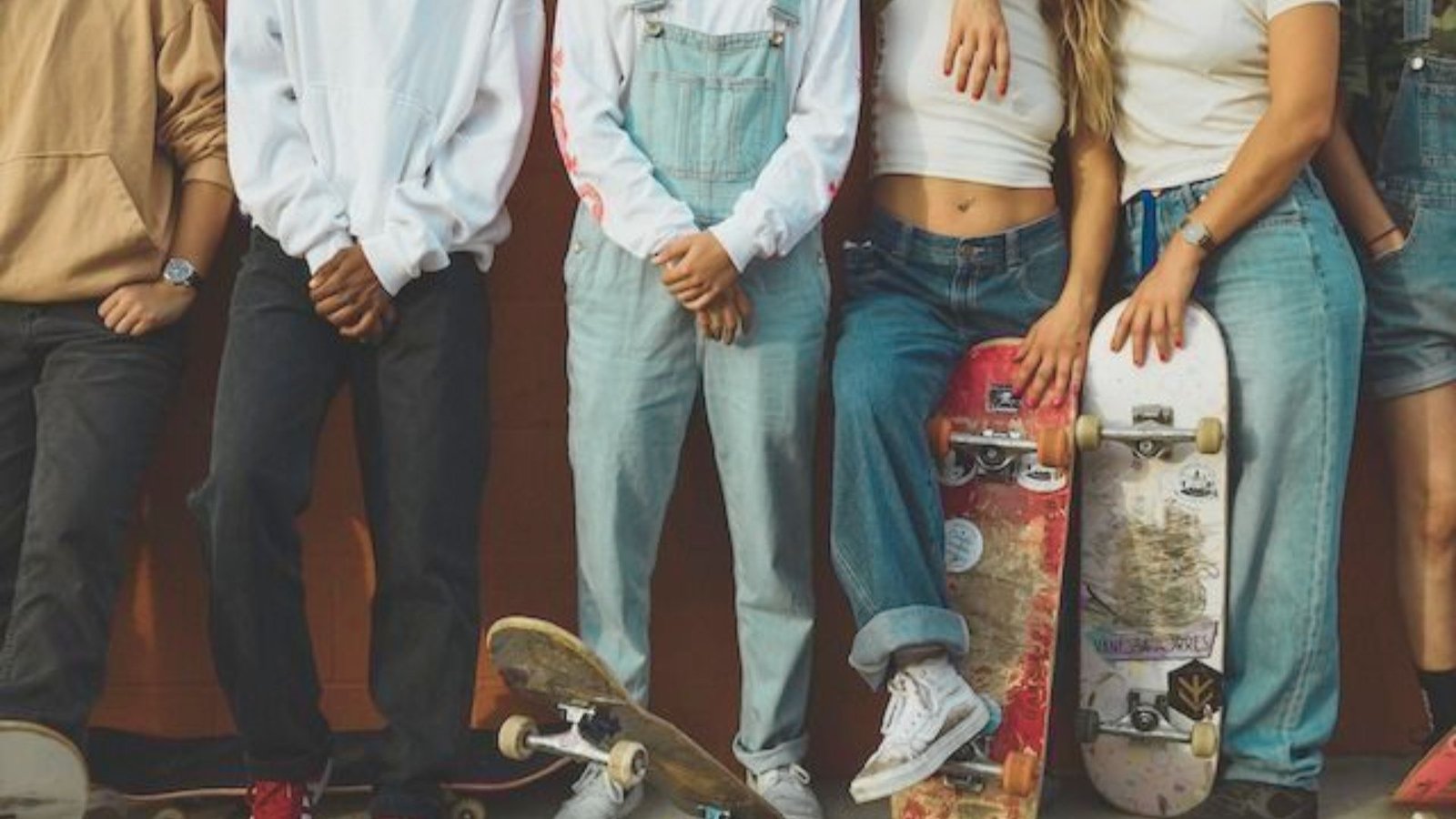
The ’90s skate look was about comfort, durability, and attitude. Every piece served a purpose beyond style.
Baggy Jeans, Cargo Pants, and Shorts
Baggy pants ruled the ’90s skate scene. JNCO jeans could fit an entire skateboard in the leg. Cargo pants offered pockets for tools and tapes.
Dickies work pants became staples for their toughness. The loose fit allowed movement and protected skin during falls. Shorts were long and sat below the knee.
Oversized Graphic T-Shirts and Hoodies
Shirts were at least two sizes too big. Graphics featured skate brands, band logos, or wild designs. Hoodies provided warmth and pockets for the hands. Layering was common.
A tee over a long-sleeve shirt was standard. Colors ranged from black to bright primary shades. Logos were loud and proud.
Skate Shoes and Durability-Driven Design
Shoes took the most abuse. Vans, DC, Etnies, and Airwalk dominated. Thick soles absorbed impact. Suede and canvas held up to grip tape.
Puffy tongues and padded collars protected ankles. The “skate shoe” became its own category. Worn-out shoes with holes were badges of honor.
Caps, Beanies, and Functional Accessories
Backwards baseball caps were everywhere. Trucker hats with mesh backs kept heads cool. Beanies worked for cooler weather or bad hair days.
Chain wallets prevented theft during skating. Wristbands caught sweat. Backpacks carried boards and gear. Function always came first.
Influential Figures in ’90s Skate Fashion
These skaters shaped how people dressed and what brands mattered. They were more than athletes. They were style icons.
Tony Hawk and Mainstream Visibility
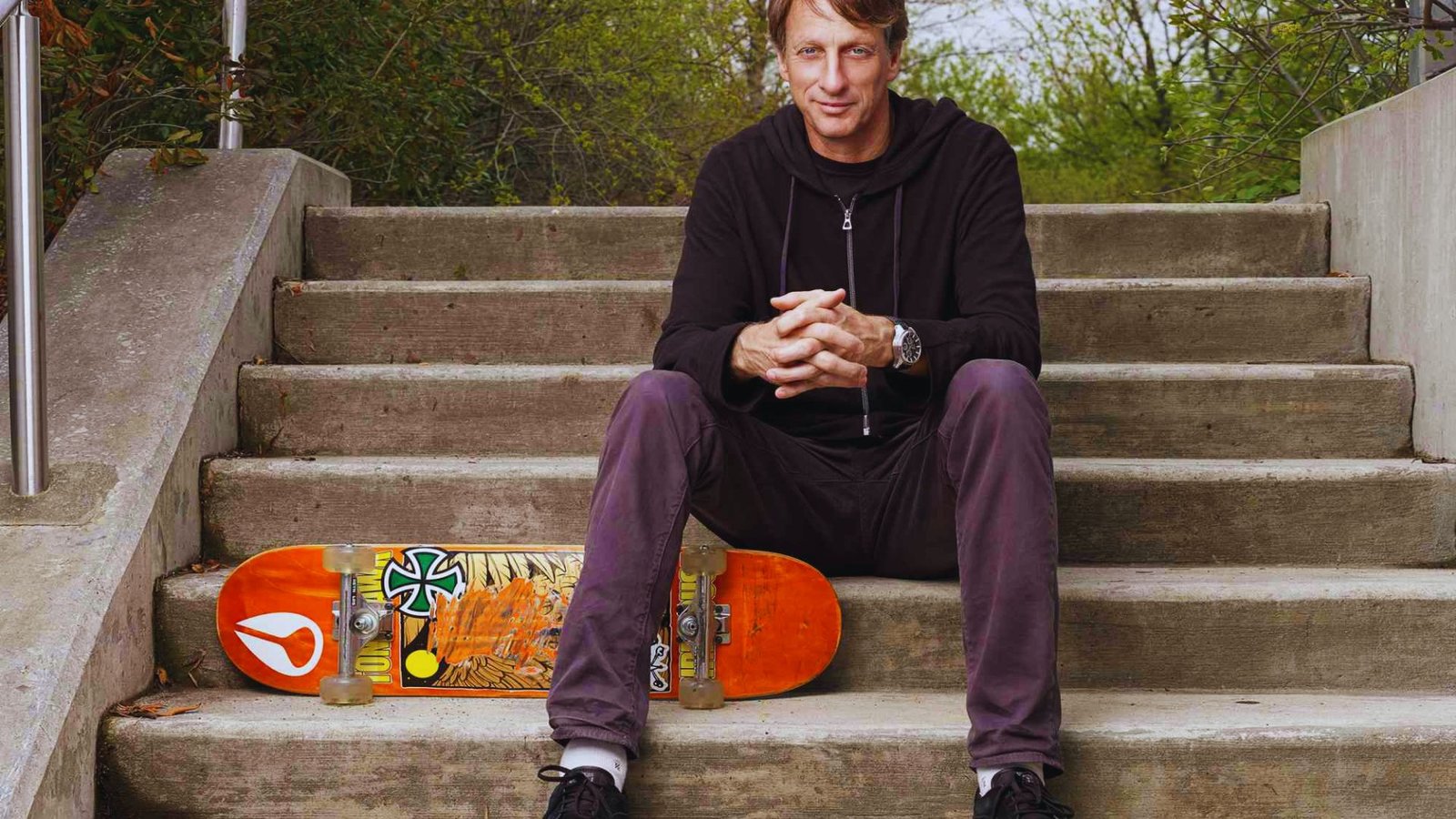
Tony Hawk brought skating to the masses. His video game in 1999 changed everything. Hawk made baggy pants and skate shoes acceptable everywhere.
He worked with brands to create signature gear. His clean-cut image helped skating reach suburban kids.
Rodney Mullen and Street Skating Innovation
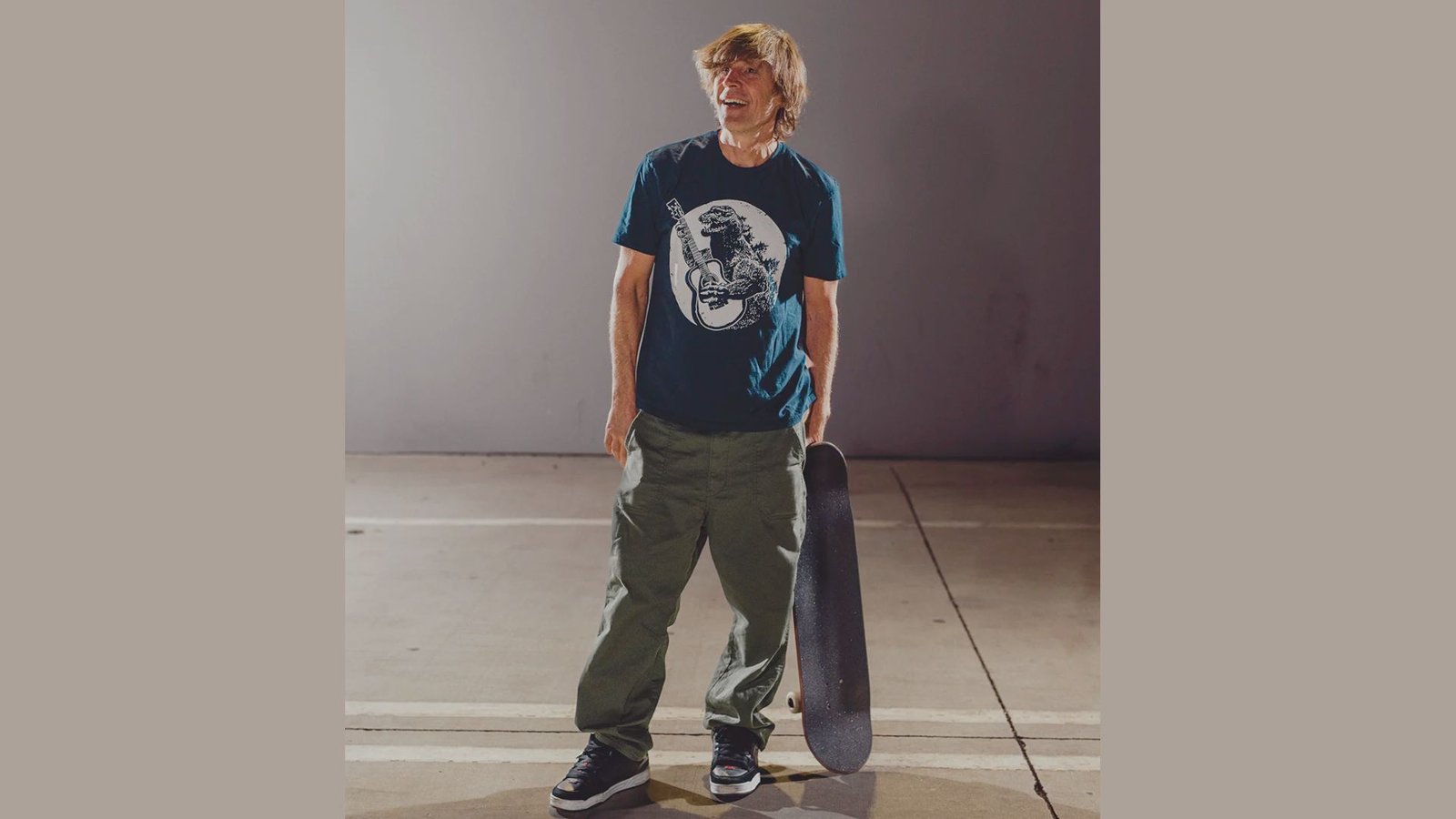
Rodney Mullen invented most modern street tricks. His technical style influenced skate culture deeply. Mullen kept a lower profile but earned massive respect.
His preference for simple, functional clothing resonated with serious skaters. He proved you didn’t need flash to be legendary.
Bam Margera and Skate Media Impact
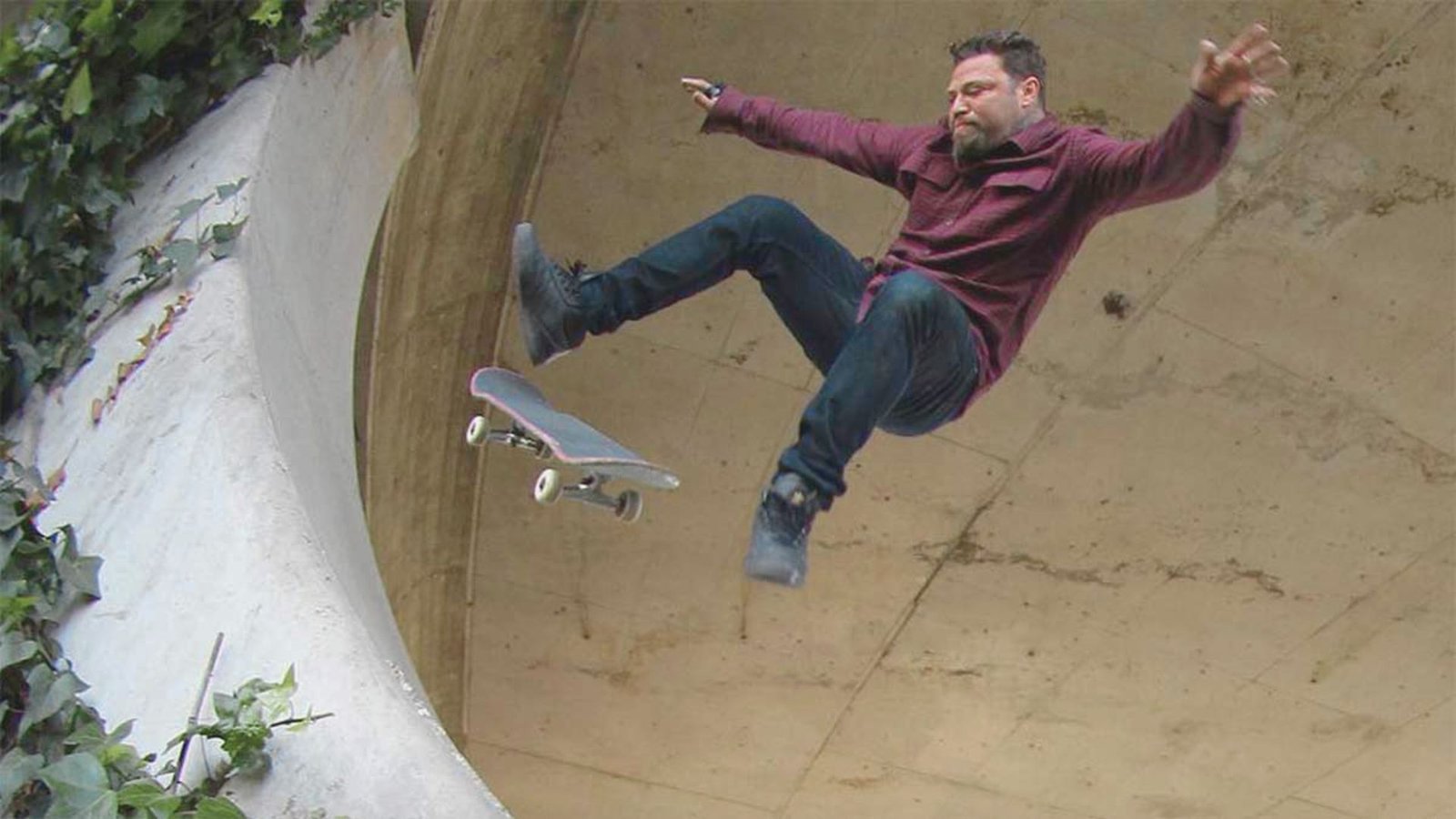
Bam Margera represented the wild side of skate culture. His CKY videos and later Jackass made him famous. Margera wore Element gear and helped popularize the brand.
His style mixed skating with punk rock attitude. He showed that skating could be entertainment beyond the tricks.
Artists and Designers Behind Skate Graphics
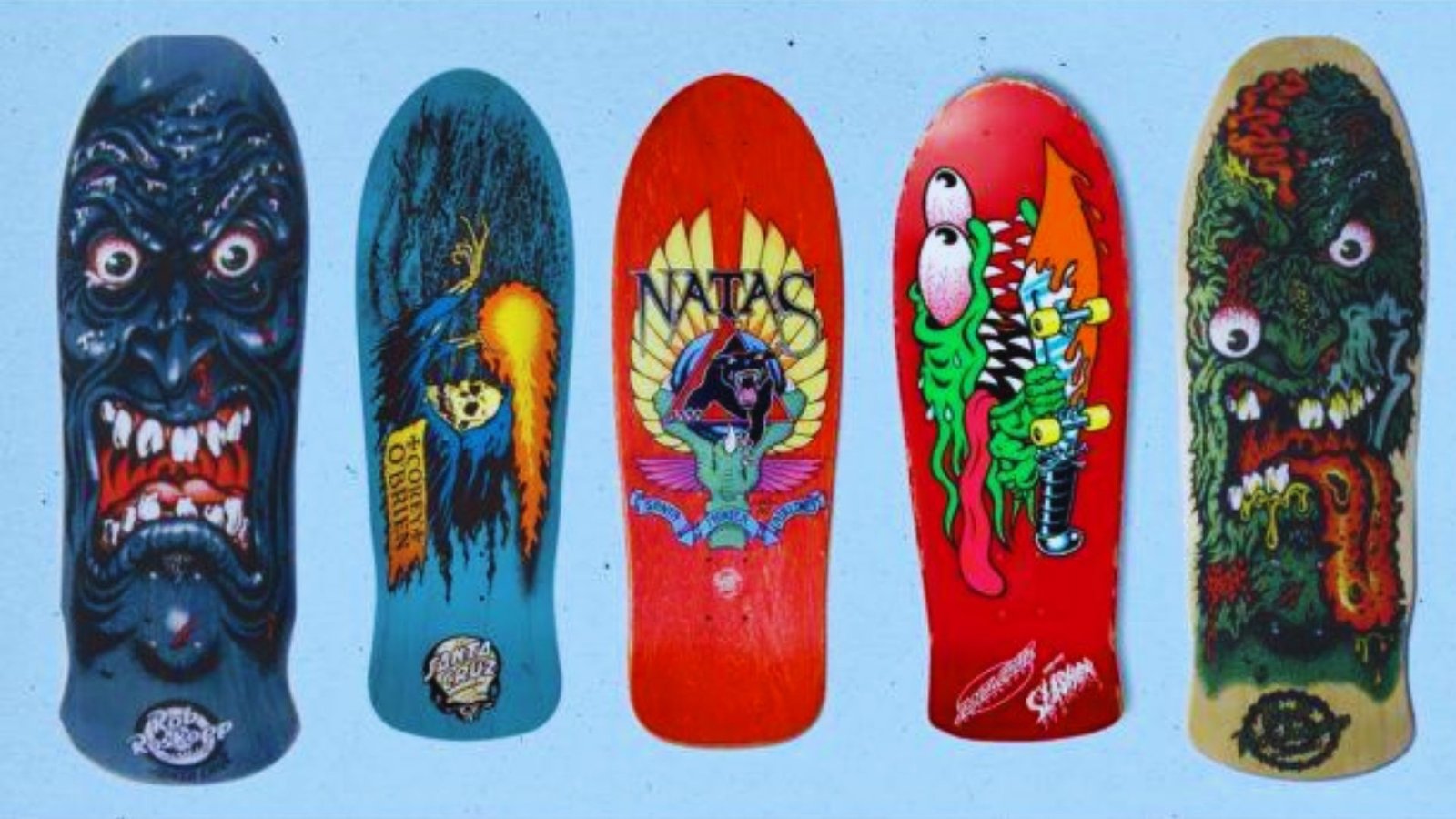
The artists mattered as much as the skaters. Jim Phillips created iconic Santa Cruz graphics. Sean Cliver designed for Powell and later for Supreme.
Marc McKee did legendary World Industries art. These designers gave each brand its visual identity. Their work made skateboard graphics into art.
Music’s Influence on ’90s Skater Fashion
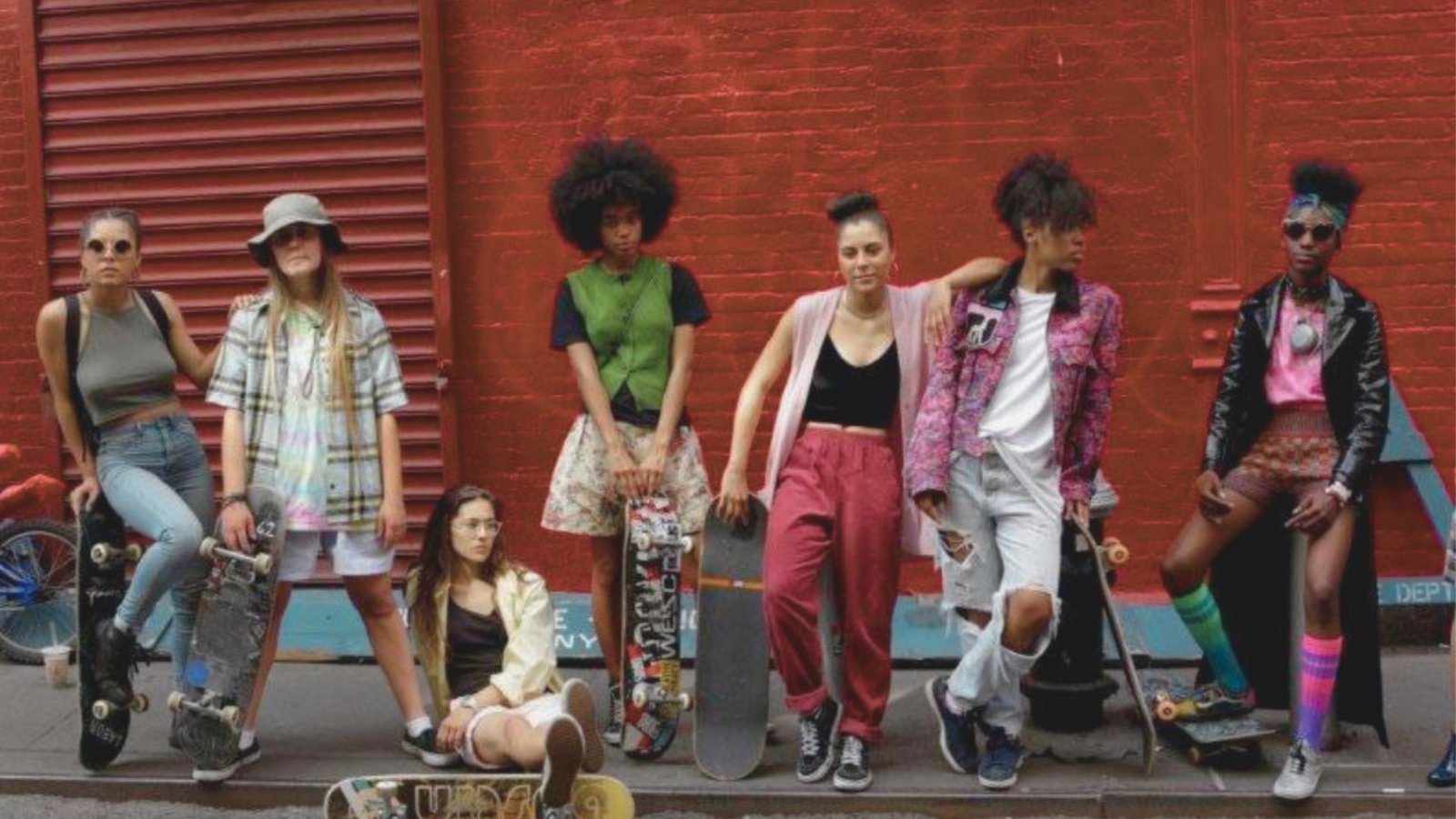
Punk rock was skate culture’s soundtrack. Bands like Bad Religion, NOFX, and Pennywise played in skate videos. Punk style brought ripped clothes, band tees, and studded belts. The attitude was the same: reject the mainstream.
Hip-hop heavily influenced 90s skate style. Skaters listened to Wu-Tang, Nas, and Tribe Called Quest. The baggy pants and oversized shirts came partly from rap culture. The two cultures blended naturally on city streets.
Grunge and skating shared DNA in the ’90s. Nirvana, Soundgarden, and Pearl Jam appeared in skate videos. Flannel shirts became skate staples. The “I don’t care” attitude of grunge matched skate culture perfectly.
Skate Videos, Media, and Fashion Influence
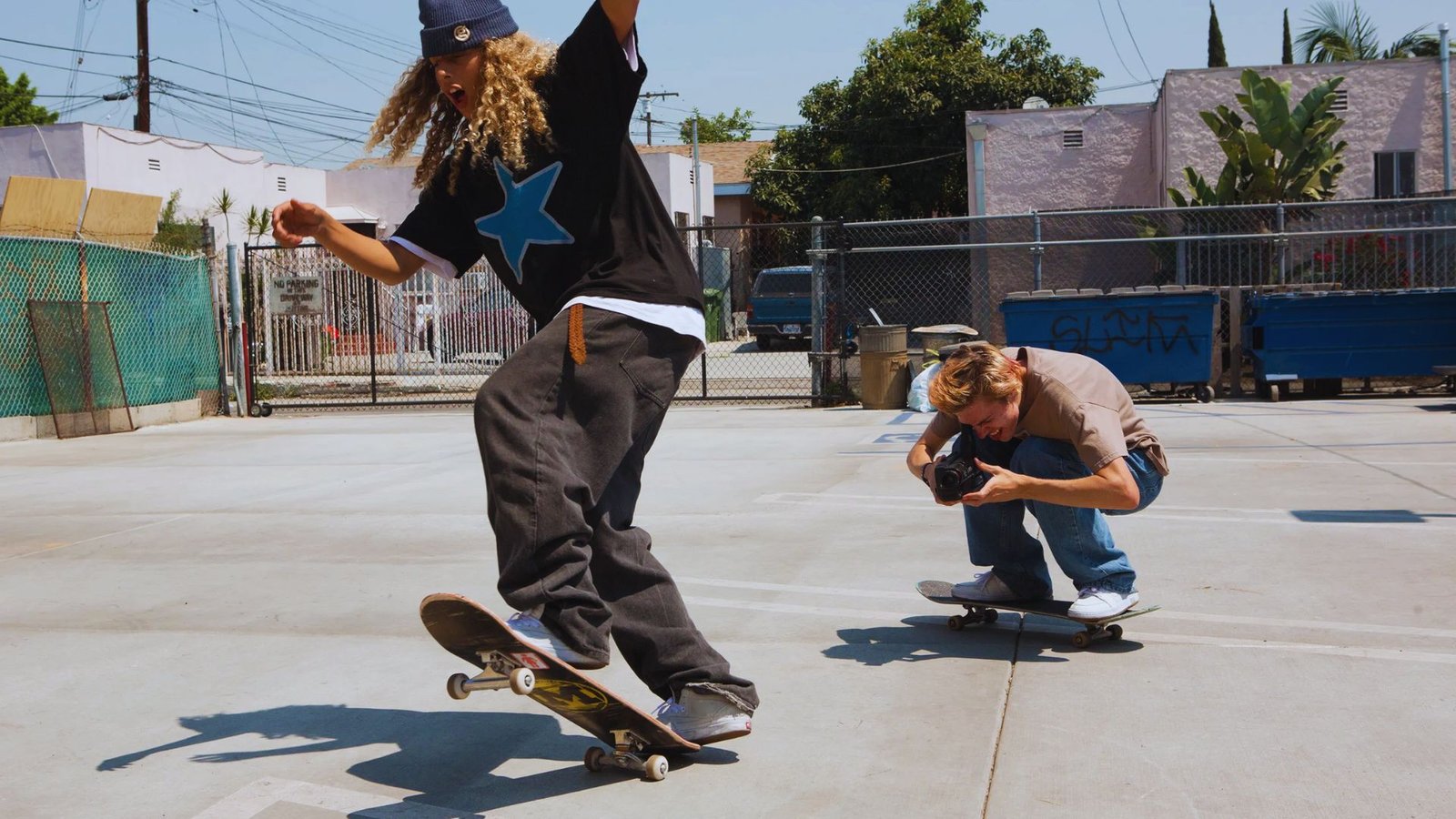
Videos and magazines taught kids how to skate and what to wear. Media shaped the culture more than any single brand.
Skate videos were everything in the ’90s. “Video Days” by Blind and “Questionable” by Plan B were studied like textbooks. Kids watched how pros dressed between tricks. What team riders wore became what kids wanted to buy.
Thrasher and Transworld Skateboarding magazines were monthly bibles. Kids studied every page for style cues. Magazines showed which brands were cool and which weren’t.
Logos meant everything in ’90s skate culture. The bigger and bolder, the better. Wearing recognizable skate brands showed authenticity. Logos were tribal markers that separated real skaters from posers.
From Function to Fashion Industry Influence
What started as practical gear became a global fashion movement. The transition changed both skating and clothing.
Practical Clothing for Performance
Early skate clothing solved real problems. Baggy pants allowed leg movement for tricks. Thick shoes protected feet from board impact.
Durable fabrics lasted through falls and scrapes. Every design choice had a functional reason. Style was secondary to survival and performance.
Rise of Streetwear and Mainstream Adoption
By the late 90s, non-skaters wore skate brands. Suburban malls sold Vans and Hurley. Department stores stocked baggy jeans marketed to everyone.
Music videos featured skate style. Fashion magazines covered the trend. What was underground became mainstream fashion.
Early Luxury and Fashion Collaborations
High fashion started noticing skate culture. Small collaborations appeared in the late 90s. Supreme’s limited releases created a collector culture.
Japanese brands like A Bathing Ape connected streetwear with luxury pricing. The stage was set for skating to influence high fashion in the 2000s.
Why 90s Skater Fashion Still Matters?
90s skate fashion valued realness over perfection. The clothes were comfortable and practical. The style rejected fashion rules and social expectations. That authenticity resonates now more than ever. People want clothes that feel genuine.
Kids today wear Vans and Thrasher shirts. Baggy pants came back in style. The brands from the 90s still matter. Parents who skate pass the culture to their children. The style crosses generations because it’s based on attitude, not trends.
Skating was always about self-expression. The fashion reflected that creativity. DIY graphics, custom shoes, and personal style choices mattered. Today’s streetwear owes everything to 90s skate fashion. The movement proved that subculture could become culture.
Conclusion
90s skater fashion taught us that style comes from authenticity, not trends. I still wear my beat-up Vans because they represent something real: a time when clothes had meaning beyond looks.
This style worked because it served skaters first and looked good second. The baggy pants, graphic tees, and worn shoes told a story of scrapes, falls, and getting back up.
That spirit lives on in every generation that values comfort and rebellion over conformity. Share your favorite 90s skate memory in the comments below.
Frequently Asked Questions
What defined 90s skater fashion?
Baggy jeans, oversized graphic tees, skate shoes like Vans, and functional accessories. The style focused on comfort and durability, with brands like Thrasher and Supreme leading the way.
Why did skaters wear baggy clothes in the 90s?
Baggy clothing allowed movement for tricks and protected skin during falls. The loose fit also showed anti-mainstream attitudes and connected with hip-hop culture.
What skate brands were popular in the 90s?
Vans, Thrasher, Powell Peralta, Santa Cruz, Element, and Supreme dominated. DC, Etnies, and Airwalk were major shoe brands alongside Baker and Zero.
How did music influence ’90s skate fashion?
Punk rock brought ripped clothes and band tees, hip-hop inspired baggy fits, and grunge added flannel shirts. Skate videos featured these genres constantly.
Is 90s skater fashion still relevant today?
Yes, the style has made a strong comeback. Baggy pants, Vans shoes, and vintage skate brands remain popular with people who value authenticity over trends.