What story can a single dress tell about the time it came from?
While reading about Belle Époque fashion, I often felt drawn into a world shaped by social rules, craft skills, and public display.
In this guide, you will notice how silhouettes changed, how fabrics signaled class, and how accessories completed each outfit.
From men’s formal suits to women’s structured gowns, every detail had meaning.
After years of studying dress history and museum pieces, I share clear insights that help you recognize this style today while keeping curiosity alive for what comes next.
Understanding Belle Époque Fashion

The term Belle Époque refers to a period in European history from about 1871 to 1914.
The French phrase is often translated as a “fine period,” linked with peace, growth, and active cultural life. Fashion in these years shifted often and showed clear class divisions.
This phase came after the Victorian era and before the Edwardian era, so it shared traits with both while forming its own style identity.
The city of Paris stood at the center of haute couture ideas. New factory methods and rising wealth allowed more people to access detailed clothing.
Dress also worked as a public sign of social rank and modern urban life.
Key Characteristics of Belle Époque Women’s Fashion
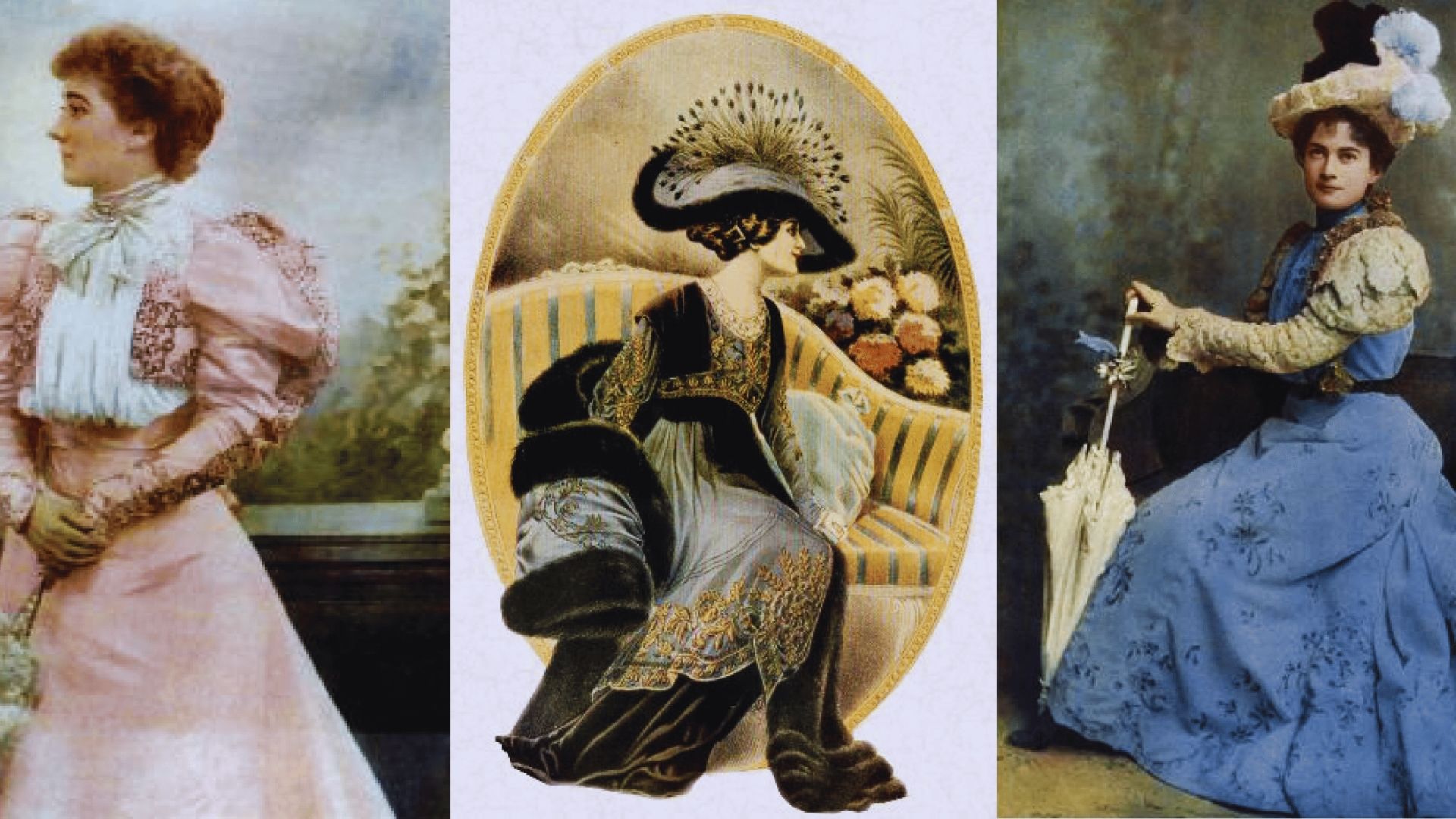
Women’s dress during this period changed often and reflected shifting ideas about form, comfort, and social display. Clothing details also helped show class position and public identity.
Evolution of the Silhouette
Women’s silhouettes passed through many changes between the 1870s and 1914. Early dresses used bustle backs that added volume behind the skirt.
In the 1890s, large leg-o’-mutton sleeves shaped a clear hourglass line. Around 1900, the S-bend corset pushed the chest forward and hips back.
Later, designers such as Paul Poiret supported higher waistlines and looser gowns with softer movement.
Fabrics and Decoration
Garments from this time often used rich textiles that showed wealth and careful design work. Common materials included silk, satin, chiffon, and lace.
Surface details such as tassels, embroidery, bead patterns, and floral motifs added texture. These features gave visual depth while keeping the main dress structure intact.
Daywear vs. Eveningwear
Clothing worn during the day followed formal social rules and had a modest look. High collars, fitted bodices, and full skirts shaped most daytime outfits.
Evening dress allowed more open cuts and lighter tones. Gowns often had lower necklines, softer shades, and lighter fabrics suited for balls or dinners.
Accessories and Finishing Touches
Accessories helped complete the overall dress style and added a sense of order to public appearance. Large hats with feathers or ribbons stood out in social spaces.
Parasols protected skin from sunlight. Women also used long gloves, small jewelry pieces, and pointed boots or heeled shoes for daily wear.
These details together shaped a clear and lasting visual identity for women’s dress during the Belle Époque period.
Belle Époque Men’s Fashion
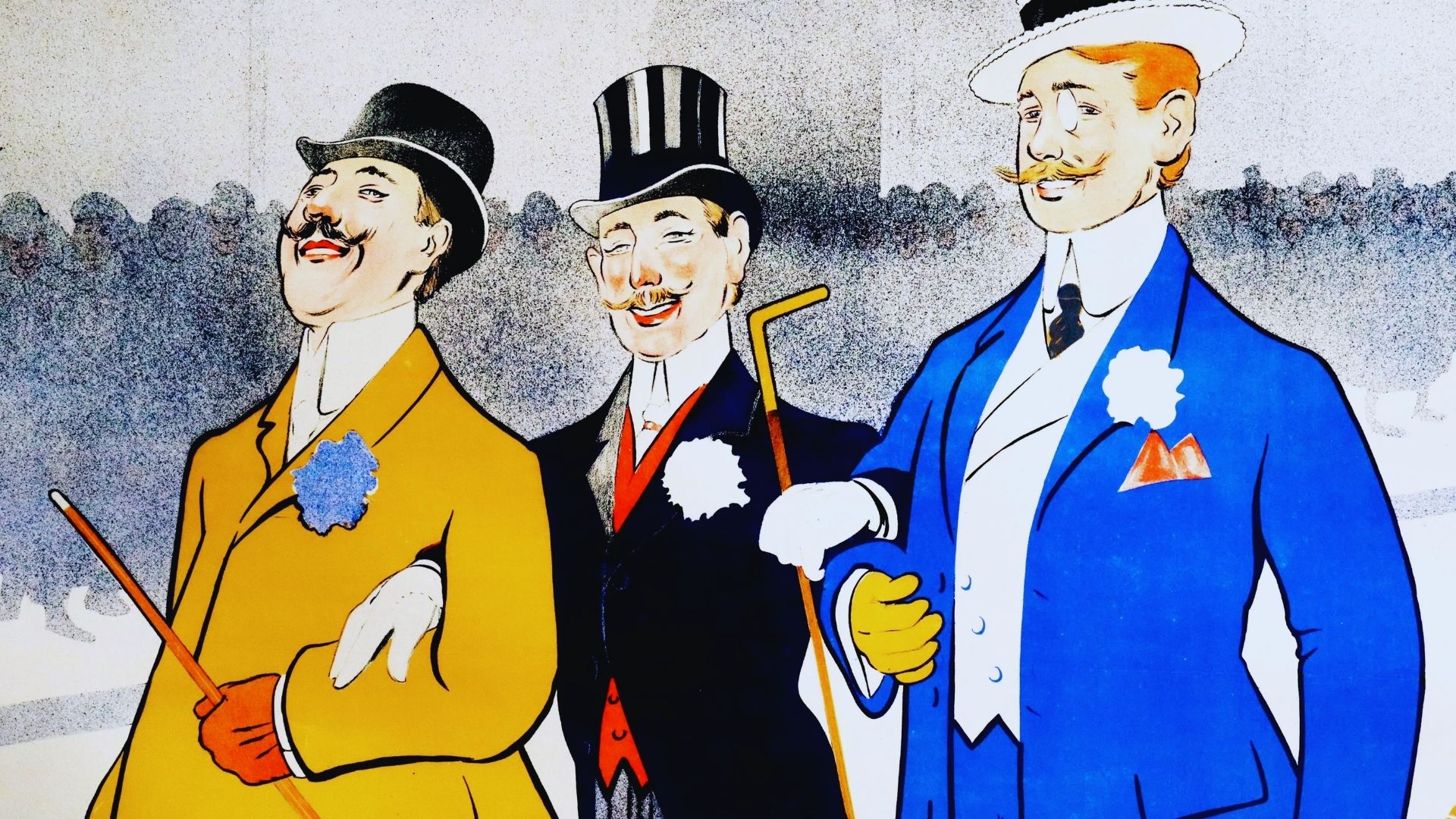
Men’s clothing during the Belle Époque period remained formal and orderly in most public settings.
A typical outfit included a three-piece suit made up of a jacket, waistcoat, and matching trousers.
For formal events or business visits, men often wore long frock coats paired with tall top hats. Shirts were usually white with stiff collars, and ties or bow ties completed the look.
Careful fit and neat lines shaped daily attire, showing respect for social rules and class position.
While women’s fashion changed more quickly in shape and detail, men’s dress evolved slowly, keeping a steady focus on structure, tradition, and proper presentation in both work and social life.
Influences on Belle Époque Fashion

Fashion during this period did not change on its own. Art, new tools, and social ideas all shaped how people dressed in daily life.
Cultural and Artistic Influences
Visual culture had a strong link with dress trends of the time. Curved lines and nature themes from Art Nouveau appeared in fabric patterns and trims.
Public interest in theatre, opera, and ballet also shaped fashion, as stage costumes often set examples for society.
Technological and Industrial Advances
New tools and factory methods helped clothing production grow at a faster pace. Sewing machines made garment work more efficient and reduced manual labor time.
Fresh chemical dyes expanded color choices, while improved weaving methods allowed lighter fabrics and richer surface detail on dresses.
Social Shifts and Gender Norms
Changing views about women’s roles in education and public life had an effect on dress habits. Clothing began to balance form with greater ease of movement.
Fashion also worked as a visible sign of wealth, class identity, and personal values within social spaces.
Influential Designers and Fashion Houses
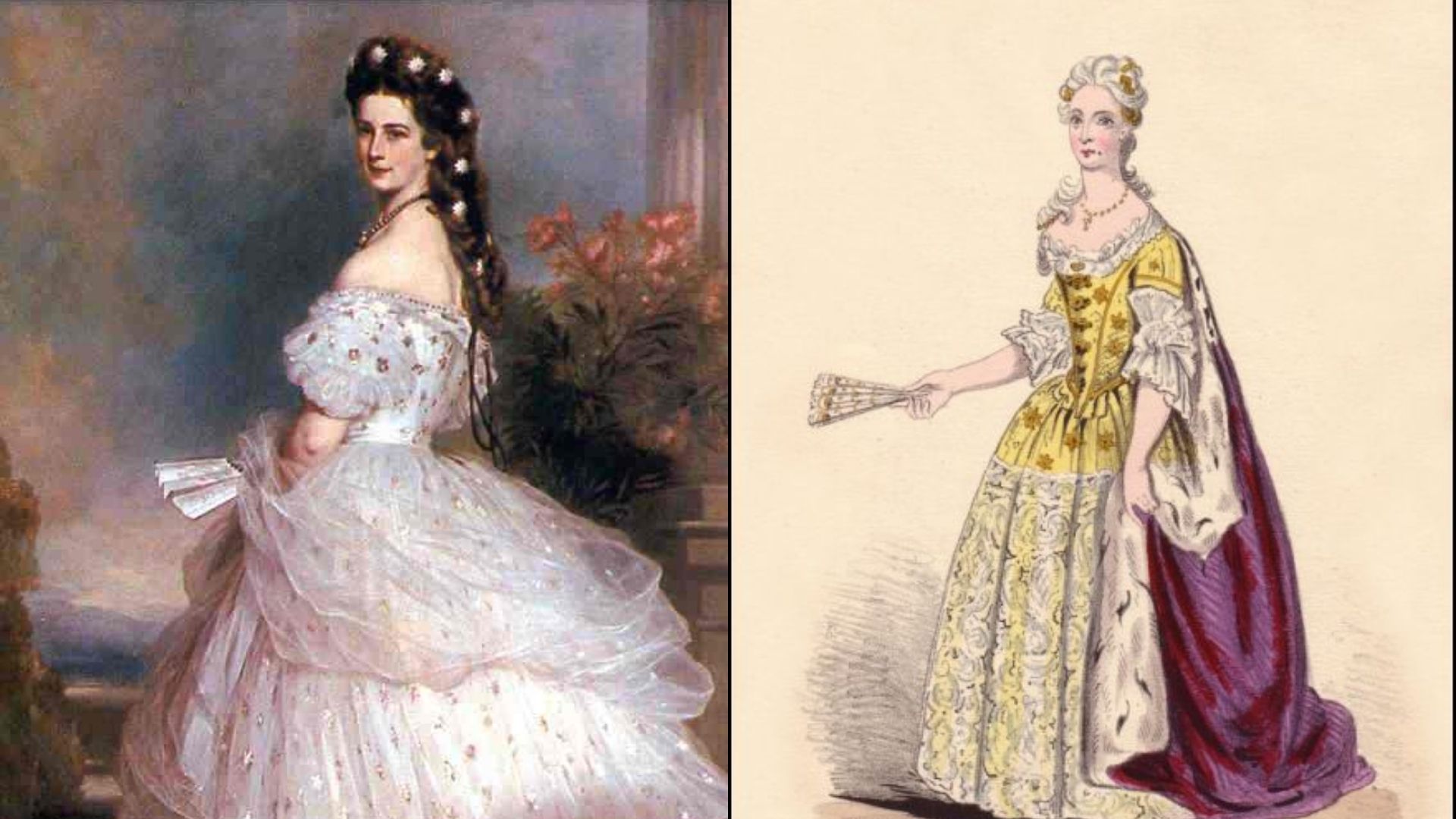
Leading designers and couture houses shaped public taste and guided dress trends across many regions. Their work set standards for form, fabric choice, and fashion business practices.
Charles Frederick Worth:
Linked with early couture growth, he presented seasonal designs on live models.
His structured gowns, rich textiles, and focus on fit helped form new ideas about luxury clothing and fashion promotion in late nineteenth-century Paris.
Jeanne Paquin:
She gained wide notice for detailed evening gowns suited for formal social life.
Her work often used light tones, layered fabrics, and refined trims, shaping dress choices for theatre visits, receptions, and upper-class gatherings in European cities.
Paul Poiret:
He encouraged looser silhouettes by reducing heavy corset use in the early twentieth century.
His designs drew from Eastern styles and introduced hobble skirts and higher waistlines, marking a clear shift toward freer garment movement and simpler structure.
Parisian fashion shows:
Couture salons presented new designs to buyers and press writers. These events helped spread dress ideas beyond France and influenced retail trends in major urban centers.
Fashion Trends and Iconic Styles

Dress trends changed over time, with each decade showing new shapes and garment details. These shifts reflected social taste and fresh design ideas in public life.
Signature trends by decade:
The 1870s focused on bustle silhouettes with rigid corsets that shaped a narrow waist. During the 1880s and 1890s, puffed sleeves and embellished fabrics created a strong upper balance.
From 1900 to 1910, S-bend corsets formed a forward body line with pastel gowns and higher waist skirts.
Between 1910 and 1914, designers such as Paul Poiret supported flowing dresses and reduced corset use.
Popular patterns and prints:
Floral motifs, lace overlays, and fine embroidery appeared on many garments. Daywear often used pastel shades and neutral tones suited for social visits and outdoor public settings.
Belle Époque Fashion in Media and Modern Influence
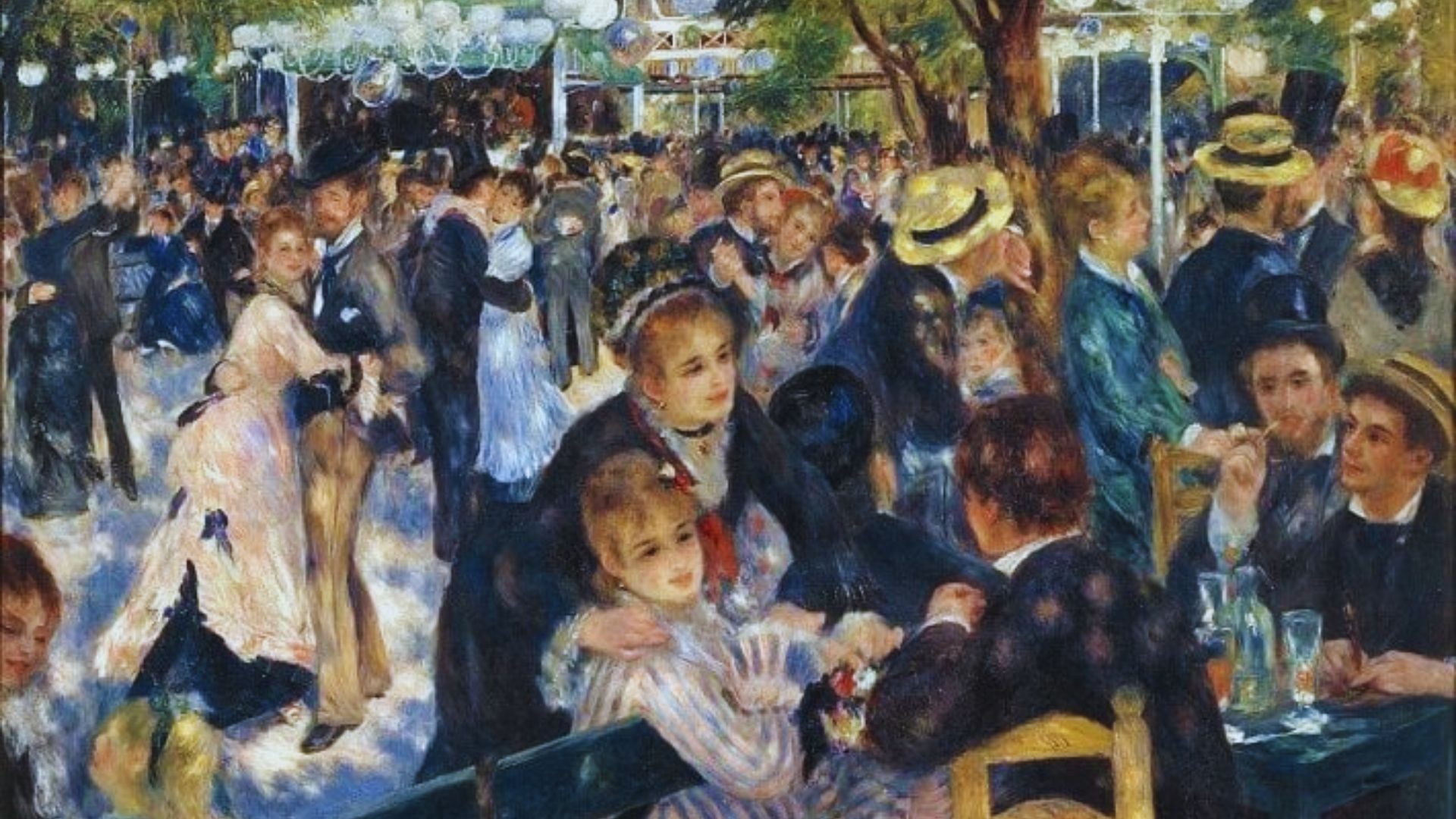
This fashion period continues to shape how history is shown and how formal dress ideas are reused today. Its visual traits still appear in many modern creative fields.
Influence on modern couture and retro-inspired collections:
Later designers reused Belle Époque ideas such as higher waistlines, layered skirts, and detailed trims.
These features appeared in runway shows and vintage-style clothing lines inspired by historic dress forms.
Appearance in films, museums, and costume exhibitions:
Period films often show this fashion to present social life from the late nineteenth century.
Museums and curated costume displays also preserve original garments, helping visitors study dress structure and fabric detail closely.
Legacy in accessories, hats, and eveningwear:
Large hats, long gloves, and formal gowns from this era still shape modern event clothing. Designers adapt these features into eveningwear collections and vintage-inspired accessories.
These lasting influences help keep the memory of this historic fashion period active in public awareness.
How to Recognize Belle Époque Fashion Today?

This historic style can be identified through a few clear dress features. Knowing these signs helps readers notice them in films, museums, or vintage collections.
Key visual cues: Bustle backs and S-bend corset lines mark the silhouette. Silk, satin, chiffon, and lace were common fabrics. Large hats, parasols, gloves, and heeled boots often completed outfits.
Tips for costume enthusiasts or vintage collectors: Check garment structure, closures, and fabric type. Hand embroidery and natural fibers can indicate older clothing. Costume galleries and fashion history books help improve recognition.
Comparison with styles: This period sits between the Victorian era and the Edwardian era. Victorian dress used heavier shaping. Edwardian styles showed lighter silhouettes.
These clear style signs help readers identify Belle Époque fashion with more confidence in modern settings.
Final Thoughts
From my study of dress history, I see how Belle Époque fashion shows social values, craft skill, and public life.
Structured silhouettes, rich fabrics, and formal accessories shaped daily appearance and class identity.
Style shifts across decades also reflect new ideas about comfort and movement. Knowing these details helps me read museum pieces and old images with better clarity.
This period still guides modern event wear and vintage collecting choices today.
Keep this guide saved for future fashion history reading. Pass it to someone who enjoys classic style knowledge!
Frequently Asked Questions
How Did Climate And Season Affect Clothing Choices?
Warm weather led to lighter fabrics and fewer layers. Cold seasons required wool capes, lined jackets, and heavier skirts for warmth.
What Hairstyles Were Popular During This Period?
Women wore pinned-up styles with added volume. Hair combs and ribbons were common. Men kept short hair with mustaches or trimmed beards.
How Did Children Dress During The Belle Époque?
Children’s clothing followed adult styles in simpler forms. Girls wore short dresses with sashes. Boys wore sailor suits or short trousers.
How Did Fashion Magazines Spread Style Ideas?
Magazines shared dress trends through fashion plates and written guides. These helped readers and dressmakers follow current styles.
Why Were Undergarments Important In Outfit Structure?
Corsets and petticoats shaped the body line. These inner layers helped outer garments keep the correct form during daily wear.