I found an old black-and-white photo once.
A woman in a black turtleneck, slim pants, and a beret, sitting in what looked like a jazz club. No flashy jewellery. No loud prints. Just pure, quiet cool.
That photo introduced me to beatnik fashion, and I have never looked at minimalist dressing the same way since.
This was never just a style. It was a statement. Born from rebellion, shaped by jazz and philosophy, and somehow still showing up in modern wardrobes today.
So how did an underground movement become one of fashion’s most lasting icons?
Let’s find out.
What Is Beatnik Fashion? (A Quick Overview)
Beatnik fashion is built on simplicity, intellectualism, and quiet rebellion. Black turtlenecks, slim trousers, berets, minimal accessories. Nothing loud or unnecessary.
The look came from writers and artists in the 1950s who rejected mainstream American culture. Their clothes reflected that. Clean lines, dark tones, zero interest in trends.
Women’s beatnik fashion followed the same rules. Fitted silhouettes, natural makeup, and understated confidence over anything decorative.
The Origins of Beatnik Fashion in the 1950s
Postwar America in the 1950s was built on conformity. Suburbs, suits, and fitting in. The Beat Generation rejected all of it, and their wardrobe made that obvious.
The Beat Generation and Cultural Rebellion
The Beat Generation was a literary movement that rejected conventional society. Writers like Kerouac and Ginsberg valued freedom, raw experience, and nonconformity.
That rejection showed up in how they dressed. Jazz clubs, coffee houses, and underground poetry readings were their spaces, and the look that came out of those spaces was simple, dark, and deliberate.
Fashion became part of the message. Plain, unpretentious clothing was a direct contrast to polished 1950s mainstream style.
Key Influences Behind 1950s Beatnik Fashion
Parisian bohemian culture had a strong influence. Existentialist philosophy, café culture, and the writings of Sartre fed into the aesthetic that American beatniks made their own.
Jazz culture added another layer. The underground club scene in New York and San Francisco brought musicians, poets, and artists together. The look that came out of it was cool, minimal, and quietly confident.
Both threads combined into something that felt both intellectual and instinctive.
Signature Looks of Early Beatnik Style
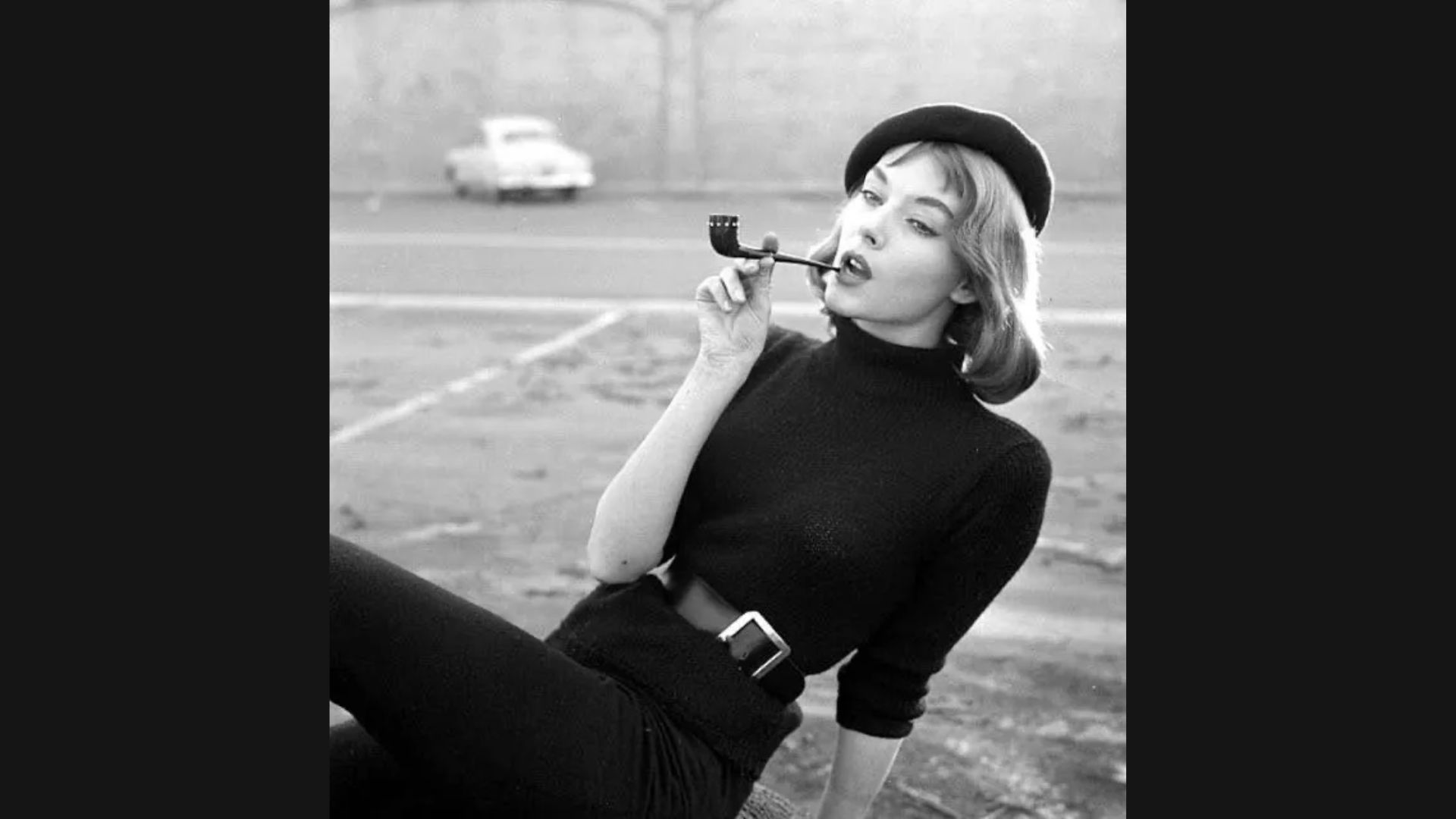
The early beatnik wardrobe came down to a few pieces. Black turtleneck, slim trousers, beret, and loafers. Simple and consistent.
Grooming was equally understated. Natural, low-maintenance, unpretentious. The whole look gave the impression of someone with better things to think about than their outfit.
That studied nonchalance made it incredibly striking.
How Beatnik Fashion Evolved in the 1960s
By the 1960s, beatnik fashion had outgrown its underground roots. What started in jazz clubs was catching a much wider audience.
Transition from Niche to Mainstream
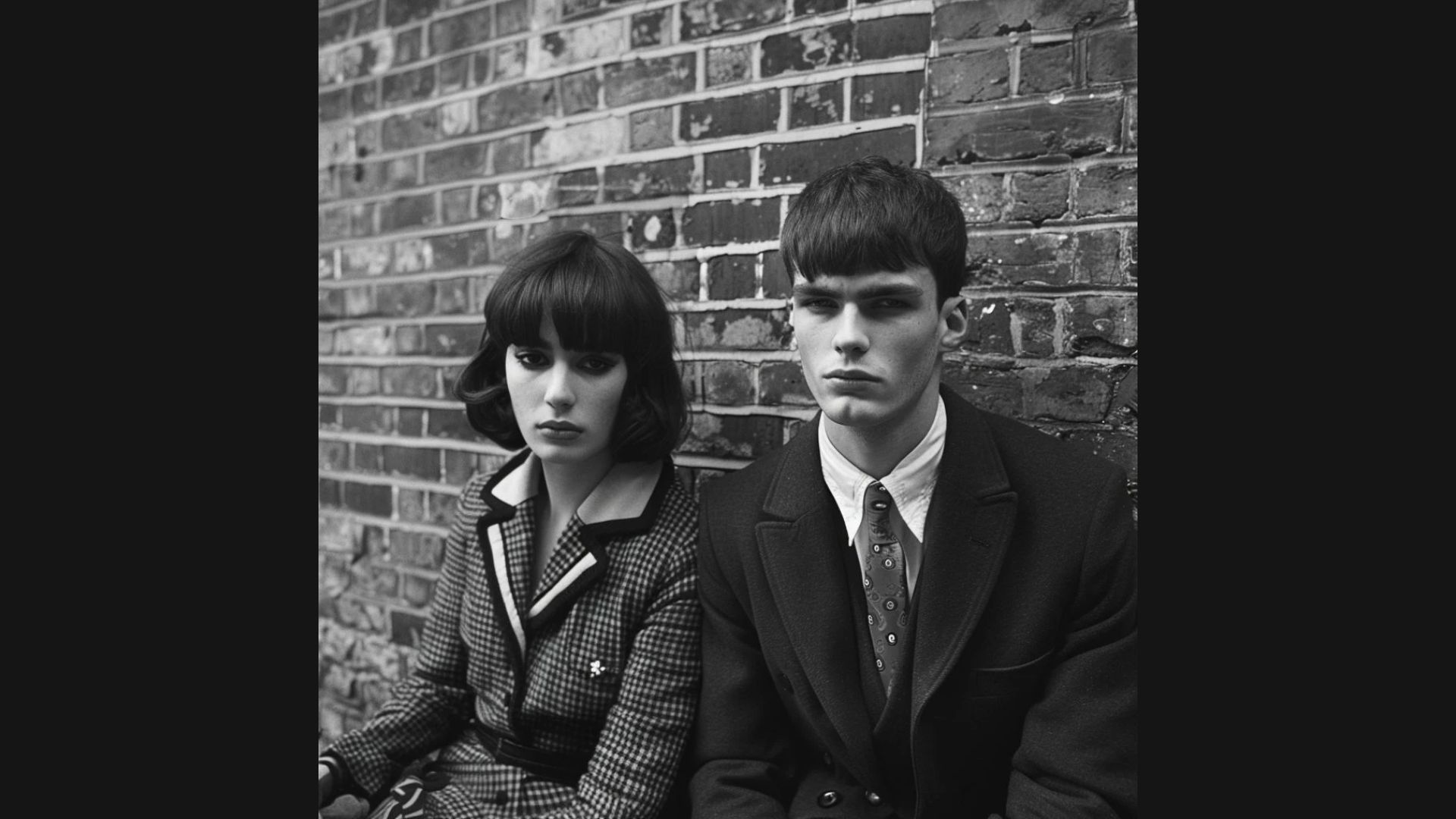
Films, fashion magazines, and television started featuring the beatnik look. 60s beatnik fashion showed up on Hollywood screens and in Vogue editorials. Celebrities and models adopted the slim black silhouettes.
The look lost some edge in the process. But it gained reach. And that reach made it permanent in fashion history.
Influence on Youth and Counterculture Movements
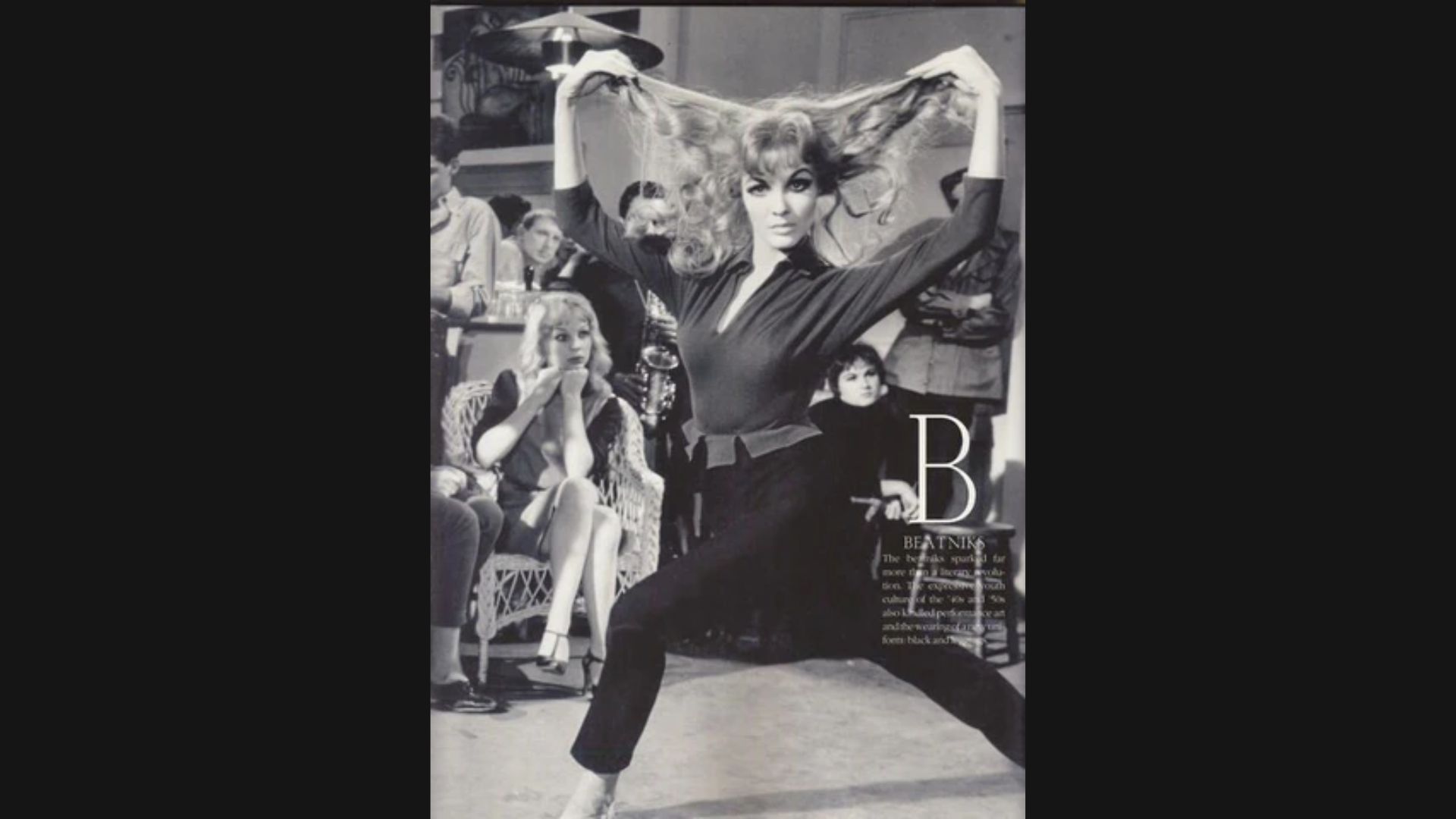
As beatnik culture spread, it began blending with the early hippie movement. Both rejected mainstream values, but beatnik fashion stayed minimal while hippie style went colourful and loose.
The overlap lived in the attitude. Students and young artists carried the beatnik spirit into the broader counterculture of the mid-1960s. It planted a seed that the styles following it grew from.
Key Elements of Beatnik Fashion Style
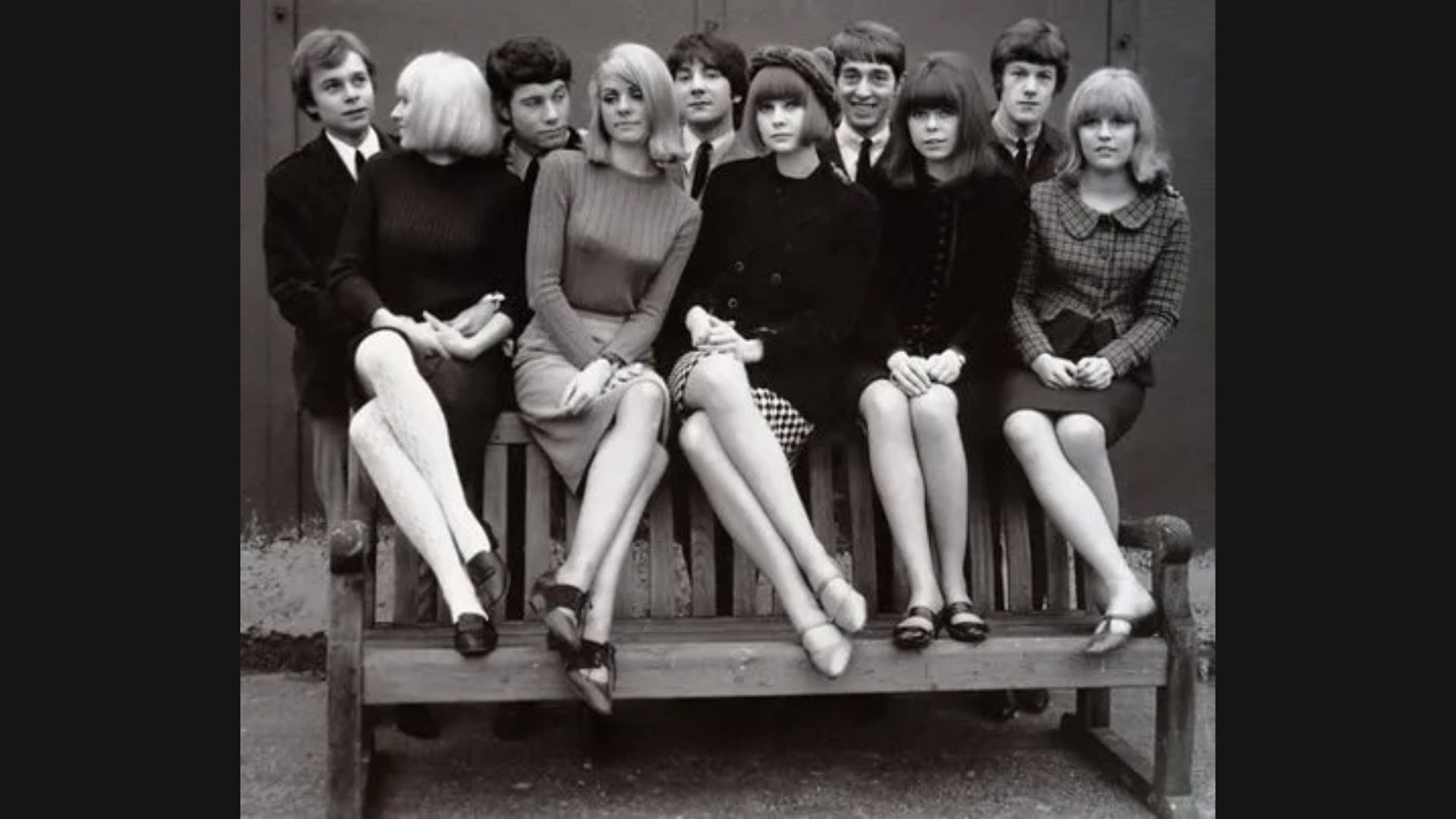
The power of beatnik fashion is how few pieces it actually needs. A small wardrobe built around dark tones and clean cuts.
For Men
Beatnik dressing for men is about looking like you have more important things on your mind than fashion. Dark, clean, and effortlessly put together.
- Black or dark turtleneck
- Slim trousers in black or dark grey
- Beret
- Loafers or simple flat shoes
- Minimal jewellery
For Women
Women’s beatnik style leans into quiet confidence over anything decorative. The fewer pieces you wear, the stronger the statement.
- Slim black trousers or skirts
- Fitted turtlenecks or simple tops
- Ballet flats or loafers
- Bold cat-eye liner as the single makeup statement
- Clean, unfussy hair
Every piece earns its place. Nothing decorative, nothing excessive. The restraint is the point.
Women’s Beatnik Fashion: Effortless and Intellectual
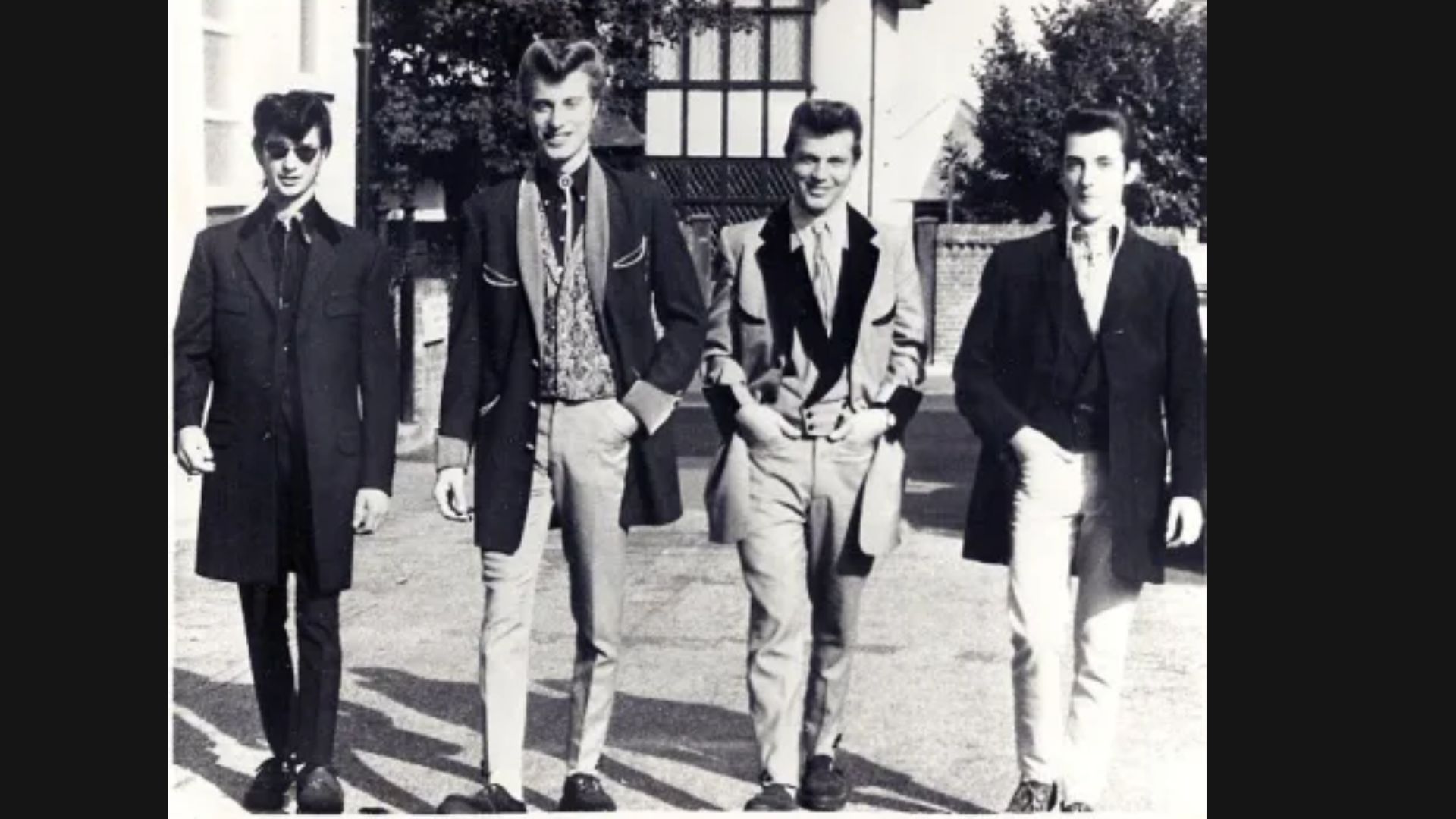
Women’s beatnik fashion was sharp, considered, and completely self-assured. Strong silhouettes, dark tones, and a clear sense of personal style with no decoration for decoration’s sake.
Wardrobe Key Items for Women
Start with the right shapes and the right colours. Everything else follows.
- Slim black trousers: The most important piece in the wardrobe
- Fitted turtlenecks: Work across every season
- Simple shift dresses: Clean lines, dark tones, no embellishment
- Ballet flats or loafers: Flat, practical, on point
- A beret: Optional but instantly recognisable
- Minimal accessories: A watch, small earrings, nothing more
The emphasis is always on clean silhouettes. Nothing should distract from the overall line.
Hair, Makeup, and Attitude
Makeup was stripped back with one exception. A bold, defined cat eye against an otherwise bare face. The contrast against the dark wardrobe was striking.
Hair stayed simple. Short bangs, sleek cuts, or neatly pulled back. Nothing high-maintenance.
But the real defining element was attitude. Confidence, independence, and zero interest in seeking approval. That is what made the look work.
Why Beatnik Fashion Became Mainstream
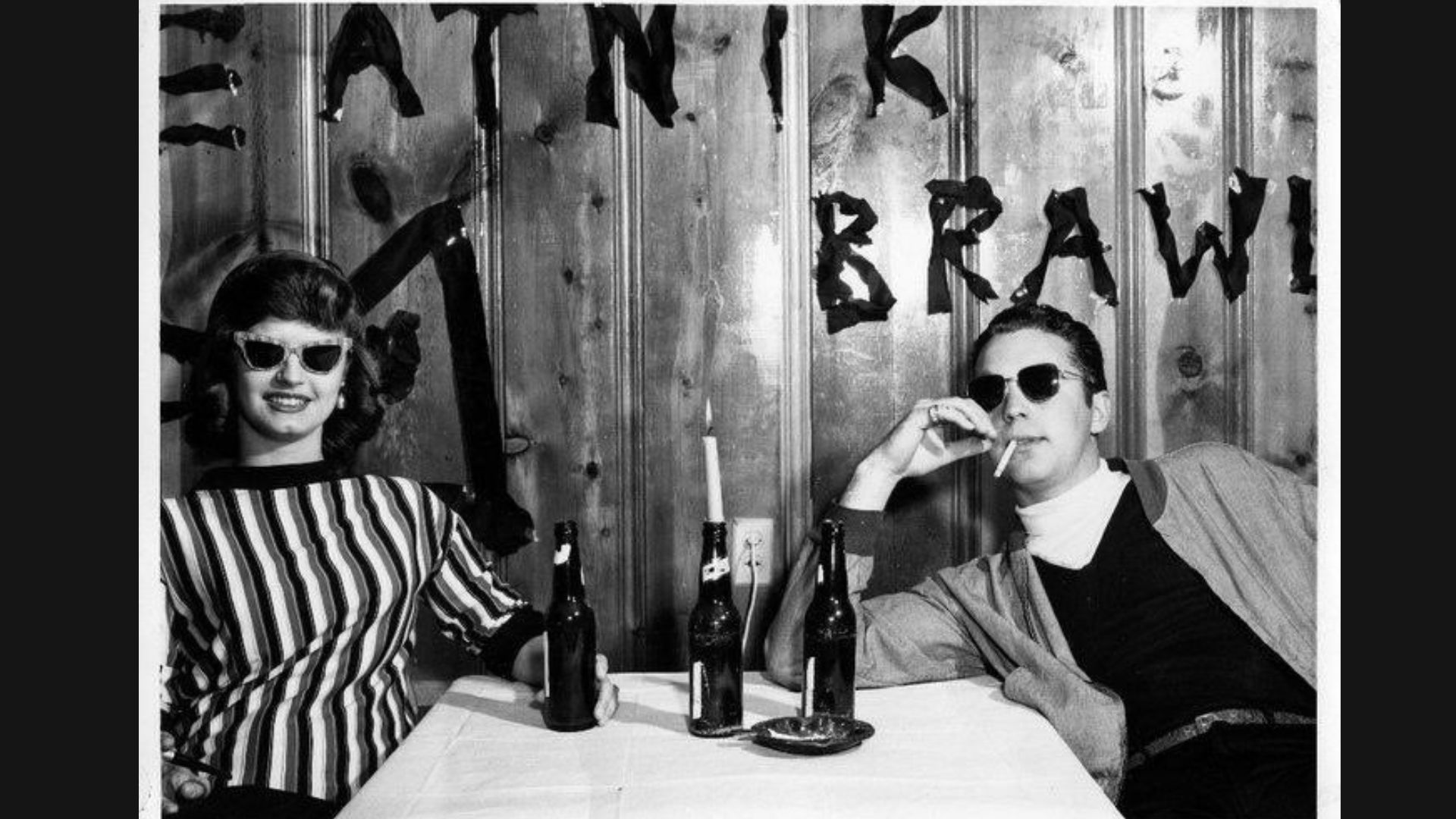
A style built on rejecting mainstream culture eventually becoming mainstream sounds contradictory. But the way it happened makes sense.
Media and Hollywood Influence
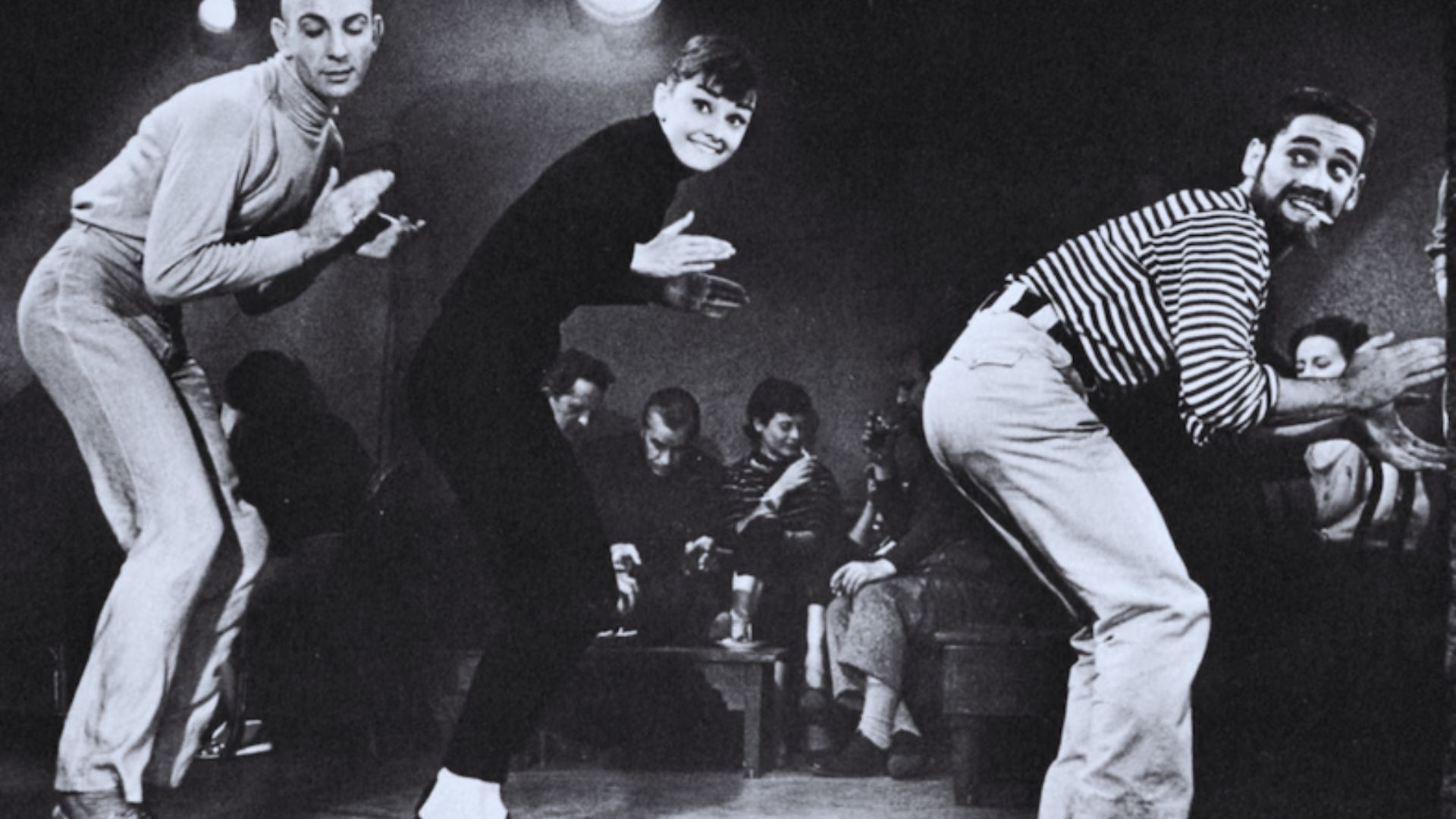
Hollywood made the beatnik look aspirational. Films like Funny Face brought the black turtleneck and slim trouser combination to mass audiences. The cool, intellectual image translated well on screen.
Fashion publications picked it up from there. Once it appeared in magazines, it moved from subculture to style reference fast.
Appeal of Minimalism and Rebellion
Beatnik fashion was easy to wear. A black turtleneck and slim trousers need no particular budget or body type. The look is accessible.
At the same time, it carried a rebellious undertone that appealed to anyone feeling disconnected from mainstream culture. Practicality and meaning in one wardrobe. That combination is rare.
Cultural Shift Toward Individual Expression
The 1950s and 1960s saw a growing push toward personal identity among young people. Beatnik fashion gave that push a visual language.
Simple, deliberately non-conformist clothes signalled a way of thinking without having to say anything out loud. That idea travelled far beyond the original beat community.
Beatnik Fashion vs. Other 20th Century Styles
Beatnik fashion had a very specific identity. Here is how it stacked up against other major styles of the same era.
| Style | Era | Key Look | Attitude | Colours |
|---|---|---|---|---|
|
Beatnik |
1950s–60s |
Turtleneck, slim pants, beret |
Intellectual, rebellious |
Black, dark tones |
|
Hippie |
1960s–70s |
Flowy dresses, bell bottoms |
Free-spirited, communal |
Earth tones, bright patterns |
|
Mod |
1960s |
Mini skirts, geometric prints |
Youthful, pop-inspired |
Bold, graphic |
|
Preppy |
1950s–60s |
Polo shirts, blazers, loafers |
Conservative, traditional |
Pastels, navy |
|
Rockabilly |
1950s |
Leather jackets, poodle skirts |
Rebellious, retro |
Red, black, white |
Beatnik fashion said more by doing less. That is what separated it from everything else on this list.
Cultural Significance of Beatnik Fashion
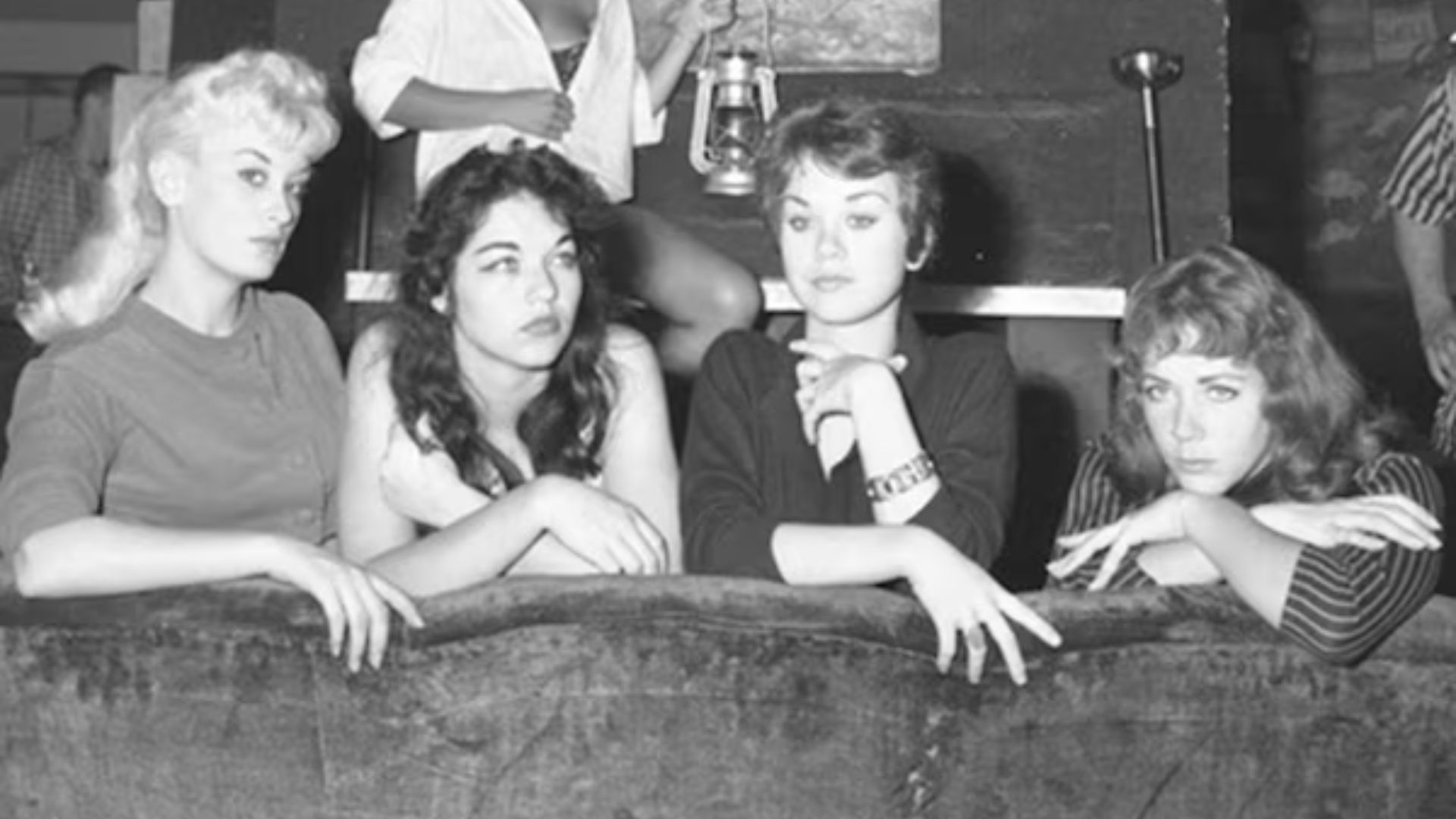
Beatnik fashion was never just a trend. It was a marker of identity, ideology, and a deliberate choice to stand apart.
That depth is what separates it from most other style movements of the 20th century.
- It linked clothing to ideas: Wearing beatnik style aligned you with values like freedom, creativity, and nonconformity
- It gave fashion a philosophical backbone: The connection to existentialism and Beat literature meant the look carried real intellectual weight
- It influenced modern minimalism: Capsule wardrobes, all-black outfits, and quiet luxury aesthetics all carry traces of beatnik thinking
- It expanded who fashion spoke to: It opened space for personal expression over conformity
- It proved restraint is powerful: In a decade defined by decoration, doing less made just as strong a statement
The legacy lives in every black turtleneck, every deliberate wardrobe, and every outfit built around meaning rather than trend.
Conclusion
Here is what beatnik fashion taught me. The most confident dressing is often the quietest.
No excess. No trend-chasing. Just a clear point of view and the conviction to wear it.
That idea feels more relevant now than ever. In a world of constant noise, choosing simplicity is its own kind of rebellion.
So tell me, are you already living the beatnik aesthetic without realising it? Or are you thinking about building a wardrobe around it now?
Drop your thoughts in the comments below and share this with someone who needs a style reset.
Frequenltly Asked Questions
What Is Beatnik Fashion Known For?
Beatnik fashion is known for minimalist black clothing, intellectual roots, and a strong connection to art and literary culture. It favoured clean silhouettes and quiet confidence over decoration.
When Did Beatnik Fashion Become Popular?
It originated in the 1950s among the Beat Generation and gained mainstream attention through media and Hollywood in the 1960s. By the mid-60s, the look had moved well beyond its underground origins.
What Do Women Wear in Beatnik Fashion?
Women’s beatnik fashion centres on slim black trousers, fitted turtlenecks, simple dresses, and ballet flats. Bold eyeliner and minimal accessories complete the look.
Is Beatnik Fashion Still Relevant Today?
Yes, its influence is clearly visible in modern minimalist dressing and capsule wardrobe culture. The core ideas of simplicity and intentionality are very much alive in fashion today.
What Is the Difference Between Beatnik and Hippie Fashion?
Beatnik fashion is minimal, monochrome, and intellectually driven, while hippie style leans toward colour, pattern, and a free-spirited energy. Both rejected mainstream culture but expressed it in completely different ways.