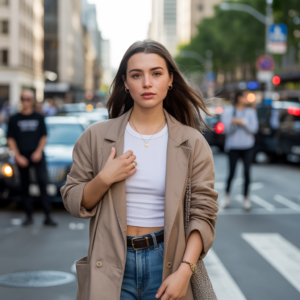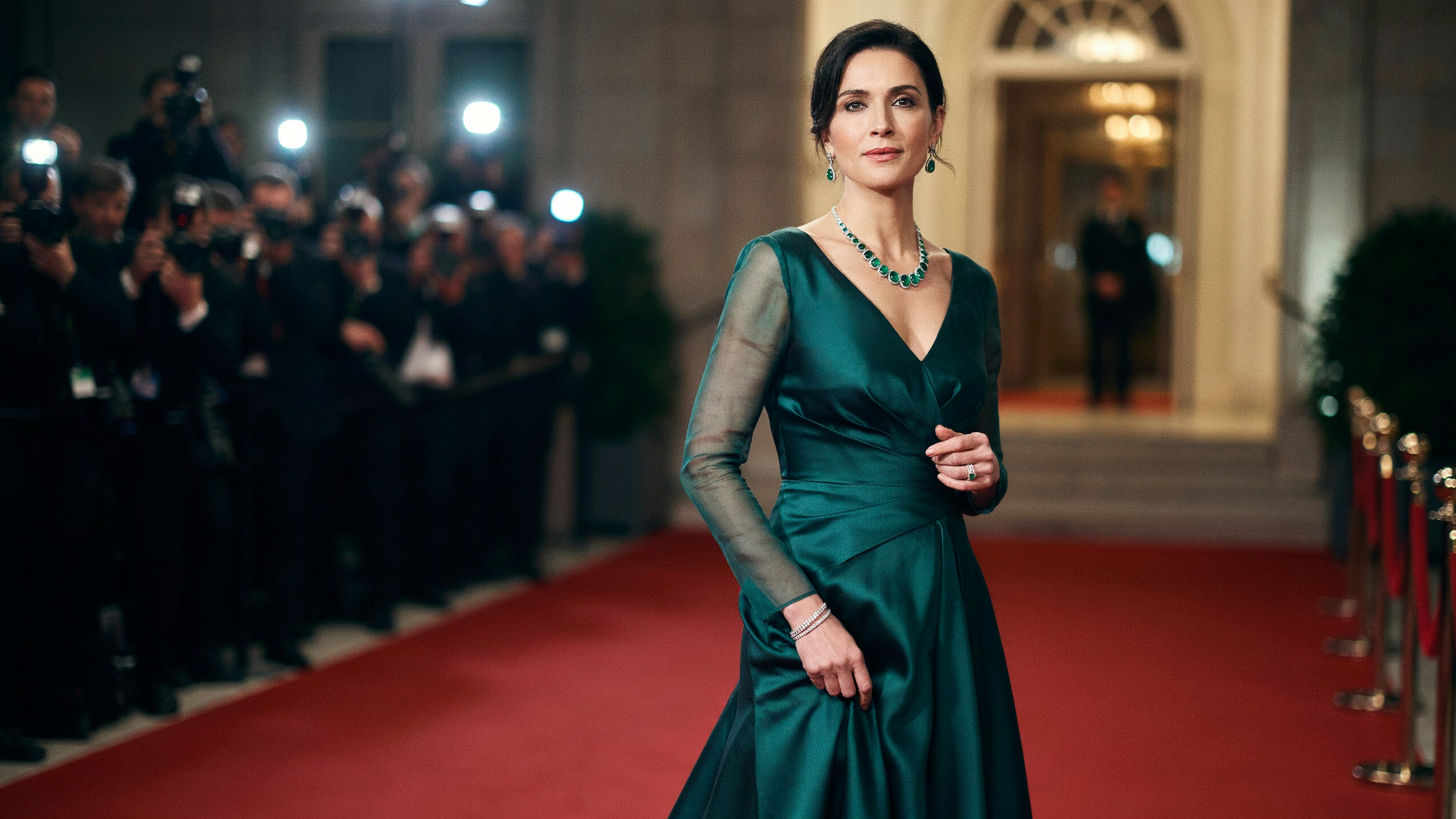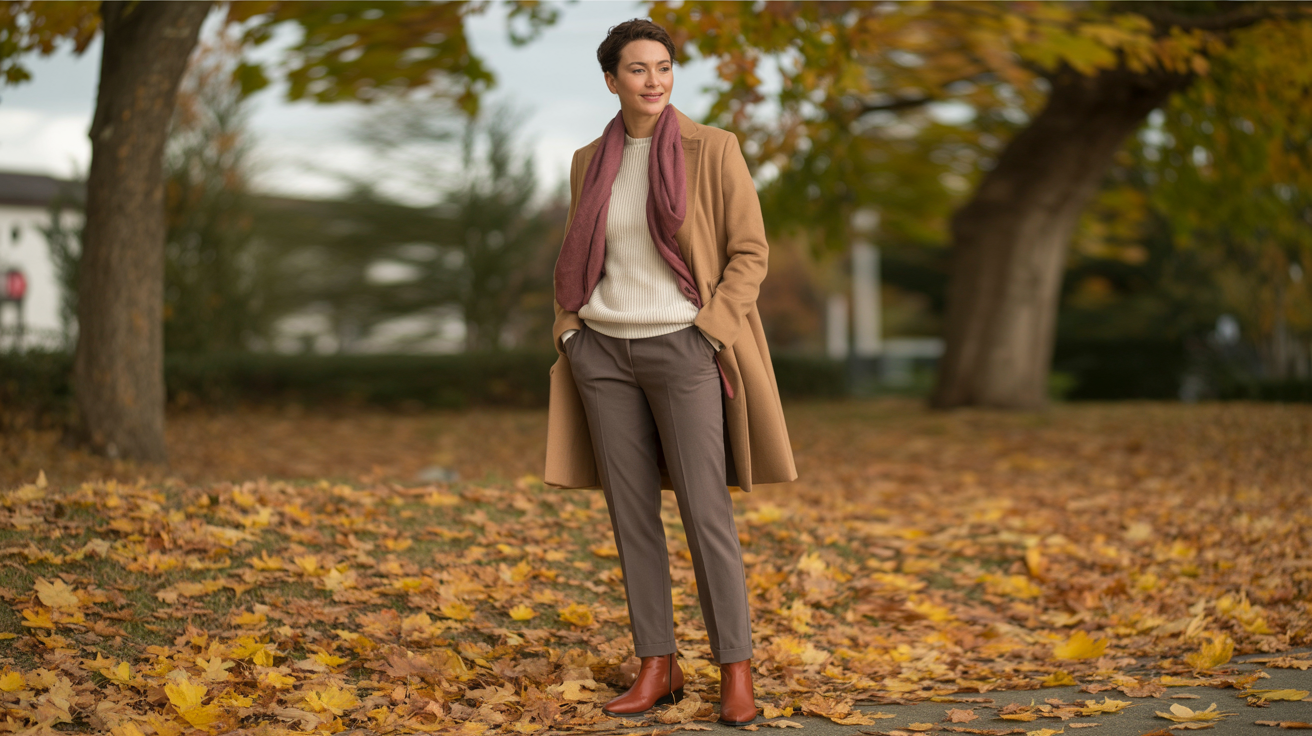
A favorite outfit does not have to disappear when the weather changes. One of the easiest ways to keep wearing the clothes you already love is to rethink the accessories around them. A simple dress can feel completely different with a lightweight scarf and sandals in summer, then take on a more autumn-ready look with boots, a belt, and a structured jacket.
Accessories are particularly useful for transitional dressing because they can change the character of an outfit without requiring a completely new wardrobe. Recent designer fashion collections have continued to highlight scarves, sunglasses, belts, brooches, and other smaller details as ways to give familiar clothes a fresh direction.
Here are some easy ways to make your favorite outfits work throughout the year.
Start With Clothes That Already Work
Before adding anything, look at the pieces you wear repeatedly. A white button-down, straight-leg jeans, midi skirt, slip dress, tailored trousers, or simple knit can become the foundation for outfits in several seasons.
The key is to avoid treating an item as belonging exclusively to one time of year. Instead, consider what changes around it.
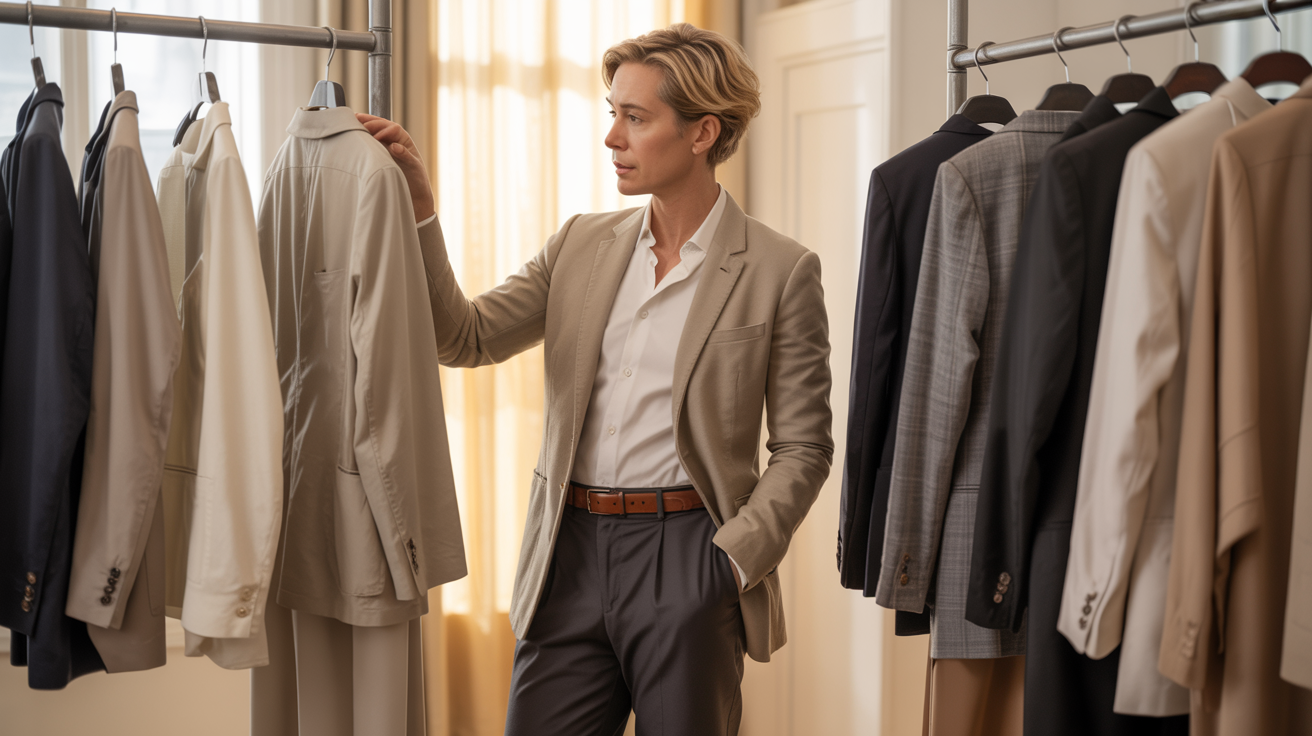
For example, a lightweight dress can work on its own during warmer weather. As the weather cools, layer a cardigan or oversized blazer, switch your shoes for ankle boots, and add a scarf. The dress is the same, but the accessories change the total look.
This approach also makes it easier to build a wardrobe around versatile pieces rather than constantly replacing clothes when a new season arrives.
Use Layers to Adjust the Look
One of the most practical ways to make an outfit last is to layer.It can add some warmth when it needs it, but more visual interest too.
A basic T-shirt and jeans combination, for example, can be styled with a linen shirt during spring, a lightweight jacket in autumn, or a wool coat during winter. Even something as simple as tying a shirt around the waist can change the proportions of an otherwise familiar outfit.
The same principle works with dresses and skirts. A fitted turtleneck underneath a sleeveless dress creates a completely different look from wearing the dress alone. During warmer months, the same dress could instead be paired with a lightweight cardigan or worn over a simple tank.
The trick is to layer intentionally rather than simply adding more pieces. Mixing different textures, lengths, and proportions can make an outfit feel considered instead of bulky.
Let Eyewear Change the Mood
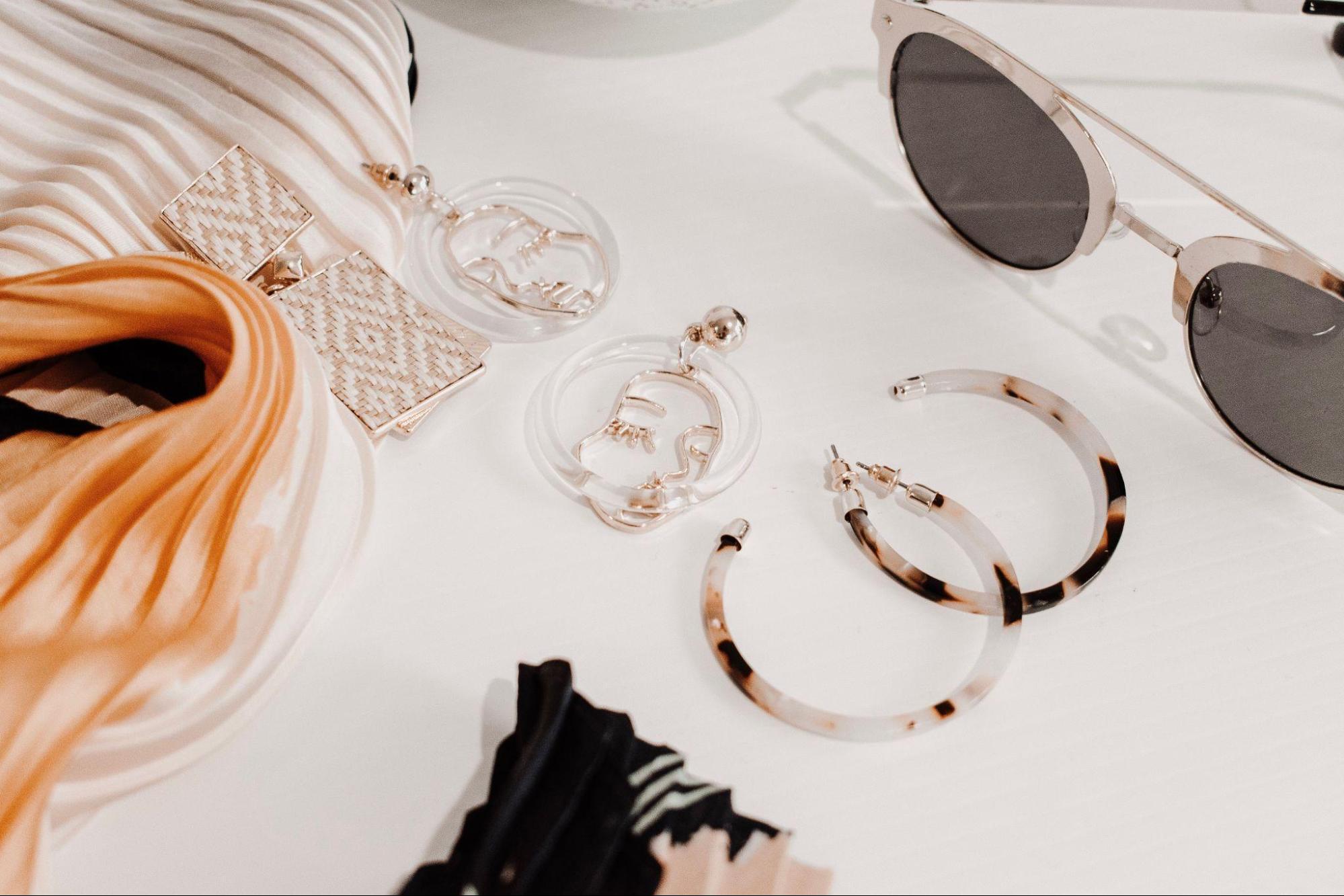
Sunglasses are another accessory that can help carry an outfit from one season to another. While they are obviously practical on bright days, their shape can also influence the overall feel of a look.
A classic outfit of jeans, a simple top, and a blazer can look polished with understated frames, while a more distinctive shape can give the same combination a retro or fashion-forward edge. Cat-eye frames, in particular, can bring a vintage-inspired detail to otherwise modern clothing.
If you want to experiment with that shape, cat-eye sunglasses can work with everything from lightweight summer dresses to structured coats and knitwear. The important part is to treat eyewear as part of the outfit rather than something added at the very end.
This also makes sunglasses useful during transitional months. They can remain part of a look even when the rest of the outfit shifts toward layers, boots, or heavier fabrics.
Change the Texture Before Changing the Outfit
Texture can make the same clothing feel appropriate for a different season.
In spring and summer, lightweight materials such as linen, cotton, canvas, and woven fabrics naturally create a relaxed appearance. When autumn arrives, adding leather, suede, wool, or chunky knit accessories can give those same clothes a warmer visual quality.
Try adding a textured handbag to a simple outfit or swapping a lightweight belt for a wider leather style. Even changing the material of a scarf can make a familiar combination feel completely different.
This is particularly useful if you prefer a smaller wardrobe. Rather than buying an entirely new set of clothes every few months, a handful of accessories can provide the seasonal variation.
Make Scarves Work Beyond Winter
A scarf does not have to be reserved for cold weather. Lightweight scarves can be styled in several ways throughout the year.
In spring, try wearing one loosely around the neck with a blouse or jacket. During summer, a small scarf can be tied around a handbag or worn as a head accessory. In autumn and winter, larger scarves can become both functional and decorative layers.
Changing how you wear the same accessory can also keep it from feeling repetitive. A scarf tied differently can alter the neckline, proportions, and focal point of an outfit without changing the main clothing pieces.
Use Bags and Shoes to Shift the Season
Shoes and handbags can dramatically change the direction of an outfit.
A flowing midi dress with sandals has a completely different character than the same dress with ankle boots and a structured shoulder bag. A pair of jeans and a knit top can be casual with canvas sneakers but dressier with loafers and a leather handbag.
Think about the visual language of the accessories you choose. Raffia, canvas, and lighter colors tend to create a warmer-weather feeling, while leather, suede, darker tones, and heavier textures can make an outfit feel more suited to cooler months.
You do not necessarily need different clothes for every season. Sometimes changing the shoes and bag is enough.
Add One Unexpected Detail
Not every accessory needs to match perfectly. One unexpected element can make a familiar outfit feel more personal.
A traditional blazer could be paired with a colorful scarf. A simple dress could be styled with a statement belt. A minimal outfit can be given personality with distinctive sunglasses, jewelry or a patterned handbag.
Current styling trends continue to emphasize this idea of using small details to personalize familiar clothing. Accessories can introduce contrast through color, texture, shape, or even a subtle vintage reference.
The goal is not to add as many accessories as possible. A well-curated one or two extras can often be more striking than a detail-packed outfit.
Build a Small Seasonal Accessory Rotation
If you want to make your wardrobe more versatile, create a small collection of accessories that can rotate throughout the year.
For warmer months, this might include:
- Lightweight scarves
- Sunglasses
- Woven or canvas bags
- Simple sandals
- Colorful jewelry
For cooler months, you could introduce:
- Wool or knitted scarves
- Leather bags
- Ankle or knee-high boots
- Belts with more structure
- Hats and gloves
The exact pieces will depend on your personal style, but the principle remains the same: keep the core wardrobe relatively consistent and use accessories to adjust the mood.
Style What You Already Own
Making an outfit work in every season does not necessarily require more clothes. Often, it simply requires looking at familiar pieces differently.
A favorite dress can become part of a layered autumn outfit. Jeans can move from casual summer looks to winter combinations with boots and heavier knitwear. A blazer can work over a T-shirt in spring and underneath a coat when temperatures drop.
Accessories provide the flexibility that makes these changes possible. By switching textures, colors, layers, footwear, bags, scarves, and eyewear, you can give the same favorite pieces a new context throughout the year.
The result is a wardrobe that feels less dependent on the calendar and more reflective of your personal style.