Fashion trends change every season, yet certain pieces never lose their appeal. While fast fashion offers instant gratification, designer clothing continues to attract people who value craftsmanship, longevity, and personal style. Buying fewer, better-made garments often creates a wardrobe that feels more intentional and remains relevant year after year. Designer fashion is not about chasing labels for the sake of status. It is about choosing clothing that fits well, lasts longer, and reflects individual taste with confidence.
Quality Always Outlasts Passing Trends
The conversation around designer clothes often focuses on logos, but the real value begins behind the scenes. Luxury fashion houses typically invest more time into fabric selection, garment construction, pattern making, and finishing techniques. Those details may not be obvious from across the room, yet they become clear after months or even years of wear.
A well-made blazer maintains its structure. Premium denim keeps its shape after repeated washes. Leather handbags and shoes often develop character instead of simply wearing out. These qualities reduce the need for constant replacements, making higher-quality purchases surprisingly practical over time.
Building a wardrobe around durable staples also simplifies getting dressed. Instead of replacing inexpensive items every season, shoppers can rely on pieces that continue looking polished regardless of changing trends. That consistency creates a closet with fewer regrets and more favorites.
Luxury Style Creates More Versatile Wardrobes
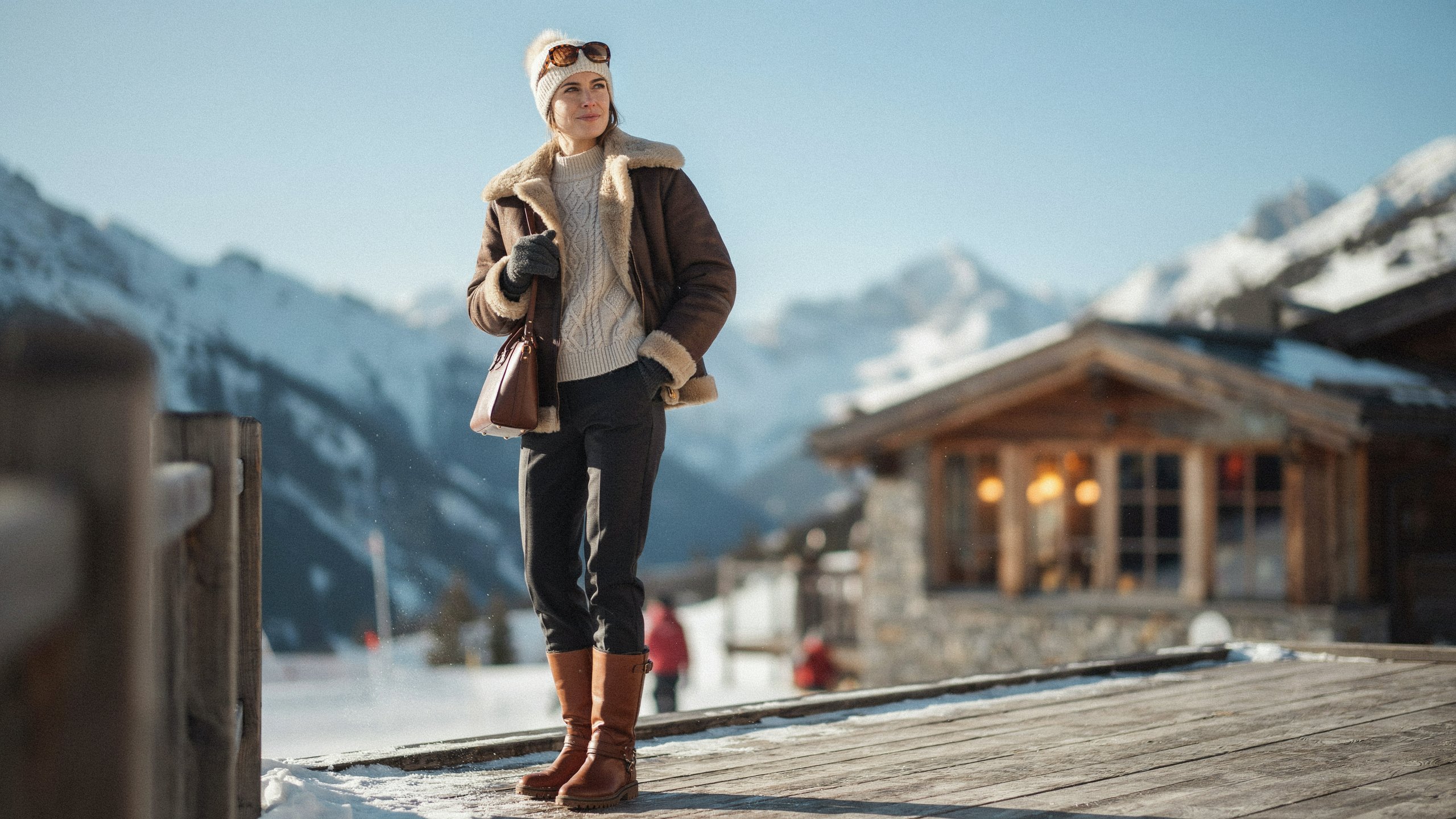
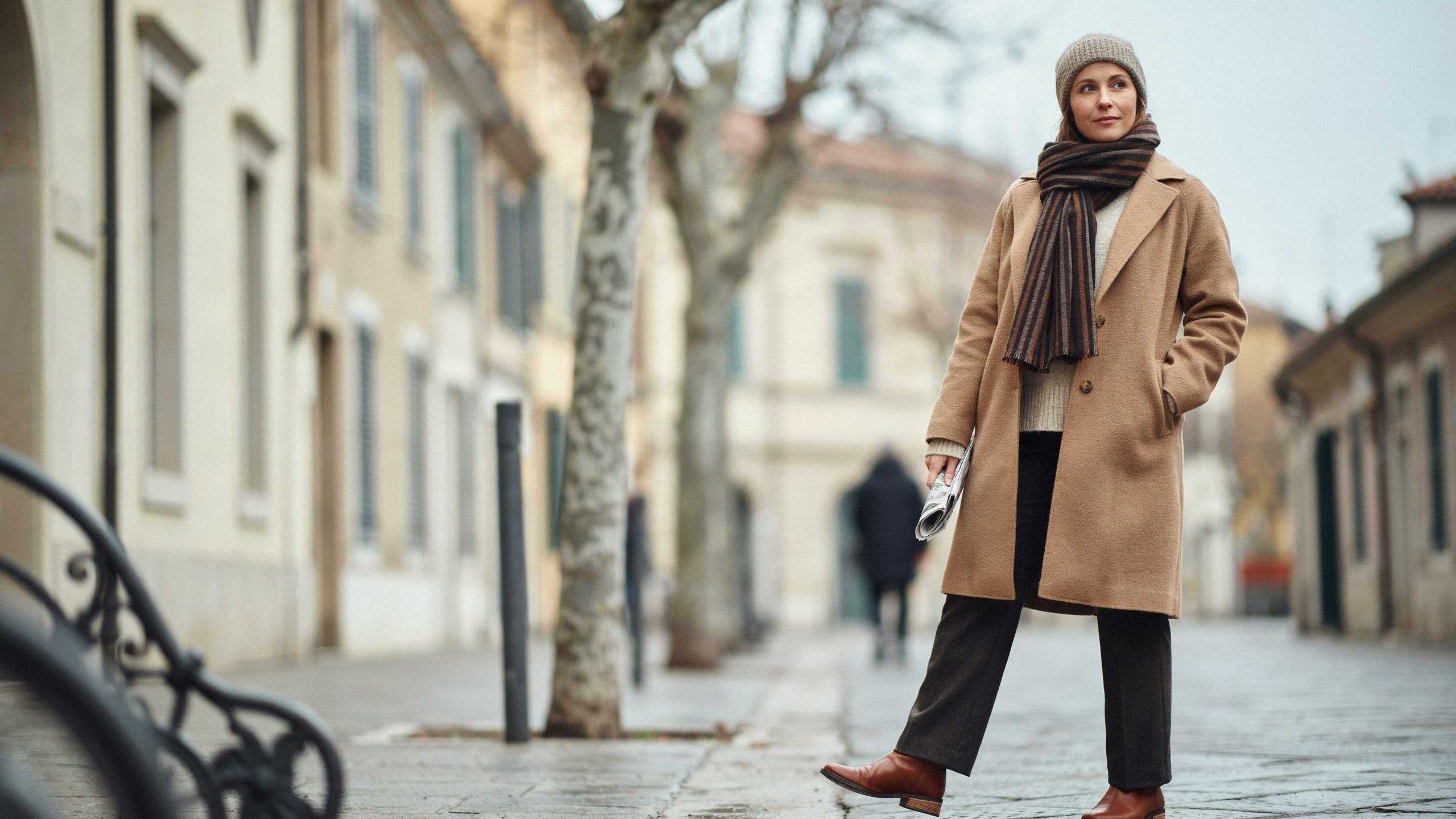
Many people assume designer fashion only belongs at exclusive events, but that idea has changed considerably. Modern luxury wardrobes often revolve around versatile essentials that work in professional settings, social gatherings, travel, and everyday life. A beautifully tailored coat, crisp white shirt, premium knit sweater, or structured handbag can elevate dozens of different outfits without feeling flashy.
Designers increasingly focus on timeless silhouettes instead of novelty alone. Neutral color palettes, refined tailoring, and quality materials make these garments surprisingly adaptable. A single investment piece can pair with denim one day and tailored trousers the next.
This flexibility also encourages more thoughtful shopping habits. Instead of filling closets with impulse purchases, consumers often look for items that coordinate with clothing they already own. The result is a wardrobe where nearly everything works together, reducing waste while increasing outfit possibilities.
Style Is Personal, and It Starts With Dressing Confidently
Looking polished is rarely about wearing the most expensive outfit in the room. It begins with dressing confidently, wearing clothing that fits properly and feels authentic to your personality. Designer brands often devote significant attention to tailoring, proportion, and silhouette, making it easier for wearers to feel comfortable in their clothes rather than distracted by poor construction or awkward fits.
Confidence also grows from consistency. When every piece in a wardrobe reflects your preferences instead of temporary trends, getting dressed becomes easier and more enjoyable. Rather than wondering whether an outfit feels current enough, people can focus on whether it represents them well.
Fashion should support daily life, not complicate it. Selecting quality garments that align with personal taste creates a dependable foundation that works across changing seasons, careers, and lifestyles. That reliability is one reason luxury fashion continues to hold its place despite shifting consumer habits.
Designer Pieces Often Deliver Better Long-Term Value
Price tags naturally receive attention, but value tells a different story. A garment worn hundreds of times often becomes less expensive per wear than several lower-cost alternatives that quickly lose their appearance. Cost per wear has become an increasingly popular way to evaluate clothing purchases because it emphasizes longevity instead of the initial purchase price.
Luxury brands also tend to maintain stronger resale value than mass-produced clothing. Certain handbags, watches, outerwear, and limited collections remain desirable for years, allowing owners to recover part of their investment if they decide to sell. While not every designer item appreciates in value, quality construction and enduring demand often support stronger resale markets.
Consumers are also becoming more interested in repairing cherished garments rather than replacing them. Shoes can be resoled, coats relined, and handbags professionally restored. Extending the life of clothing makes financial and environmental sense while preserving favorite pieces.
Fashion Trends Will Continue, but Great Design Endures
Every year introduces fresh colors, silhouettes, and seasonal influences, yet exceptional design rarely feels outdated. Many garments introduced decades ago continue inspiring modern collections because clean tailoring, thoughtful proportions, and premium craftsmanship never truly disappear from fashion.
Choosing designer fashion does not require replacing an entire wardrobe overnight. Many people gradually invest in one meaningful piece at a time, allowing each purchase to earn its place through frequent wear and lasting quality. That measured approach often leads to smarter decisions and fewer unnecessary purchases.
Designer fashion remains relevant because it offers more than a recognizable label. It delivers craftsmanship, versatility, longevity, and personal confidence in equal measure. Those qualities continue to matter regardless of what happens to next season’s trends.