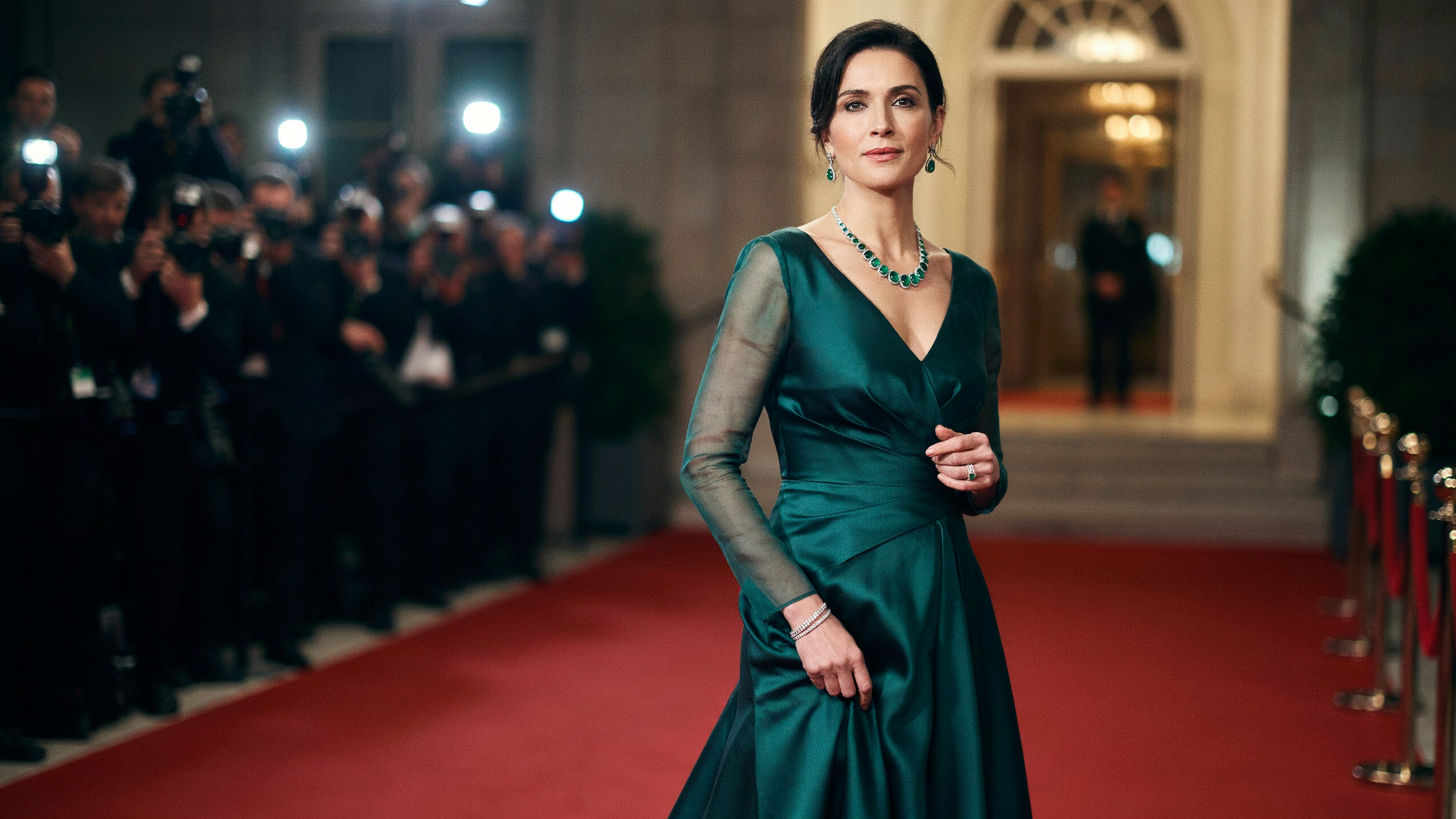
Athlete style used to appear in a limited number of places: magazine shoots, sneaker ads, championship parades and red carpets. Now it starts much earlier. The camera catches players walking into arenas, stylists post detail shots, fan accounts break down the outfit, and by tipoff the look may already be circulating as a reference point for thousands of people.
That shift has changed how American fans understand sports culture. A player’s pregame jacket, vintage tee, handbag, boot choice or tailored suit can become part of their public identity in the same way a signature move or celebration once did. The wider sports internet also includes ticketing apps, fantasy platforms and betting sites, where a crown coins casino promo code can offer extra value for fans who enjoy placing an occasional wager alongside the action.
This is not only about luxury labels. It is about confidence, access, self-presentation and the way fans borrow pieces of athlete identity for their own wardrobes.
Why the tunnel became a fashion stage
The pregame tunnel works because it is short, repeatable and easy to photograph. It gives players a narrow runway between private preparation and public performance. Unlike a formal red carpet, it still feels close to work: the athlete is entering the building to compete.
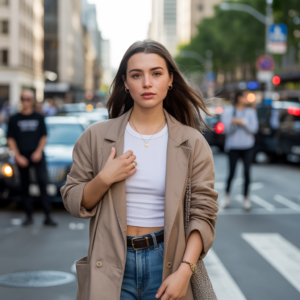
That tension makes the image powerful. A player may arrive in oversized denim, sharp tailoring, archival streetwear, western boots, a cropped jacket or a quiet monochrome look. The outfit is not the game, but it frames the mood before the game.
In the NBA, tunnel style has been developing for years as players turned arrival photos into part of their personal brand. In the WNBA, the recent rise of tunnel-focused coverage has made pregame looks a major part of player storytelling. The result is a visual economy where one image can travel faster than a box score.
|
Style space |
What fans see |
Why it shapes identity |
|
NBA tunnel arrivals |
Tailoring, streetwear, designer collaborations and personal styling |
Makes players visible as cultural tastemakers, not only athletes |
|
WNBA tunnel coverage |
Trend-led outfits, stylists, accessories and individual expression |
Expands attention around players beyond game highlights |
|
Courtside cameras |
Celebrities, former players, musicians and luxury details |
Links sport with entertainment and fashion status |
|
Sneaker culture |
Signature shoes, rare releases and resale-driven attention |
Gives fans a wearable connection to athletic performance |
|
Social feeds |
Outfit breakdowns, comments, memes and reposts |
Turns style into a participatory fan conversation |
The fan no longer copies the uniform only
For a long time, the clearest way to dress like a sports fan was to wear the jersey. That still matters, especially on game day. But athlete style has widened the menu.
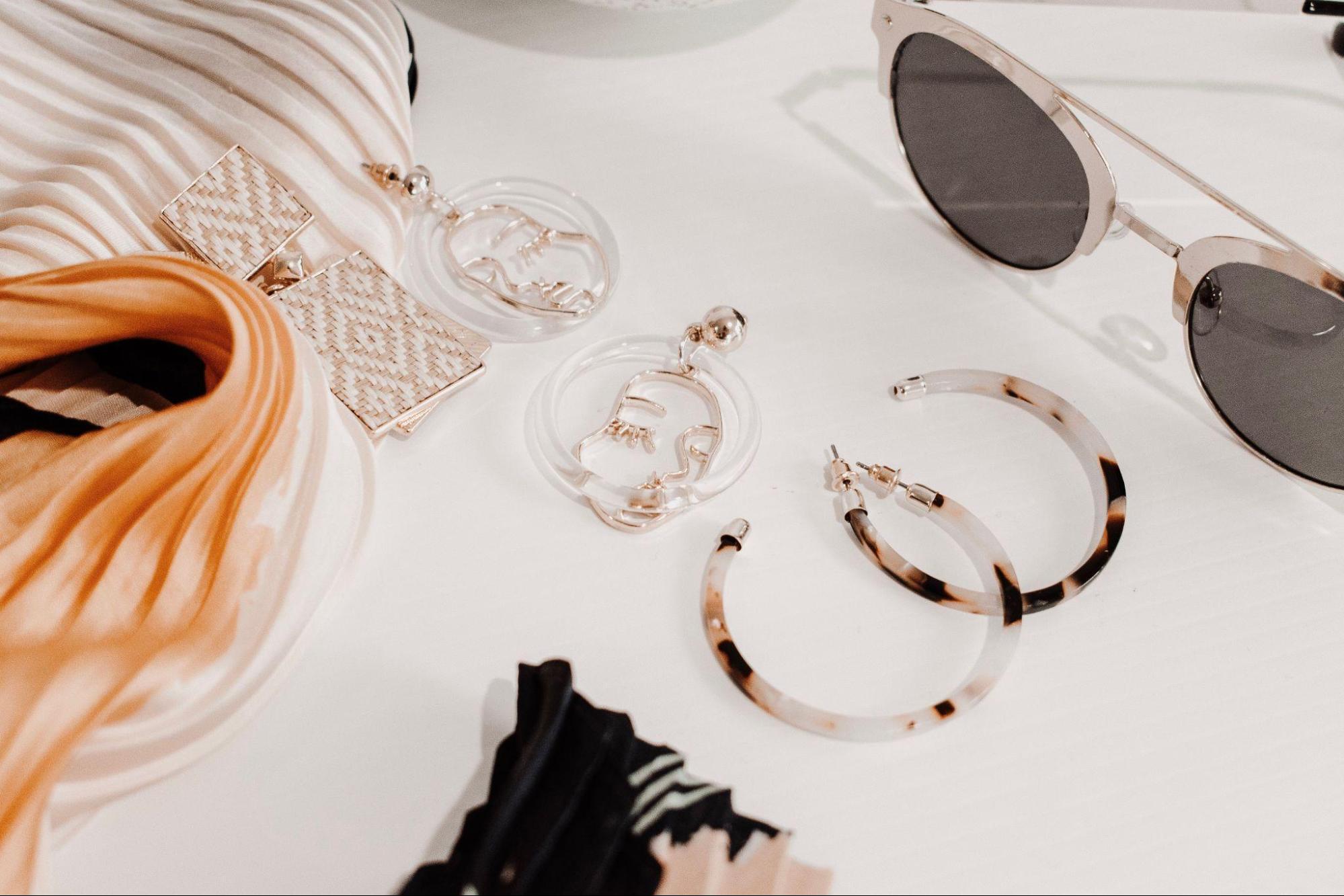
A fan might copy a player’s loose trouser shape, sneaker colorway, varsity jacket, sunglasses, pregame hoodie or layered jewelry. This is different from buying a team shirt. It is more personal and more flexible. The fan is not only saying “I support this team.” They may also be saying “I understand this taste language.”
That matters in the USA because sportswear already lives in everyday fashion. Sneakers, track pants, baseball caps, bomber jackets and basketball shorts moved long ago from athletic settings into streetwear. Athlete style simply gives that migration a more visible set of authors.
The smartest fans do not copy an outfit exactly. They translate it. A dramatic tunnel look may become one wearable detail: a wider pant, a cleaner sneaker, a better jacket, or a stronger use of color.
Why women’s basketball changed the style conversation
Women’s basketball has added urgency and freshness to the athlete-fashion conversation. WNBA players are not only dressing well; they are using style to claim space in a sports media environment that has historically under-covered them.
That visibility matters. A tunnel outfit can introduce a player to a casual viewer before that viewer understands her game. It can lead someone to follow her account, search her highlights, notice her sponsor, or watch the next matchup. Fashion becomes an entry point, not a replacement for performance.
This is especially important because WNBA style is not one-note. Some players lean into sharp tailoring. Others use denim, leather, sports bras, loafers, crochet details, oversized silhouettes or luxury accessories. The variety helps fans see personality rather than a league-wide costume.
For young fans, that can be powerful. Athlete style shows that strength and self-expression do not need to compete. They can appear in the same frame.
Social media made style measurable
The old fashion system depended on editors, campaigns and seasonal collections. Athlete style now runs through a faster loop. A player walks in, photographers capture the look, a team account posts it, fan pages repost it, comments judge it, and style accounts identify the brands.
This creates measurable attention. A strong outfit can generate engagement even on a night when the athlete is not the scoring leader. A bold look can travel across fashion pages that rarely discuss box scores. A meme can make a cardigan, hat or shoe choice part of the week’s sports conversation.
That attention has commercial value, but it also creates pressure. Players may feel expected to dress for constant evaluation. Fans may forget that the tunnel is still a workplace entrance, not only a content set. The healthiest version of this culture leaves room for both effort and ease.
The key is authenticity. Fans can tell when a look feels like an athlete’s own language. They can also tell when the clothes are wearing the athlete.
The courtside effect
Courtside style adds another layer. In American sports, courtside cameras blur the line between fan, celebrity and participant. A singer in a rare jacket, an actor in a team cap, a retired player in luxury tailoring, or an influencer in a statement sneaker can become part of the broadcast atmosphere.
This matters because fans learn from the whole visual field. The court is not only where the game happens. It is where status is displayed, where culture gathers and where sport becomes a social room.
Basketball is especially strong at this because the audience is physically close to the action. The camera catches faces, shoes, reactions and outfits in a way that football or baseball often cannot. That intimacy makes style feel like part of the event rather than decoration around it.
For brands, that is a valuable stage. For fans, it is a style lesson in real time.
What fans can take from athlete style
Athlete style works best when fans use it as inspiration rather than instruction. The goal is not to dress like a professional player with a stylist, designer access and arena cameras. The goal is to notice the principles behind the look.
A few lessons travel well:
- Fit matters more than logos. A simple outfit can look strong when the proportions are right.
- One statement piece is enough. A jacket, sneaker or accessory can carry the look.
- Comfort still matters. Athletes often move through travel, media and recovery before games.
- Personal context helps. The strongest style reflects the person, not only the trend.
- Confidence is visible. The same outfit looks different when worn with ease.
This is why tunnel fashion connects with everyday fans. It gives people permission to think more carefully about their own presentation without treating clothing as costume.
Why this shift will keep growing
Athlete style is not a passing side story because it sits at the intersection of several durable forces: social media, sports marketing, sneaker culture, women’s sports growth, athlete-owned brands and the public appetite for behind-the-scenes access.
The tunnel is useful because it gives fans a moment before the scoreboard takes over. Courtside cameras are useful because they show who wants to be seen inside the sports world. Social feeds are useful because they let fans argue, admire, imitate and remix the look.
That is why athlete style now shapes fan identity in America. It gives fans more than a team to follow. It gives them a visual language to join.
The game still comes first. But the walk into the arena now tells its own story.