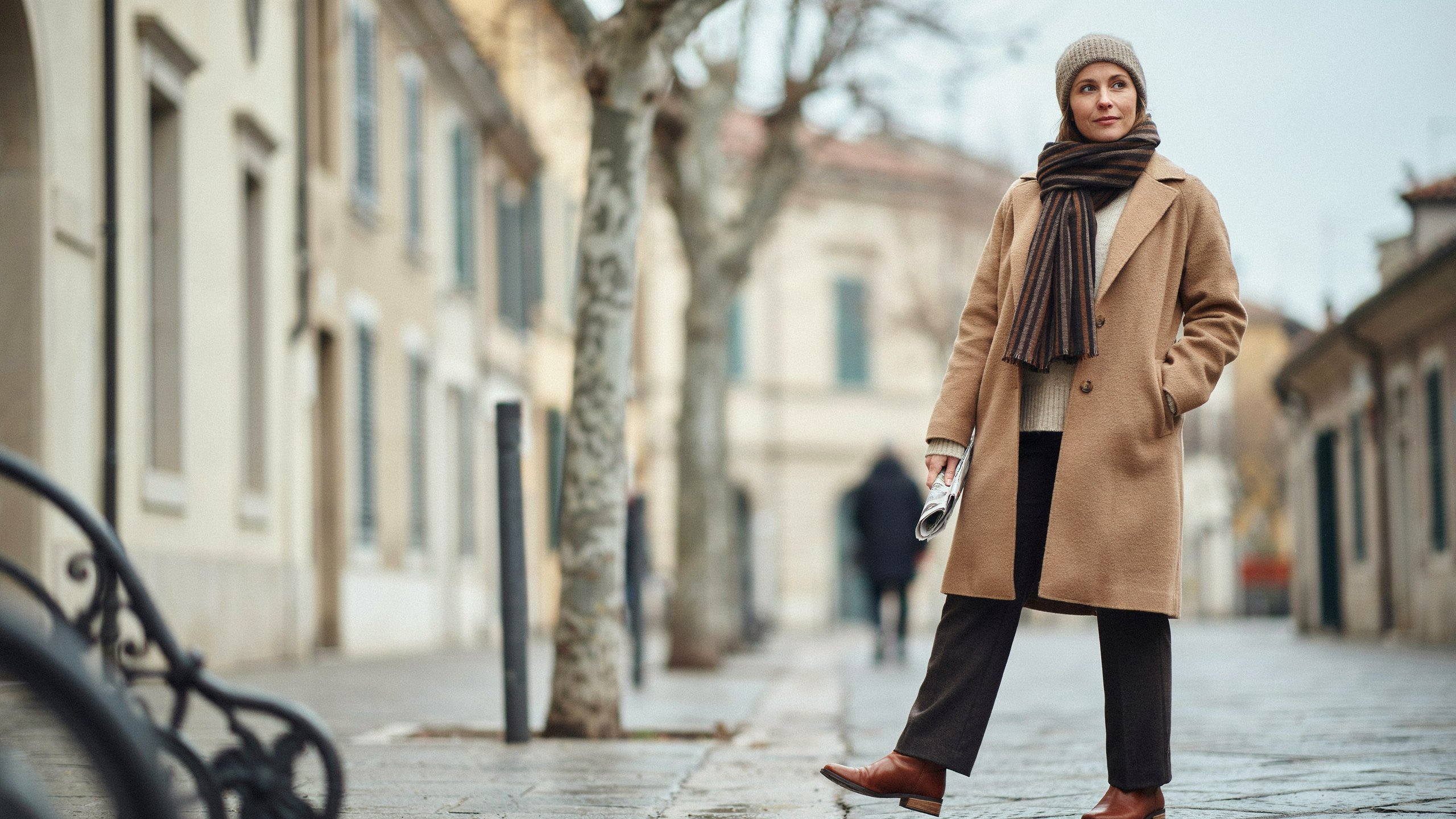
A great winter wardrobe has a harder job than its warm-weather counterpart. Clothes need to handle cold mornings, overheated interiors, unexpected rain or snow, and the occasional evening when practicality threatens to flatten every interesting styling decision. Yet dressing for winter does not have to mean choosing between looking polished and staying warm. The strongest wardrobes do both, using thoughtful layers, distinctive textures, good proportions, and accessories that make even familiar cold-weather pieces feel considered.
Start With Strong Outerwear
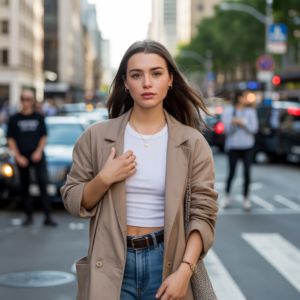
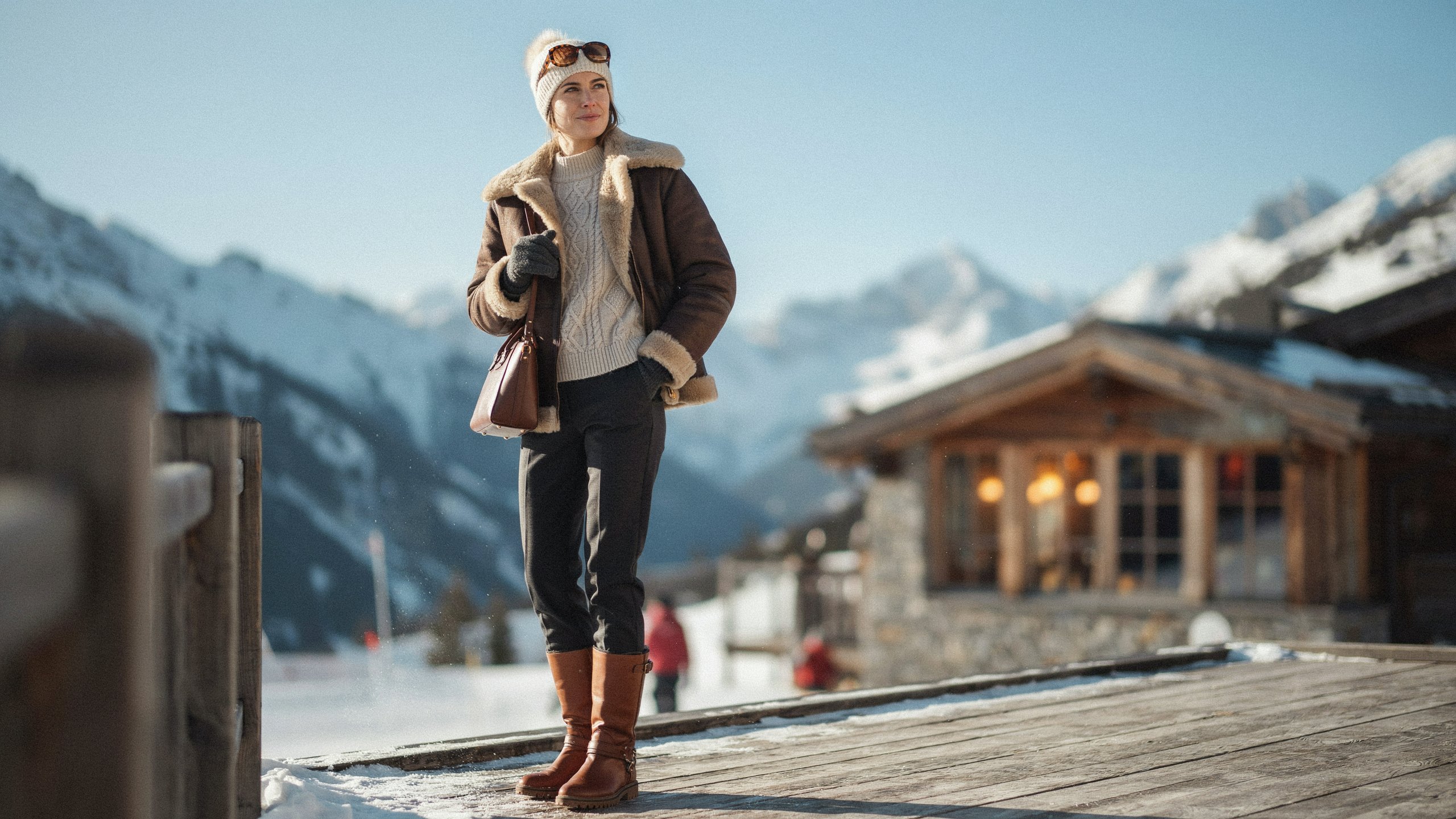
During winter, a coat or jacket becomes the most visible part of an outfit. It can cover a carefully chosen dress, tailored trousers, or an entire layered look for hours at a time, which makes outerwear worth treating as more than protection from the weather. Well-chosen women’s jackets can provide insulation while also establishing the shape, color, and overall character of an outfit.
Variety matters here. A long wool coat gives dresses and trousers an elegant finish, while a cropped puffer works with denim, leggings, and relaxed weekend pieces. A leather jacket can extend well into colder months when layered over substantial knitwear, and a belted coat creates definition when bulky layers begin to overwhelm the silhouette.
The smartest approach is to choose outerwear according to how life actually looks during winter. Warmth, pocket placement, comfortable sleeves, secure closures, and enough room for sweaters matter just as much as the cut. A beautiful coat that becomes unbearable below 40 degrees is essentially expensive closet decor.
Use Texture to Create Interest
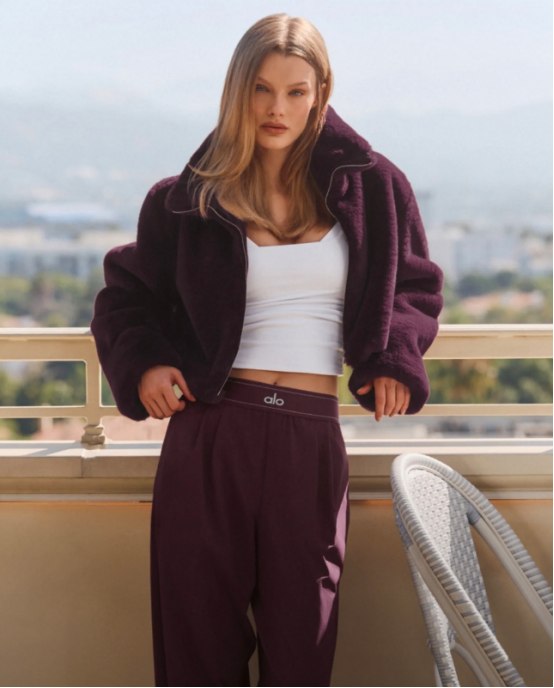
Winter offers one advantage that summer simply cannot compete with: texture. Wool, cashmere, corduroy, suede, leather, faux fur, velvet, and substantial knits can coexist in one wardrobe without looking excessive. Combining a few of these materials makes neutral outfits feel richer without requiring dramatic colors or complicated styling.
Consider a cream cable-knit sweater with dark denim and suede boots, or tailored wool trousers paired with a fine knit and leather jacket. Even an all-black outfit becomes more dimensional when smooth leather sits beside fuzzy cashmere or structured wool.
Texture also makes layering look intentional. Instead of piling on pieces solely because it is freezing outside, build layers with different weights and finishes. A thin turtleneck beneath a cardigan and tailored coat creates depth without excessive bulk. The result feels styled rather than assembled in a panic five minutes before leaving the house.
Balance Proportions With Layers
Layering can go wrong quickly when every piece has the same volume. An oversized sweater, enormous coat, wide trousers, and chunky boots may each look fantastic individually, but together they can swallow the person wearing them. Creating contrast between fitted and relaxed pieces keeps winter outfits visually balanced.
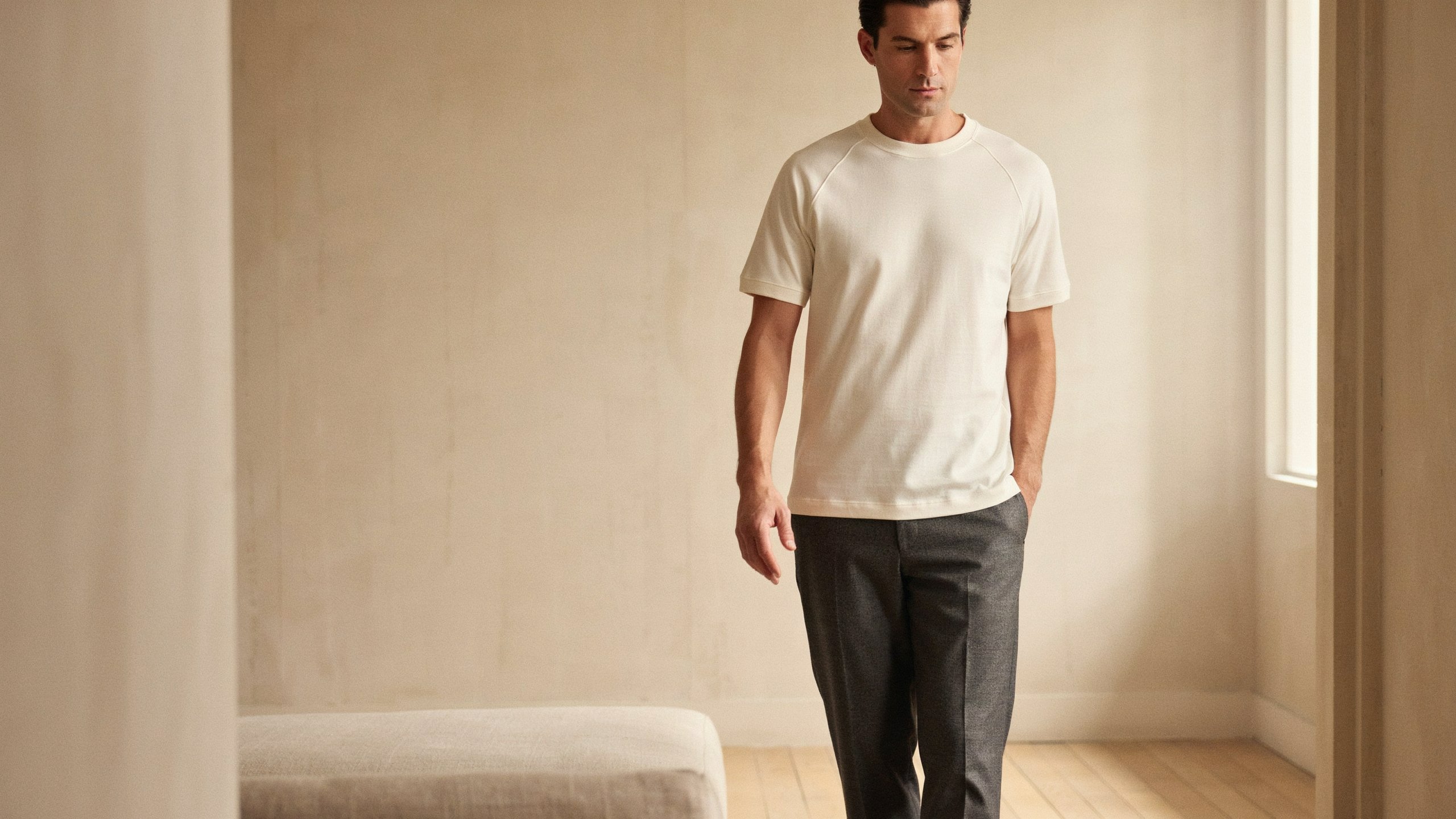
If the coat is oversized, try a slimmer trouser or straight-leg jean underneath. Wide-leg pants can work beautifully with a fitted knit or cropped jacket. A voluminous sweater becomes easier to style when partially tucked into a defined waistband. Even showing a little wrist between a sleeve and glove can prevent heavier outfits from feeling cumbersome.
Length deserves attention too. Long coats tend to look especially polished over midi skirts, dresses, and full-length trousers because the lines work together rather than competing. Cropped jackets can bring definition to high-waisted pants and longer skirts. These small proportion choices often separate an outfit that merely keeps someone warm from one that feels genuinely put together.
Let Accessories Do More
Winter accessories should earn their place. Scarves, gloves, boots, belts, handbags, and jewelry can add personality while serving practical purposes. A wide scarf provides warmth but can also introduce color or pattern. Leather gloves make an ordinary wool coat look sharper. A structured boot offers protection from cold streets while giving an outfit a stronger foundation.
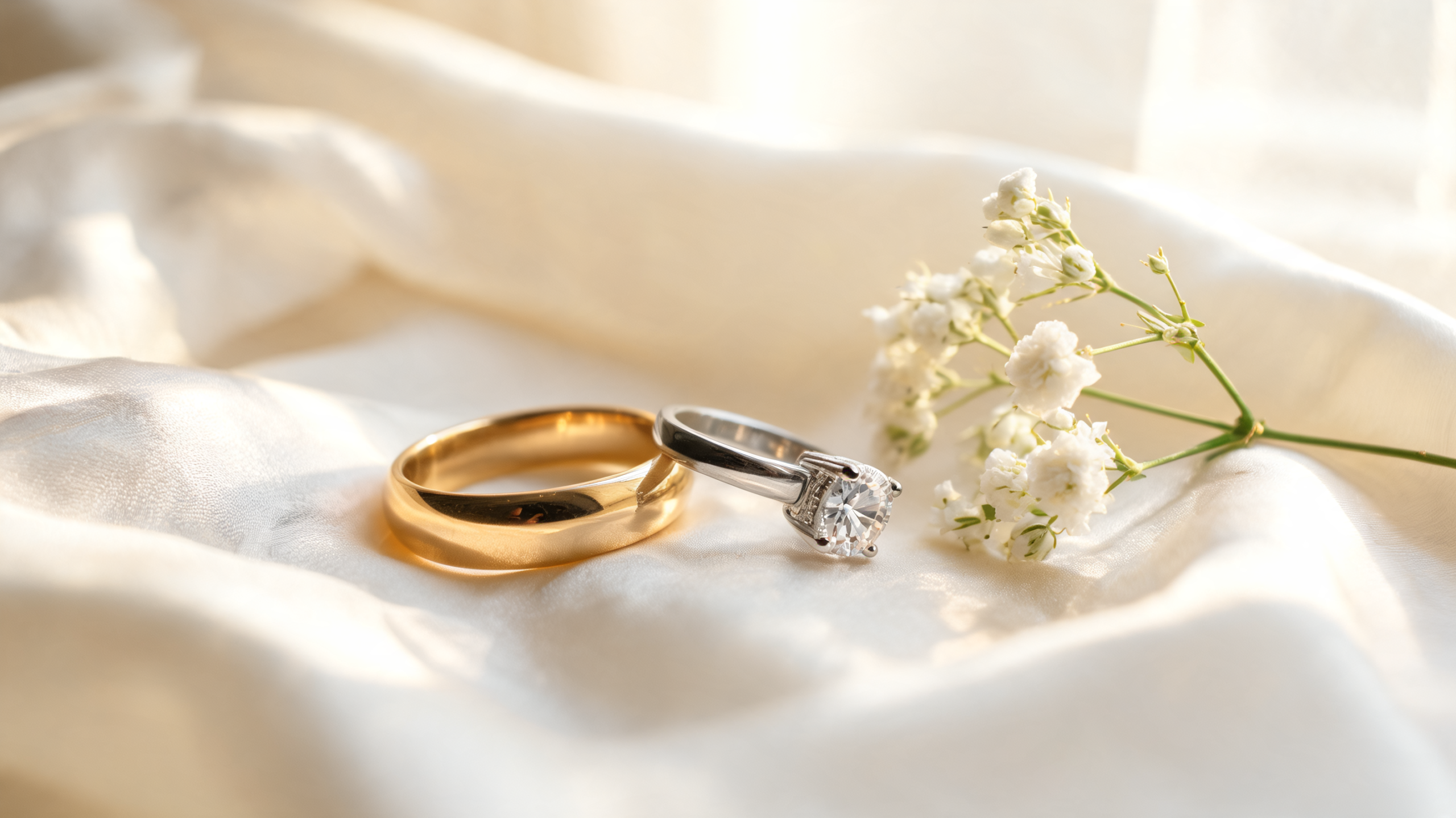
Jewelry is especially useful because it provides contrast against heavier fabrics. Simple gold jewelry can brighten charcoal wool, chocolate brown knits, navy tailoring, and winter whites without competing with layers. Hoops peeking beneath a scarf, a pendant worn over a fitted turtleneck, or a bracelet beside a sweater cuff adds a polished detail that remains visible even when most of the outfit is designed around warmth.
Accessories are also an easy place to experiment. Someone who prefers classic coats and neutral sweaters can introduce burgundy, forest green, animal print, metallic finishes, or unusual shapes through smaller pieces rather than rebuilding an entire wardrobe around seasonal trends.
Buy for Repeat Wear
Functionality ultimately depends on whether clothes can survive real life. Winter staples should work across different settings and combine easily with pieces already in the closet. Before buying another sweater, coat, or pair of boots, consider how many existing outfits it can join. A striking piece that works once is far less useful than one that can be styled six different ways.
That does not mean everything needs to be neutral or basic. Personality is what makes a wardrobe memorable. A dramatic coat, colorful knit, sculptural bag, or unexpected boot can become a signature piece when the rest of the closet supports it.
The best winter wardrobe is not necessarily the largest one. It is a collection in which warmth and style stop fighting each other. Strong outerwear, tactile fabrics, balanced proportions, useful accessories, and pieces worth wearing repeatedly create a wardrobe that feels distinctive while still handling winter as it actually happens.