Seasonal wardrobe transitions have a way of exposing exactly what is working in your wardrobe and what is not. You pull out a box of winter clothes, look at what you own, realise half of it is wrong somehow, and end up buying things reactively rather than thoughtfully. It is a cycle most people recognise. The fix is not a complete wardrobe overhaul every six months. It is building a wardrobe with enough structural integrity that the seasonal shift is just a matter of adjusting a few layers rather than rebuilding from the ground up.
The two categories that do the most work during a seasonal transition are statement pieces with inherent versatility and denim in a silhouette that holds its own across both warm and cool weather contexts.
Statement Dresses That Work Across More Seasons Than You Think
The instinct is to pack away summer dresses the moment the temperature drops and to bring them back out only when it is fully warm again. But a well-chosen dress rarely has only one seasonal life. The layering question is what determines whether a dress stays useful or gets put away.
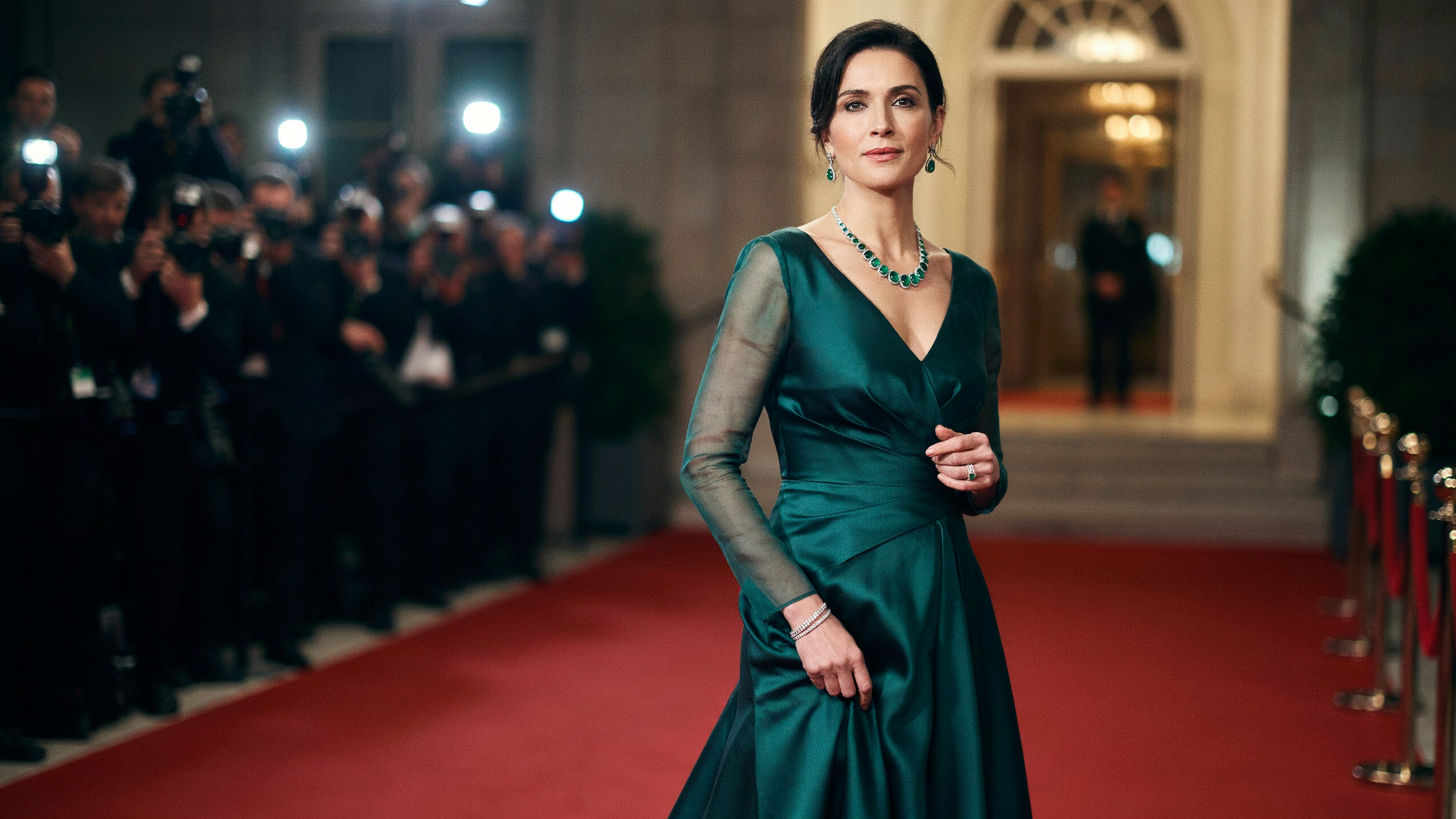
Women’s maxi dresses from Runaway The Label are a particularly useful transitional piece because the length and the fabrication do a lot of seasonal work on their own. A maxi dress in a textured linen or a fluid satin is already warmer at the ankle than a mini or midi, which means you are starting with more coverage. Layer a fitted ribbed long-sleeve underneath, add ankle boots and a structured jacket, and a dress that read as summer all the way through suddenly reads as a fully intentional autumn look. The dress itself has not changed. Everything around it has shifted.
The key to making this work is choosing dresses with clean, uncluttered silhouettes rather than heavily seasonal prints or very light, sheer fabrics. A dusty rose or a rich earthy tone in a substantial material transitions with far less effort than a bright floral in cotton voile, which is always going to read as one season specifically. Runaway’s approach to cut and construction gives you that structural quality to build around.
Layering as a Skill Worth Actually Developing
Layering gets mentioned in almost every seasonal fashion conversation and is usually explained too vaguely to be useful. The practical version of it is simpler: the outer layer controls the season, the inner layers control the warmth. If you get this right, the same outfit foundation can move across a much wider temperature range than people expect.
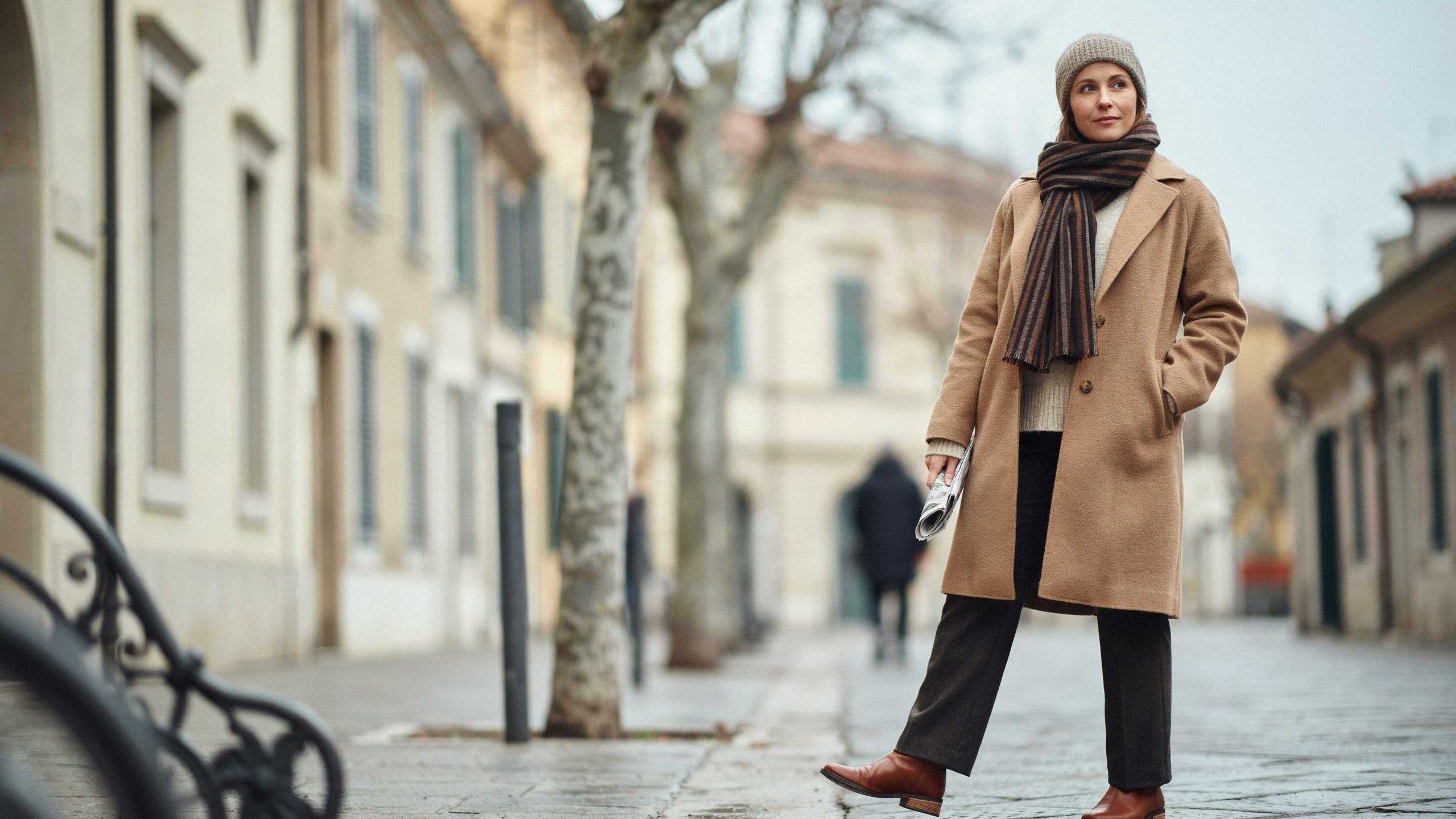
Start with a foundational piece that has its own merit: a great top, a dress, or well-fitted trousers. Then ask what the outer layer is doing. A long structured coat takes a summer slip dress into autumn immediately. A cropped leather jacket takes a lightweight knit into late summer. A lightweight oversized blazer bridges the gap between seasons without committing to either.
Rachel Green’s wardrobe from Friends is a useful reference point here, and the breakdown of iconic 90s Rachel Green outfits illustrates this principle consistently. Her slip-dress-under-cardigan combinations from the show’s autumn episodes are exactly this logic in practice: a summer-weight dress kept alive into cooler months by a single warmer layer draped over it. The proportions and the contrast between the dress and the layer are what make the outfit feel coherent rather than just bundled. That consideration is what separates layering as a style move from layering as a coping mechanism.
The Denim Silhouette That Carries Through Every Season
Denim is the most reliably transitional fabric in most wardrobes, but not all denim silhouettes travel equally well between seasons. Skinny jeans are essentially one-season pieces: they work in cooler weather with chunky knits and boots and become harder to work with in warm weather where the fabric clings. Wide-leg styles have more seasonal range but can feel heavy in summer heat. The flare sits in a particularly useful middle ground.
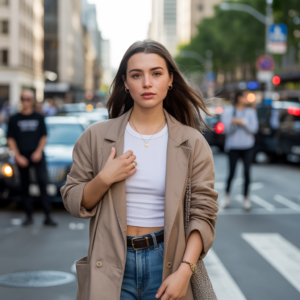
Levi’s® flare jeans offer the structure and coverage of a fuller-leg silhouette without the volume of a true wide-leg, which makes them easier to wear with both lighter warm-weather tops and heavier cooler-weather layers. The flare creates a natural visual balance with oversized knits and with fitted summer tops equally, so you are not fighting the silhouette as the season changes. In summer, a flare jean with a simple linen tank and sandals is a complete, easy outfit. In autumn, the same jean with a ribbed turtleneck and ankle boots is an entirely different mood. Same denim, three-month wardrobe life extension.
The wash matters here too. A mid-wash blue denim reads as more casual and summer-appropriate. A darker rinse or a vintage black denim leans cooler and transitions more naturally into autumn dressing. Owning one of each effectively doubles the seasonal range of a single silhouette.
What Accessories Actually Do for Seasonal Transitions
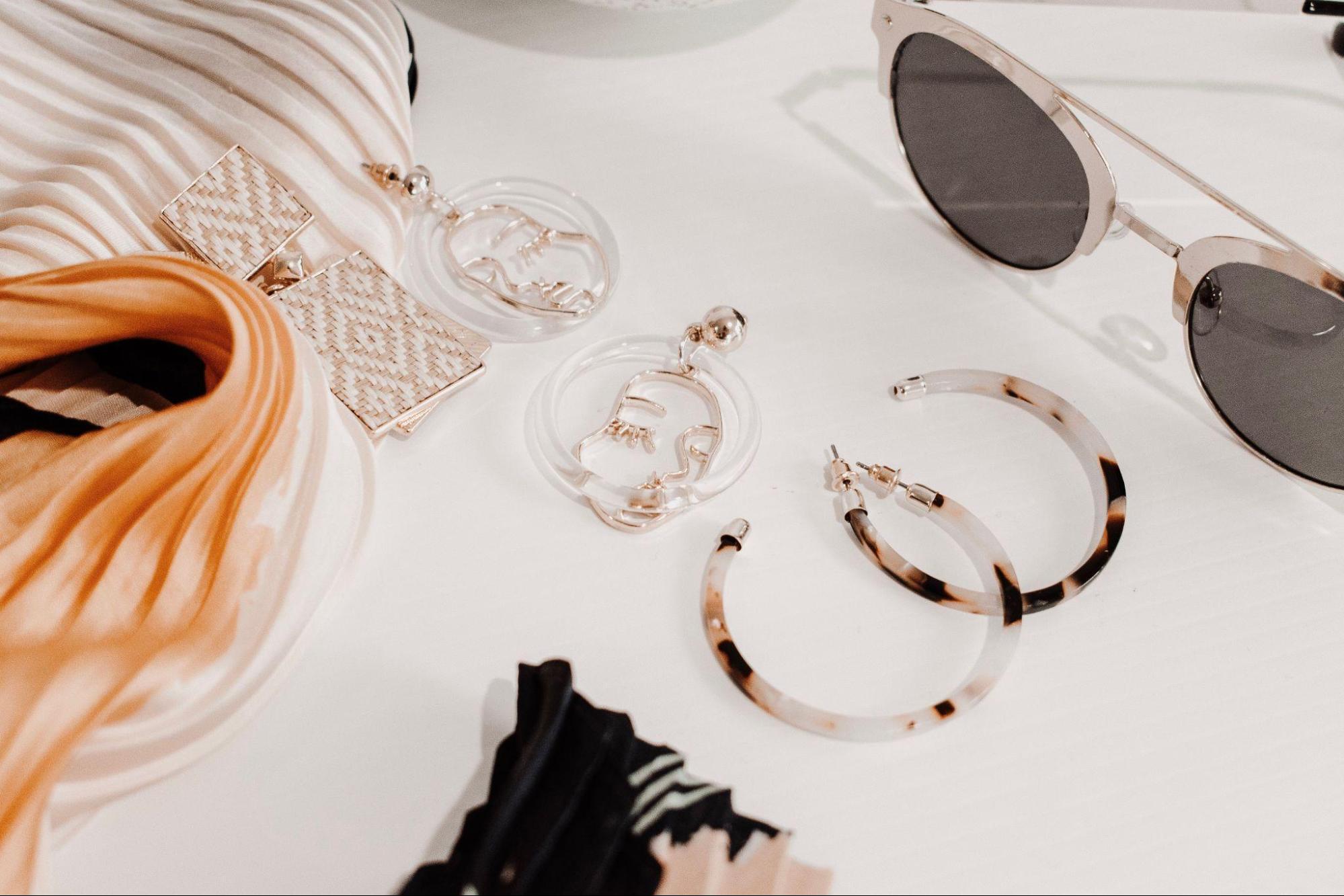
Accessories are the part of this conversation that gets underestimated. A summer outfit reworked with the right footwear and bag can cross into a completely different season without a single clothing swap. Swapping flat sandals for a heeled boot in a warm, earthy tone moves an outfit forward by several months. Replacing a woven raffia bag with a structured leather tote communicates autumn before the temperature has fully shifted.
This is something Zendaya does consistently in her street style, and the full breakdown of her seasonal outfit transitions shows how few changes are actually needed when the foundational pieces are strong. A slip dress with sneakers is summer. The same dress with a leather jacket and boots is late autumn. The dress is not doing the transitioning. Everything around it is.
Building the Transition-Ready Wardrobe
The practical upshot of all of this is that a transition-ready wardrobe is not larger than a regular one. It is just more considered. Fewer pieces, chosen for their range across multiple contexts and temperature bands. Statement dresses that layer. Denim in silhouettes with genuine seasonal flexibility. A small kit of layering pieces: a structured jacket, a great coat, a ribbed knit, and a lighter overshirt. Accessories in materials and colours that signal a season shift without requiring a full outfit rebuild.
The wardrobe that handles seasonal transitions well is the one that was built with transition in mind, not assembled reactively, season by season, from whatever filled the gap at the time.