I’ve always been fascinated by how one woman’s wardrobe could shake the entire fashion world. Josephine Baker fashion did exactly that.
In this article, I’ll walk you through her iconic style, from the famous banana skirt to her love for pearls and couture gowns.
We’ll look at how her bold choices influenced designers, shaped beauty trends, and even supported civil rights.
With years of studying fashion history, I can say her impact still shows up on runways today. If you want to understand real style power, you’re in the right place.
Who Was Josephine Baker? The Woman Behind the Style

From a struggling girl in St. Louis to the queen of Paris, Josephine Baker’s life was as bold as her wardrobe.
Josephine Baker was born in St. Louis, Missouri, in 1906. She grew up in poverty, found her outlet in music and dance, and worked her way into the New York vaudeville scene as a teenager. In 1925, she traveled to Paris and never looked back.
Paris fell in love with her almost instantly. Her performance in “La Revue Nègre” brought an energy French audiences had never seen before. Newspapers wrote about her, artists painted her, and fashion houses took notice.
Baker used fashion to control how the world saw her. She chose her costumes with intention, worked with top designers, and built her image entirely on her own terms. That is what made Josephine Baker fashion so powerful. It was never just about clothing. It was about claiming space and telling her own story.
The Rise of Josephine Baker Fashion in the 1920s
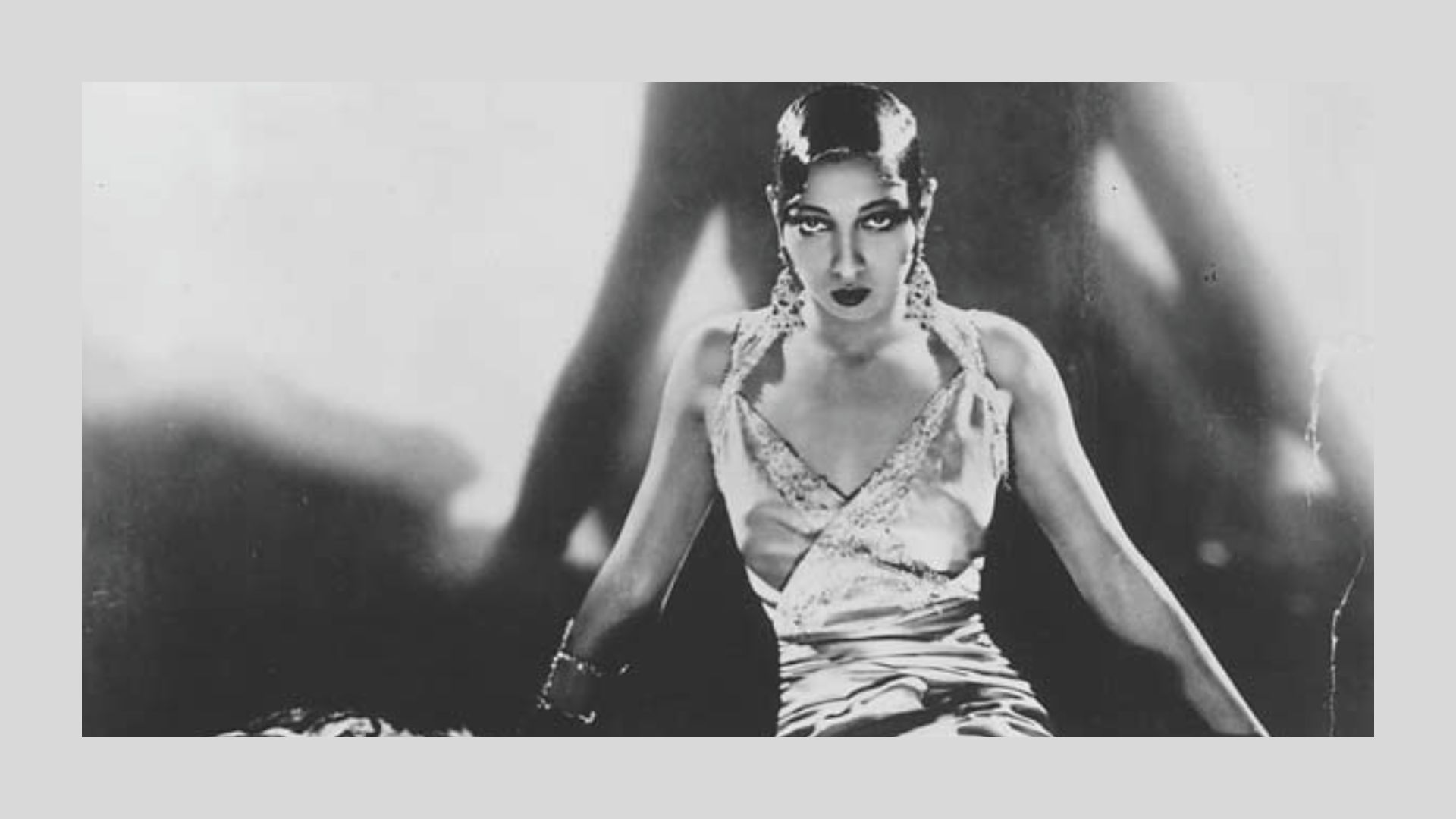
Baker turned the 1920s Paris stage into a runway, making fashion history with every performance.
From Vaudeville to Paris Stardom
Before Paris, Baker worked in the chorus line of traveling shows. She was often placed at the back because of her race, but people still noticed her. She landed a spot in “Shuffle Along” on Broadway in 1921, where her physical comedy and expressive style made her a crowd favorite.
In 1925, she traveled to Paris to perform in “La Revue Nègre.” Her performance in the “Danse Sauvage” shocked and thrilled the audience.
Overnight, she went from a chorus girl to a headline act. She then performed at the Folies Bergère, toured Europe, performed for royalty, and was photographed everywhere she went.
The Cultural Climate of the Roaring Twenties
The 1920s were a time of big change. After World War I, jazz spread from America to Europe, fashion rules loosened, and Art Deco shapes influenced everything from buildings to clothing.
European audiences were fascinated by Black American art and culture, and Paris became a place where Black artists could work more freely.
Baker didn’t just fit into this scene. She helped define it. She mixed African-influenced imagery with French couture and challenged the idea of what a fashion icon could look like.
The Banana Skirt: A Defining Fashion Moment
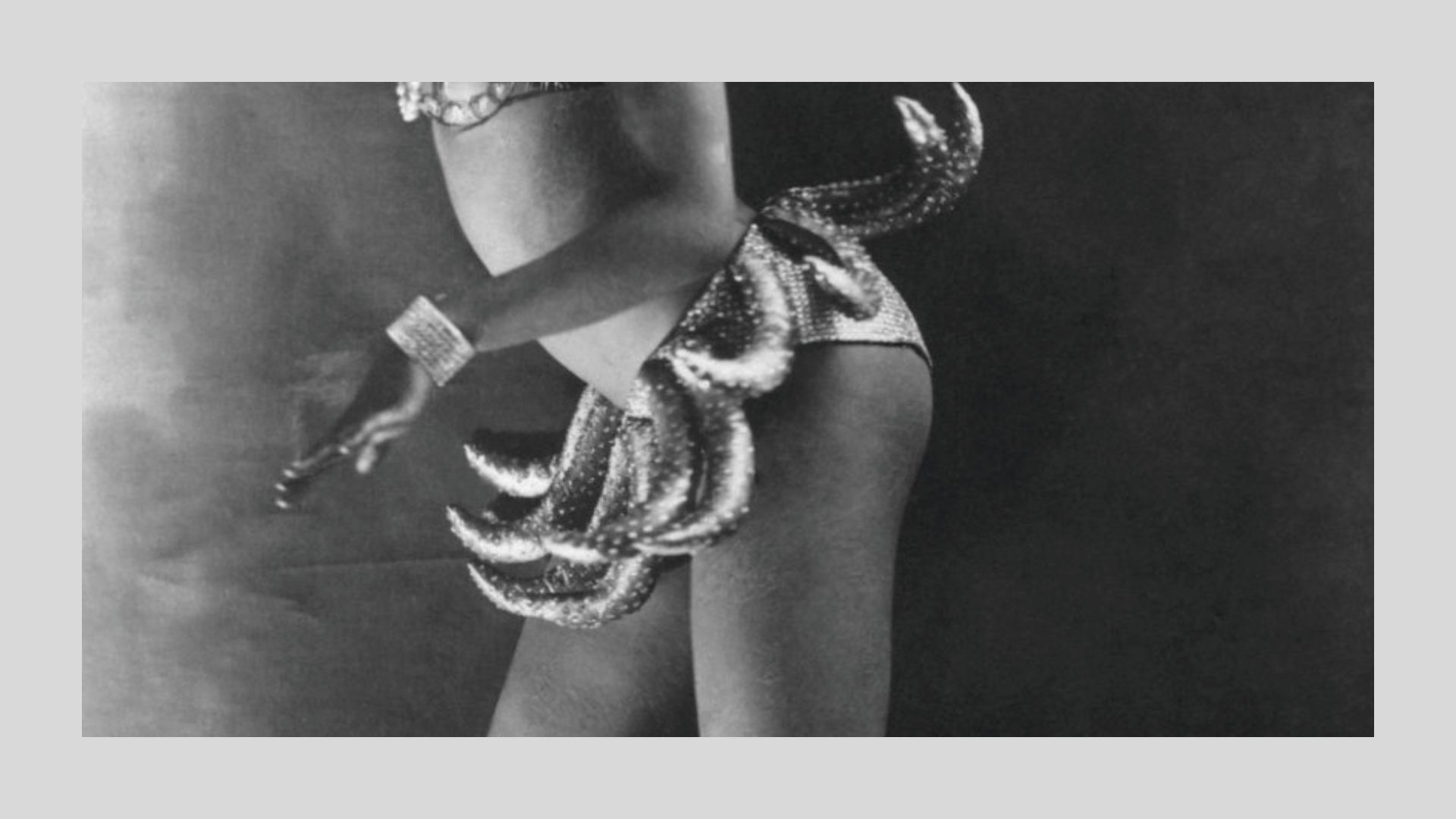
The banana skirt was more than a costume. It was a statement that rewrote what bold dressing could mean.
Breaking Boundaries with Bold Costume Design
Baker wore the banana skirt at the Folies Bergère in 1926. It was made of 16 artificial bananas strung around her waist. The costume played with ideas of exoticism that European audiences projected onto Black performers.
Baker took that projection and flipped it into something she fully controlled. She wore it with humor and confidence, and it became her most recognized symbol.
Reclaiming and Redefining Image
Baker used exaggerated imagery deliberately. The wild dancing and over-the-top performances were all intentional. She was holding a mirror up to her audience, and many didn’t even realize it.
By controlling her image, she turned spectacle into power. She chose her costumes, her poses, and her performances. She used fashion not just to entertain but to send a message.
Signature Style Elements That Shaped an Era
Baker’s personal style went far beyond the stage. It set trends that lasted for decades.
The Eton Crop and Finger Waves
Baker wore her hair slicked close to her head with finger waves shaped along the sides, a style known as the Eton crop. She used Brilliantine to achieve that glossy, sculpted look.
The style became a massive trend across Europe and America. She helped redefine what polished looked like and showed that Black hair could set the standard.
Pearls, Sequins, and Stage Glamour
Off stage, Baker wore layers of pearls, beaded gowns, and sequined outfits. She loved bold jewelry and rarely appeared without dramatic accessories. Her style was sensual but always rooted in confidence.
Even in her most revealing costumes, she appeared completely in control. Designers noticed this combination and it influenced how they dressed women for years after.
Refined Couture Beyond the Stage
When she wasn’t performing, Baker wore the finest French couture. She worked with designers like Jean Patou and Paul Poiret, wearing bias-cut gowns, fur stoles, and tailored suits.
Magazine editors and designers looked to her for inspiration, and she appeared on the covers of major publications as a recognized style leader.
Josephine Baker Fashion and Celebrity Influence
Her look influenced generations of designers and performers who saw fashion as more than just clothing.
Influencing Designers Across Generations
Baker’s influence didn’t stop with her era. Houses like Alexander McQueen and Jean Paul Gaultier have shown collections that clearly pulled from her visual world.
The banana motif, draped beads, and body-confident silhouettes all echo her legacy. Each new generation of designers finds something fresh to pull from her story.
Homage by Modern Performers
Many modern performers have paid direct tribute to Baker. Beyoncé has referenced her in music videos and stage performances.
Rihanna and other pop stars have worn looks that nod clearly to her costumes. On red carpets worldwide, beaded gowns, bold headpieces, and stacked jewelry all trace back to her influence.
Fashion as Power: Style Meets Activism
Baker used her wardrobe as a weapon for change, proving that fashion and activism can walk hand in hand.
Using Image to Build Influence
Baker understood the power of image long before personal branding was a concept. She gave interviews, posed for photographers, and chose her appearances strategically.
She knew that the right outfit at the right moment could say things that words couldn’t. As her fame grew, she used it to move in circles of politicians, artists, and intellectuals, pushing for causes she believed in.
From Performer to Civil Rights Advocate
Baker refused to perform for segregated audiences and marched alongside Martin Luther King Jr. She used her international fame to draw attention to racial inequality.
In France, she spoke out against racism and protected Jewish friends during World War II, earning the Croix de Guerre and the Légion d’honneur for her work with the French Resistance.
Every time she walked into a room dressed in couture, she was making a statement about who deserved to be seen as powerful and respected.
Josephine Baker Fashion in Contemporary Trends
Decades later, Baker’s style is still shaping runways, campaigns, and the way we think about bold dressing.
The Return of 1920s Visuals
Mini skirts with fringe, fruit-themed prints, and bold silhouettes have all returned to major runways in recent years. The finger wave hairstyle has also made a strong comeback, seen at shows from Paris to New York.
Baker didn’t invent these trends, but she made them iconic. Their return keeps reminding the fashion world where they came from.
Vintage Revival and Modern Collections
Fashion brands have launched collections directly influenced by Baker’s era. Beaded fringe dresses, pearl-heavy accessories, and her visual language keep showing up in modern retail and marketing campaigns.
Her style stays relevant because it was never just about trends. It was about confidence and telling your own story through what you wear. That message doesn’t go out of style.
Conclusion
Josephine Baker fashion has always meant more to me than just vintage glamour. It’s about using style to say something real.
From the banana skirt to her couture gowns, she showed the world that what you wear can carry power, identity, and courage. I hope this post helped you see fashion in a new light.
If it did, I’d love to hear your thoughts.
Drop a comment below and tell me which part of her style influences you most. Share this post with a friend who loves fashion history too.
Frequently Asked Questions
What made Josephine Baker’s fashion so influential in the 1920s?
She mixed bold stage costumes with high fashion couture in ways no one had tried before. Her style challenged racial and gender norms while setting trends across Europe.
Did Josephine Baker design her own costumes?
She worked closely with designers but had a strong personal vision. She played an active role in shaping every look she wore on and off stage.
How did the banana skirt become such a famous fashion symbol?
She wore it at the Folies Bergère in 1926 and turned it into a statement of control and confidence. It became a symbol of bold, intentional dressing.
How does Josephine Baker’s style influence fashion today?
Her influence shows up in fringe dresses, fruit motifs, finger waves, and layered pearls on modern runways. Many performers still pay tribute to her iconic looks.
Why is Josephine Baker considered a fashion icon and not just a performer?
She worked with top Paris designers, set lasting trends, and used fashion to make powerful statements. Her style went far beyond entertainment.