Nobody’s life becomes meaningful in one dramatic afternoon. It happens in ordinary moments: letting the frazzled parent go ahead of you, answering a difficult text with kindness, or taking a breath before responding to your teenager. Meaning builds quietly through the choices nobody is grading you on.
We often wait for big gestures or major life changes while overlooking the small moments that shape our character. A meaningful life is found in how we treat others, how we handle mistakes, and whether we keep the small promises we make.
That same appreciation for thoughtful, lasting choices can be seen in jewellery, particularly 14k gold fill. It offers a practical middle ground between standard plating and solid gold, combining real gold with greater durability for pieces designed to be worn and enjoyed regularly.
What “Gold Fill” Actually Means
Gold fill (sometimes written gold-filled) isn’t a marketing term someone invented to sound fancy. It’s a regulated category with a legal definition. In the US, the material must contain a mechanically bonded layer of gold equal to at least 5% of the item’s total weight, a layer thick enough to actually resist wear, rather than the microscopic dusting used in standard gold plating.
That process matters more than it sounds. Instead of dipping a base metal in a thin gold solution, manufacturers use heat and pressure to permanently fuse a substantial 14k gold layer onto a brass or copper core. The result behaves nothing like plated jewellery, which tends to flake, rub thin, and turn a dull yellow-brown within months of daily wear.
Why Everyone’s Suddenly Talking About It
Three things happened at roughly the same time, and together they explain the current obsession.
- Gold prices climbed. Solid gold earrings that used to feel like a reasonable splurge started feeling like a genuine financial decision. Gold fill offers the same warm, rich colour at a fraction of the cost, because you’re paying for a durable coating rather than gold all the way through.
- People started prioritizing pieces they never remove. The “shower, gym, sleep, repeat” earring trend isn’t really about laziness, it’s about wanting jewellery sturdy enough to become part of your actual life instead of something reserved for special occasions. This same approach works well for professional settings, where minimalist jewelry for work can add a polished touch without feeling overdone.
- Sensitive ears became a bigger conversation. Because the thick gold layer keeps the base metal from touching skin, gold fill tends to be genuinely hypoallergenic, a real advantage over plated pieces, where the base metal is exposed almost as soon as it’s worn.
How It Actually Holds Up
The honest answer: remarkably well, if you treat it with basic care. Because the gold layer is roughly 100 times thicker than standard plating, gold fill resists tarnish and doesn’t flake the way plated jewellery does. It won’t survive being worn in a chlorinated pool every day for a decade without eventually showing wear, nothing does, but for the realistic version of “everyday jewellery,” it holds its colour and shine for years, sometimes decades, with nothing more than the occasional wipe with a soft cloth.
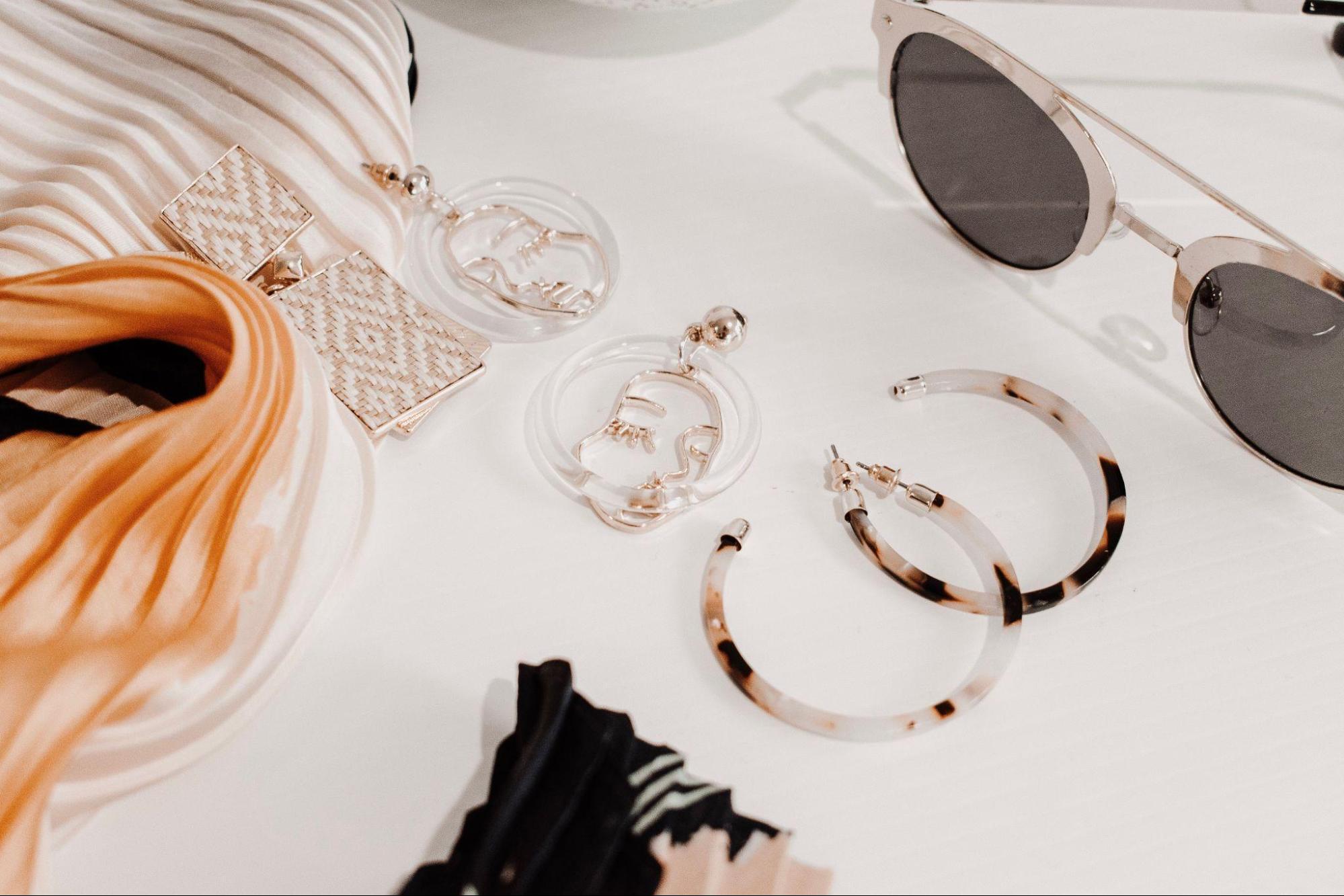
That durability is precisely why it’s being talked about as a small investment rather than a passing trend. You’re not buying something disposable. You’re buying something built to outlast the season it was purchased in. It’s part of why brands like Le Serey have built entire collections of 14k gold filled earrings around exactly this idea, everyday hoops and studs designed to be worn constantly rather than saved for occasions, at a price that actually makes sense for jewellery you’ll reach for daily.
Gold Fill vs. Gold Plated vs. Solid Gold
The differences come down entirely to how much actual gold is involved, and how it’s applied.
- Gold plated — a very thin layer of gold over base metal. Affordable, but it wears down and tarnishes quickly, usually within months of regular wear.
- Gold fill — a thick, mechanically bonded layer of 14k gold over a base metal core. Combines the appearance and durability of solid gold with a far more accessible price.
- Solid gold — gold all the way through. The most valuable and long-lasting option, and priced accordingly.
For daily earrings, the ones you actually forget you’re wearing, gold fill tends to be the practical middle ground: real gold on the surface, genuine longevity, without the fine-jewellery price tag.
Caring for Gold Fill So It Lasts
A little maintenance goes a long way with any jewellery, gold fill included:
- Keep pieces away from harsh chemicals, perfume, and cleaning products
- Remove earrings before swimming in chlorinated water
- Store them in a soft pouch rather than tossed loose in a drawer
- Wipe gently with a soft cloth to restore shine when needed
None of this is high-maintenance. It’s roughly the same care you’d give any earring you actually like.
For the official standard behind the material, including exactly how much gold is legally required for something to be called “gold filled” in the US, the FTC’s Jewelry Guides under 16 CFR Part 23 lay out the regulation in full.
Conclusion
There’s something quietly sensible about the current shift toward gold fill, even if nobody’s framing it in those terms out loud. It’s not about chasing a trend so much as choosing pieces that hold up to an actual life, the shower, the gym, the flight, the years, without demanding the price tag or the anxiety that comes with solid gold.
That’s really what “investment” means here: not resale value, but the simple relief of buying something once and not thinking about it again. If your earring collection is mostly pieces you’re afraid to wear, gold fill is worth a proper look. It might be the rare upgrade that actually makes your jewellery routine simpler instead of more complicated.