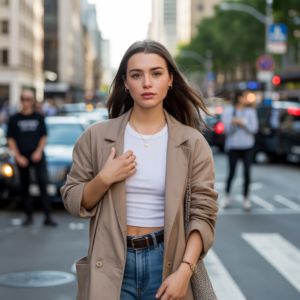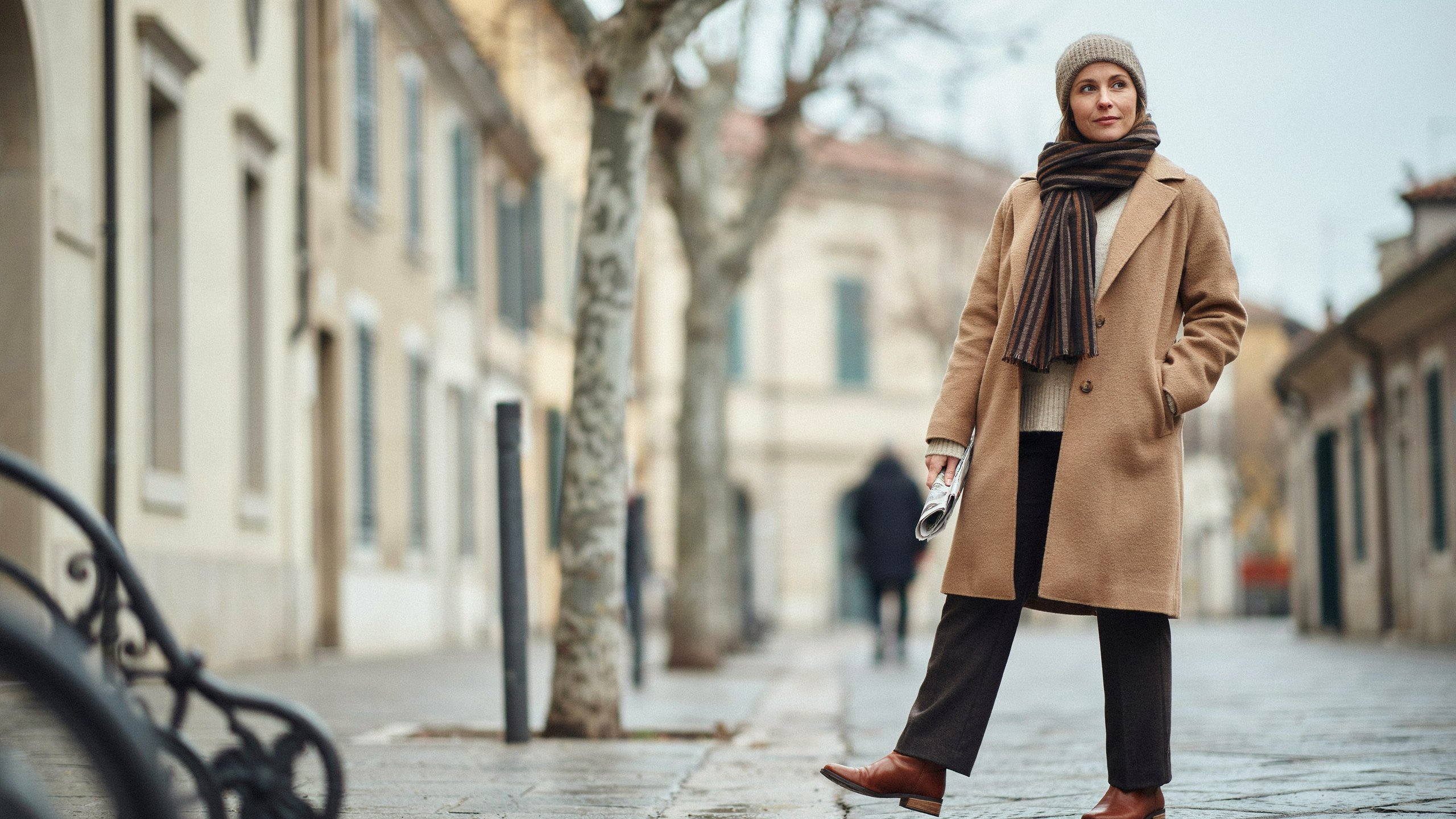
Fashion has always been about imagination. Before a new collection reaches a runway, designers experiment with fabrics, silhouettes, colors, styling and presentation. Before a campaign is photographed, creative teams consider locations, poses, lighting and mood. Even when choosing an everyday outfit, people often picture how different pieces might work together before deciding what to wear.
Seedance 2.5 introduces another way to explore those possibilities. The model is designed around longer continuous generation, multiple visual references, synchronized audio, native 4K output and targeted editing. Its current product page describes support for clips of up to 30 seconds and up to 50 multimodal references, including faces, products, wardrobe, locations, and style frames.
For fashion creators, this can make the early visual stage more flexible. Instead of having to organize a complete shoot for every concept, creators can first explore how an idea might look in motion. Higgsfield’s newest addition is Seedance 2.5 as part of a broader creative workflow, where references and generated scenes can be developed and refined while creators experiment with different visual directions.
Why Is Visual Experimentation So Important in Fashion?
Fashion is highly visual, but it is also constantly changing. A style that looks interesting in one setting can feel completely different in another. The same outfit might appear elegant in a studio, relaxed on a city street, dramatic under evening lighting, or completely different when paired with another silhouette.
That is why experimentation matters. A designer may want to see how a particular fabric moves before planning a campaign. A stylist may want to explore several ways to present the same outfit. A fashion creator may have an idea for a social media series but not know which visual direction will work best.
Traditional photography and video remain essential for many of these projects. They capture real clothing, real people, and authentic details. But they can also make experimentation more time consuming.
Seedance 2.5 offers another stage between imagination and production. A creator can explore an idea visually first, identify the strongest direction, and then decide whether it deserves a more complete shoot.
How Can Fashion Ideas Become More Visual?
A written fashion concept can sometimes be difficult to communicate. Imagine describing a campaign around a flowing evening dress, an old European street, warm sunset lighting and a slow cinematic movement. A written brief can explain the idea, but a visual reference can communicate the mood almost immediately.
This is where generative technology becomes interesting for fashion. Creators can use prompts and references to explore combinations of clothing, environments, movement, and atmosphere. Instead of trying to predict exactly how a final campaign will look, they can create visual possibilities and use those results to refine the creative direction.
Higgsfield AI creative sutis can fit into this process by providing a creative environment where users can work with visual references and generation tools while developing fashion oriented concepts.
The goal is not necessarily to replace a fashion photographer or stylist. It is to make the idea development stage more flexible.
Can Multiple References Help Create Consistent Fashion Concepts?
Consistency is one of the biggest challenges in visual fashion content. A campaign may need the same model, clothing, accessories, location, and overall visual identity across multiple scenes. If these elements change unexpectedly, the campaign can quickly lose its sense of continuity.
Seedance 2.5 supports up to 50 multimodal references, according to its current product information. These references can include faces, products, wardrobe, locations and style frames.
For a fashion concept, that creates several possibilities. A creator could provide a reference for a model, another for the clothing, another for a location and additional images representing the desired styling or atmosphere. The references can establish a visual foundation before generation begins.
This could be useful for fashion storytelling because clothing is rarely presented in isolation. The model, setting, accessories, lighting, and movement all contribute to the final impression.
Higgsfield describes this reference driven approach as a way to maintain direction across a longer sequence, which can be especially useful when a creator wants several visual elements to remain connected.
How Could Longer Scenes Change Fashion Storytelling?
Fashion content does not always need to be a static photograph. Movement can show how fabric behaves, how a coat moves while walking, how a dress changes with the camera angle, or how accessories interact with an outfit. A longer continuous sequence can therefore communicate details that a single image cannot.
Seedance 2.5 is positioned to generate clips of up to 30 seconds. It also supports different aspect ratios, from vertical 9:16 to widescreen 21:9. This can give creators more space to build a visual story.
Instead of showing one outfit in one pose, a sequence could begin with a wider environmental shot, move toward the model, reveal details of the clothing, and finish with a broader view of the complete look.
The same concept could then be adapted for different publishing formats. For social media, a vertical version could focus on movement and styling. For a website or editorial campaign, a wider version could create a more cinematic presentation.
What Does This Mean for Fashion Moodboards?
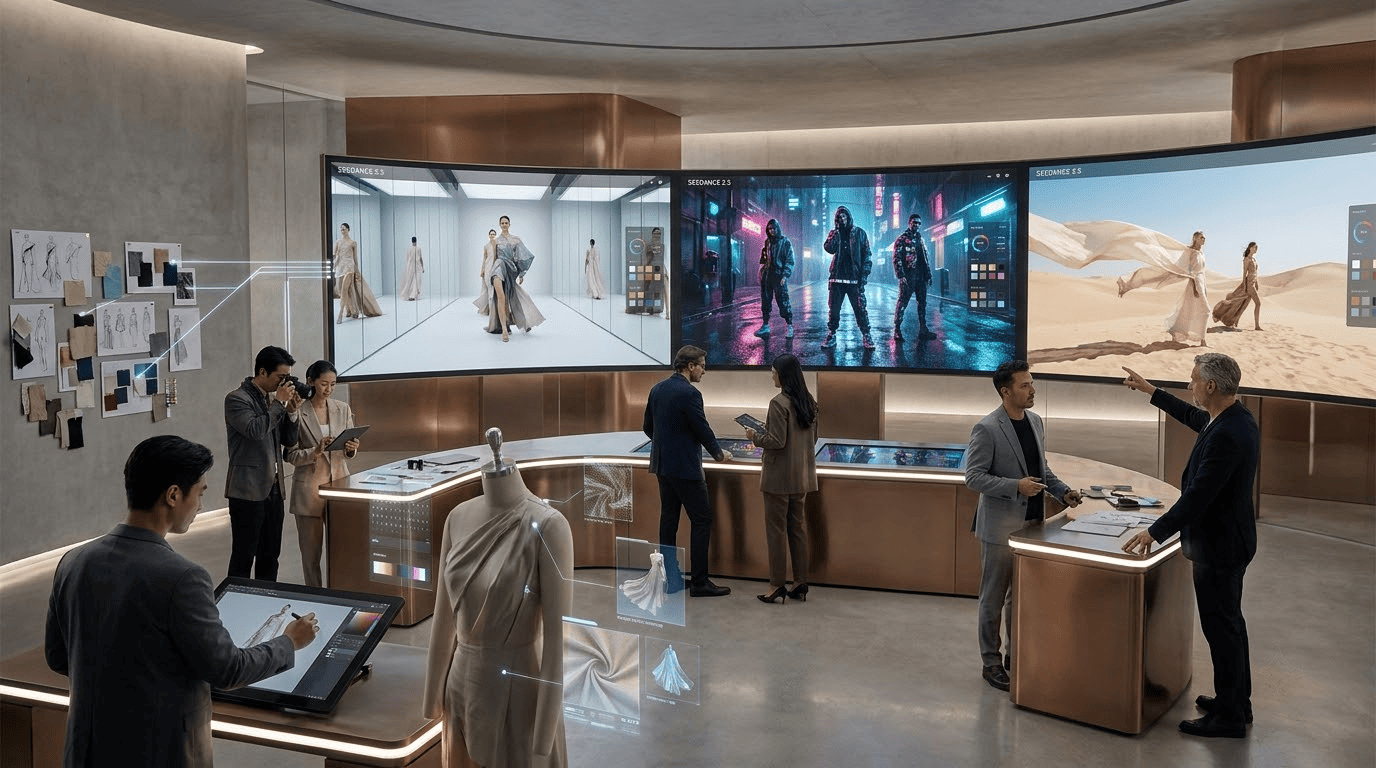
Moodboards have always played an important role in fashion. They help designers and creative teams collect references for color, texture, location, lighting, styling, and overall atmosphere. However, a moodboard is usually made up of separate images. It communicates direction but does not necessarily show how those elements might behave together.
Generated motion can add another layer. A creator could start with a moodboard containing clothing references, locations, textures, and styling ideas. Those references can then help develop a moving concept that gives the team a better sense of how the pieces might work together.
This does not mean the generated result becomes the final campaign. Instead, it can act as a creative prototype. That can make discussions easier. A designer, photographer, stylist, and marketing team can react to a visual concept rather than relying entirely on written descriptions.
How Can Fashion Creators Experiment With Different Styles?
Personal style is rarely fixed. Someone interested in minimalist fashion might also experiment with vintage styling. A streetwear creator might explore formal tailoring. A beauty creator might combine different hairstyles with the same outfit.
Generative tools can make these experiments easier to visualize.
A creator could take one basic fashion concept and explore several directions:
- Minimalist styling
- Vintage inspired styling
- Streetwear interpretation
- Luxury editorial presentation
- Soft romantic styling
- Futuristic fashion
- Eveningwear
- Casual everyday fashion
The value is not that every variation will be successful. Some may look unrealistic or simply fail to communicate the intended mood.
But seeing multiple interpretations can help creators identify what they actually like. Higgsfield can support this type of exploration by giving creators a space to develop and refine visual concepts rather than committing immediately to one interpretation.
Can Fashion Campaigns Become More Experimental?
Fashion campaigns often need to balance creativity with commercial goals. A campaign needs to present clothing clearly while also creating an emotional response. Sometimes the most memorable concept is not the safest one.
A traditional campaign may involve significant costs before the creative team knows whether an unusual idea will work. Location, styling, models, equipment, crew, and production time all add up.
Generative experimentation can happen earlier. A brand might explore an unusual location, a surreal visual environment, or a different storytelling approach before deciding whether to invest in full production.
This can be especially useful for smaller fashion brands and independent creators that may not have the resources to produce multiple experimental campaigns.
The technology does not remove production costs entirely, but it can provide another way to test creative direction before making larger commitments.
What Role Could Synchronized Audio Play?
Fashion is often associated with photography, but video increasingly combines clothing with music, ambience, voice, and movement.
Seedance 2.5 is designed to generate sound alongside visuals. Its product page describes ambience, foley, and score being produced in the same generation and matched to on screen action.
That could add another dimension to fashion storytelling.
Imagine a runway inspired sequence where footsteps match the movement of the model, background ambience establishes the location, and music changes as the visual mood develops.
Audio can help turn a collection of visual shots into a more complete experience. For fashion creators working on short form social content, synchronized sound can also help make a concept feel more finished during the experimentation stage.
What About Editing Small Details?
Fashion content can depend on small visual details. A label, accessory, background, color, or styling element can change the character of an entire image or sequence.
Seedance 2.5 includes region level editing, which its current product page describes as allowing creators to modify a particular region while leaving the rest of the clip untouched.
That can be useful when the overall composition already works. For example, a creator might like the model, lighting, movement and setting but want to change one wardrobe element or correct a background detail. Instead of starting over, targeted editing can provide another way to refine the scene.
Higgsfield highlights this approach as “fix the frame, not the film,” emphasizing targeted changes rather than full regeneration. For creative teams, that distinction can make experimentation feel less wasteful.
How Can These Tools Help Everyday Style Inspiration?
Fashion technology does not have to be limited to professional campaigns. People use fashion websites and social media to discover outfit combinations, hairstyles, accessories, color palettes and styling ideas. Visual experimentation can help them imagine possibilities before deciding what to try in real life.
For example, someone might wonder how a neutral outfit would look with a statement coat, different accessories, or another styling direction.
Generated visuals can provide inspiration for that exploration. The important point is that the output should be treated as inspiration rather than a guarantee of how real clothing will look on a particular person. Fabric, fit, body shape, lighting and movement can all affect the final result.
Fashion is personal, and the most useful technology should support that individuality rather than dictate one ideal appearance.
What Should Fashion Creators Keep in Mind?
More creative possibilities do not automatically mean better fashion content. Generated visuals can sometimes introduce inaccurate clothing details, inconsistent accessories, unrealistic materials, or proportions that would not work in real life. This is particularly important when a creator is representing an actual product.
A generated concept should therefore be reviewed carefully. If a brand is showing a real garment, the final content should accurately represent important product details. If the content is editorial or conceptual, viewers should still be able to understand when an image or sequence is an imaginative interpretation.
There are also questions around image rights, references, recognizable people and commercial use. Fashion creators should consider the permissions and platform rules that apply to their particular projects. The strongest workflow combines experimentation with human judgment.
Is This the Future of Fashion Content?
It would be too early to say that generative technology will replace traditional fashion photography, filmmaking, styling, or design. Those disciplines depend on real materials, human creativity, craftsmanship, physical movement and cultural context.
What is changing is the number of ways creators can explore an idea. A fashion designer can still sketch. A photographer can still shoot. A stylist can still create a real look. A content creator can still record a real outfit video.
But alongside those approaches, creators can now experiment with digital concepts before or between production stages.
Higgsfield can be part of that broader experimentation process, particularly for creators who want to explore fashion ideas through generated motion and references before deciding what they want to produce in the real world.
Final Thoughts
Seedance 2.5 is changing the way fashion ideas can be visualized by giving creators more room to experiment with movement, references, sound, environments, and visual storytelling. Its current feature set includes up to 30 second generation, up to 50 references, native 4K, synchronized audio and region level editing.
Higgsfield provides an environment where creators can explore Seedance 2.5’s capabilities, combining generation, references, editing, and other creative controls within a broader workflow. This gives fashion creators more flexibility to experiment with visual concepts, refine ideas and develop fashion focused stories.
The more interesting question is not whether technology can produce a beautiful fashion scene. It is whether it can help creators discover ideas they might not otherwise have considered.
Fashion has always depended on experimentation. New tools simply give that experimentation another place to happen. And as visual technology continues to evolve, creators may have more freedom to imagine a look, test a mood, change a setting, explore movement and discover the story behind a fashion idea before deciding how they want to bring it into the real world.