Fine jewelry is getting more adventurous. Diamonds are appearing in chunky hoops, architectural rings, unexpected stone arrangements and necklaces designed to be layered rather than tucked away for a formal occasion. The change has made one thing clear: modern jewelry needs diamonds that can keep up with fashion rather than simply repeat the classics.
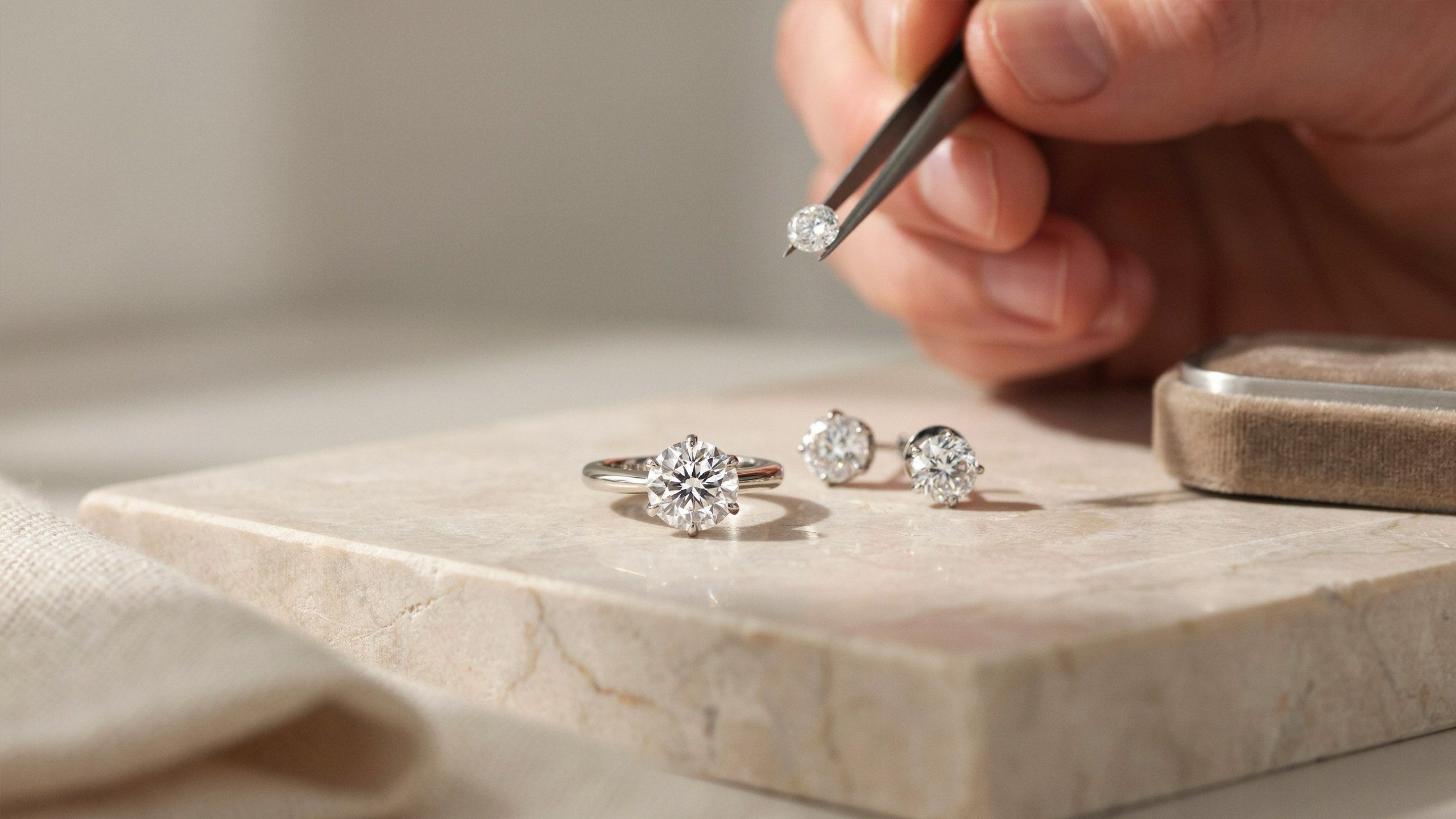
Lab-grown diamonds are particularly well suited to this moment. With essentially the same chemical, physical and optical properties as mined diamonds, they deliver the brilliance expected from diamond jewelry while typically costing less than comparable mined stones. That gives designers and shoppers more room to think about scale, shape and creativity. Instead of asking how little diamond a design can get away with, they can consider how much the design actually needs.
Scale Creates New Possibilities
Diamond jewelry has traditionally involved a series of compromises. Increase carat weight and the price can climb dramatically. Add more stones and an ambitious design may quickly become financially unrealistic. Lab-grown diamonds can change those calculations.
The difference is especially noticeable in designs that rely on multiple stones. Eternity bands, tennis bracelets, rivière necklaces and elaborate earrings need diamonds repeated across a larger surface. When the stones themselves become more accessible, designers can create greater visual impact without depending on tiny accents.
That does not mean every piece needs to become enormous. Modern luxury is increasingly about proportion rather than sheer size. A substantial diamond might be balanced by a restrained setting, while dozens of smaller stones can turn a simple silhouette into a glittering statement.
Hoops Get a Diamond Upgrade
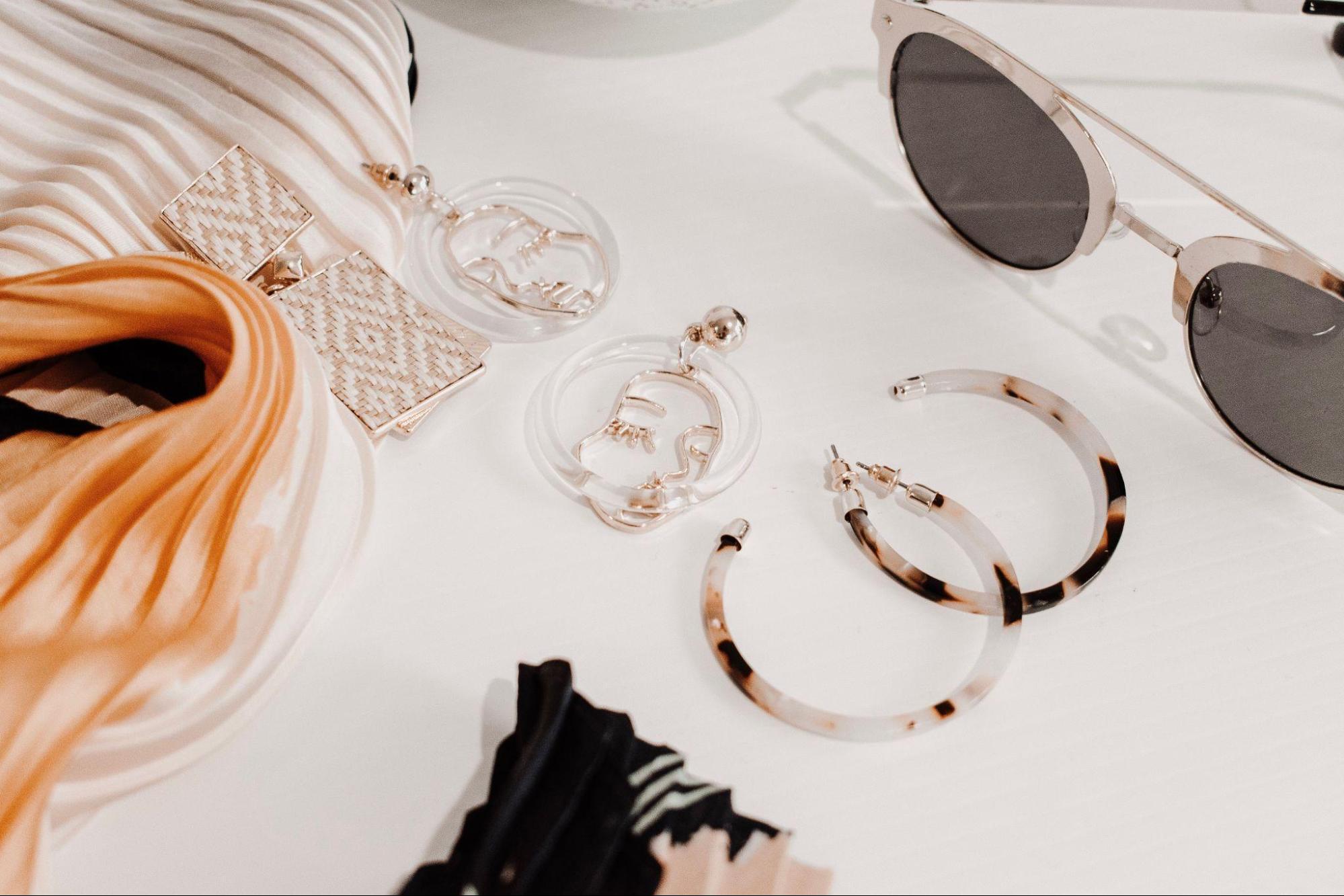
Few pieces demonstrate the appeal of modern diamond design better than hoops. Once primarily associated with plain gold or silver, they now appear in pavé styles, inside-out settings, sculptural shapes and substantial silhouettes covered in stones.
A pair of lab-grown diamond hoop earrings can provide enough brilliance to become the focus of an outfit while retaining the versatility that makes hoops an everyday staple. Smaller versions work with office dressing and casual clothes, while oversized or heavily set designs can replace traditional evening earrings altogether.
Lab-grown stones also allow designers to rethink how diamonds appear on the hoop itself. Stones can graduate in size, cover both the interior and exterior surfaces or alternate between different cuts. Oval, pear and marquise shapes can create texture and movement that a conventional row of round stones cannot.
The result feels less like a formal diamond accessory and more like fashion jewelry made with exceptional materials.
Gold Looks Fresh Again
Gold never disappeared from fine jewelry, but designers continue finding ways to make it feel new. Chunkier silhouettes, mixed textures, sculptural forms and unexpected combinations of yellow and white metals have moved gold away from overly coordinated sets.
Current gold jewelry trends also provide an ideal backdrop for lab-grown diamonds. A wide yellow-gold ring can hold an emerald-cut diamond horizontally rather than vertically. A substantial gold chain can feature a diamond clasp intended to remain visible. Thick hoops can use scattered stones rather than a perfectly uniform pavé surface.
Diamonds can also soften the visual weight of heavier gold pieces by introducing light and contrast. Instead of covering an entire design in stones, a designer might use a few strategically placed diamonds to interrupt a polished metal surface.
Mixing metals adds another dimension. The old expectation that every ring, bracelet and necklace should share the same metal has weakened considerably. Diamonds help connect those combinations because their colorless appearance works naturally against yellow gold, white gold, rose gold and platinum.
Shapes Become the Statement
Round diamonds remain enduring, but modern jewelry design has embraced shapes that create stronger visual identities. Emerald cuts feel architectural. Pear shapes add movement. Marquise diamonds create length and drama, while ovals offer substantial surface presence with softer lines.
Lab-grown diamonds make experimenting with these shapes more approachable, particularly when a design requires several matching or complementary stones. A ring might combine different cuts instead of building everything around a single center diamond. Earrings can use asymmetry deliberately, with related shapes appearing on each side rather than identical arrangements.
Settings are changing along with the stones. East-west orientations turn familiar diamond shapes sideways. Bezel settings create sleek outlines that can feel more contemporary than traditional prongs. Floating and scattered arrangements give diamonds space rather than packing them into predictable patterns.
These choices allow the diamond itself to become part of the design language instead of simply serving as decoration.
Diamonds Enter Everyday Fashion
Perhaps the most modern development is that diamond jewelry no longer needs to announce an occasion. A tennis bracelet can share a wrist with a watch. Diamond hoops can be worn with denim. A substantial ring can become an everyday signature rather than something saved for dinner reservations.
Lab-grown diamonds support that freedom because they encourage shoppers to think about building a jewelry wardrobe rather than purchasing a single ceremonial piece. One person might start with studs and eventually add hoops, a bracelet and a sculptural ring. Another might skip the classics entirely and choose one spectacular necklace.
Modern jewelry is becoming more personal, experimental and wearable. Lab-grown diamonds fit naturally into that evolution, giving designers more freedom to play with proportion and giving shoppers more opportunities to wear diamonds exactly as they please.