Many people are curious about Elon Musk’s hair transplant because his hair looks very different today than it did during his PayPal years.
His fuller hairline has led to years of discussion, but Elon Musk has never confirmed having a hair restoration procedure. If you are wondering what may have changed and whether similar results are possible, this guide can help.
We will look at his hair loss timeline, before-and-after photos, expert opinions, possible treatments, estimated costs, and the lessons people can learn from his transformation.
The information is based on publicly available photos and expert analysis, helping you separate facts from speculation.
Did Elon Musk Get a Hair Transplant?
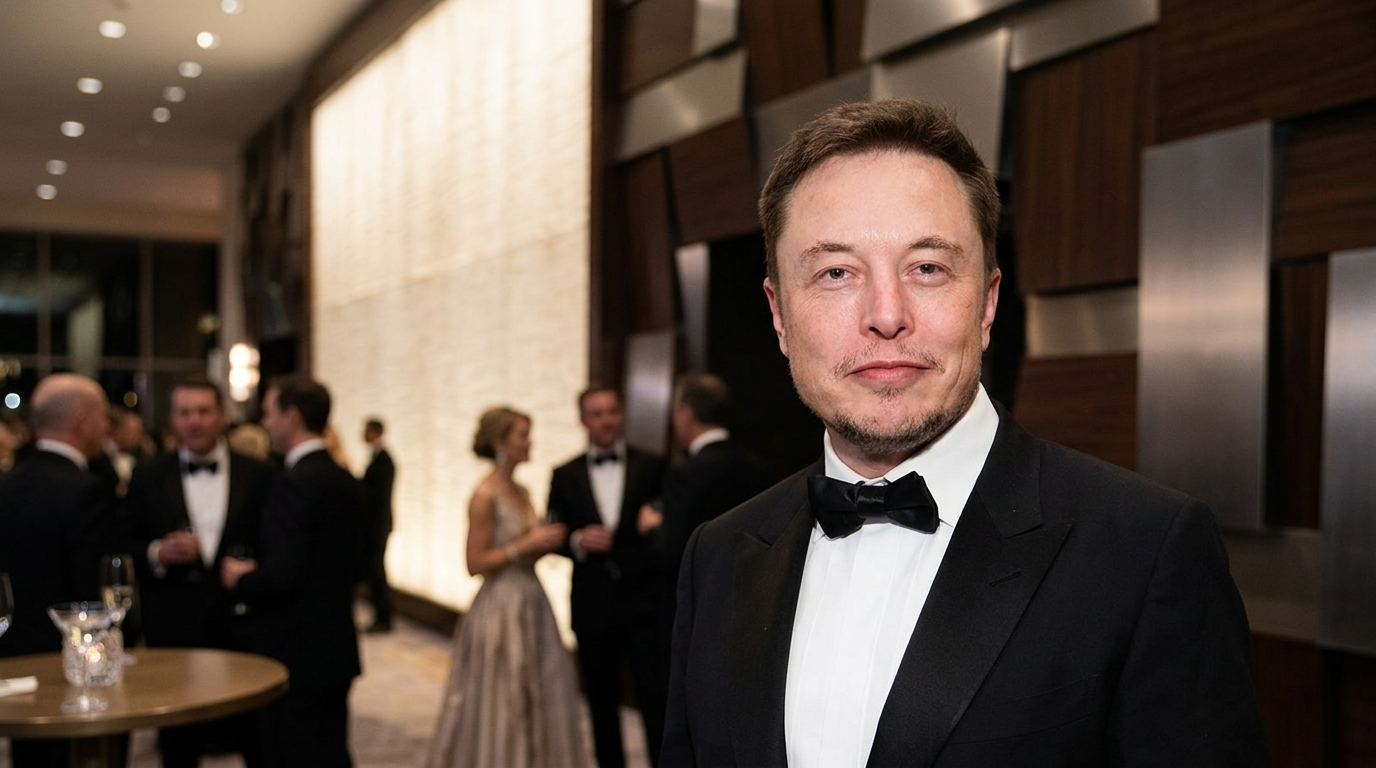
There is no official confirmation that Elon Musk has had a hair transplant, so no one can say for certain what treatments, if any, he has received.
However, many hair restoration surgeons believe he likely underwent some form of hair restoration after comparing photos from different stages of his life.
Images from his PayPal years show a noticeably receding hairline, while later photos reveal fuller hair and improved density, which has fueled years of discussion.
It is important to remember that these observations are based on visible changes and expert analysis rather than statements from Musk himself.
Lighting, hairstyles, and camera angles can also affect how hair appears, so the available evidence points to informed speculation, not confirmed fact.
Elon Musk Hair Loss Timeline
Looking at photos from different stages of Elon Musk’s life shows how much his hair has changed over the years. While he has never confirmed any treatment, the differences are quite visible.
Early 1990s: Full Hair During College Years
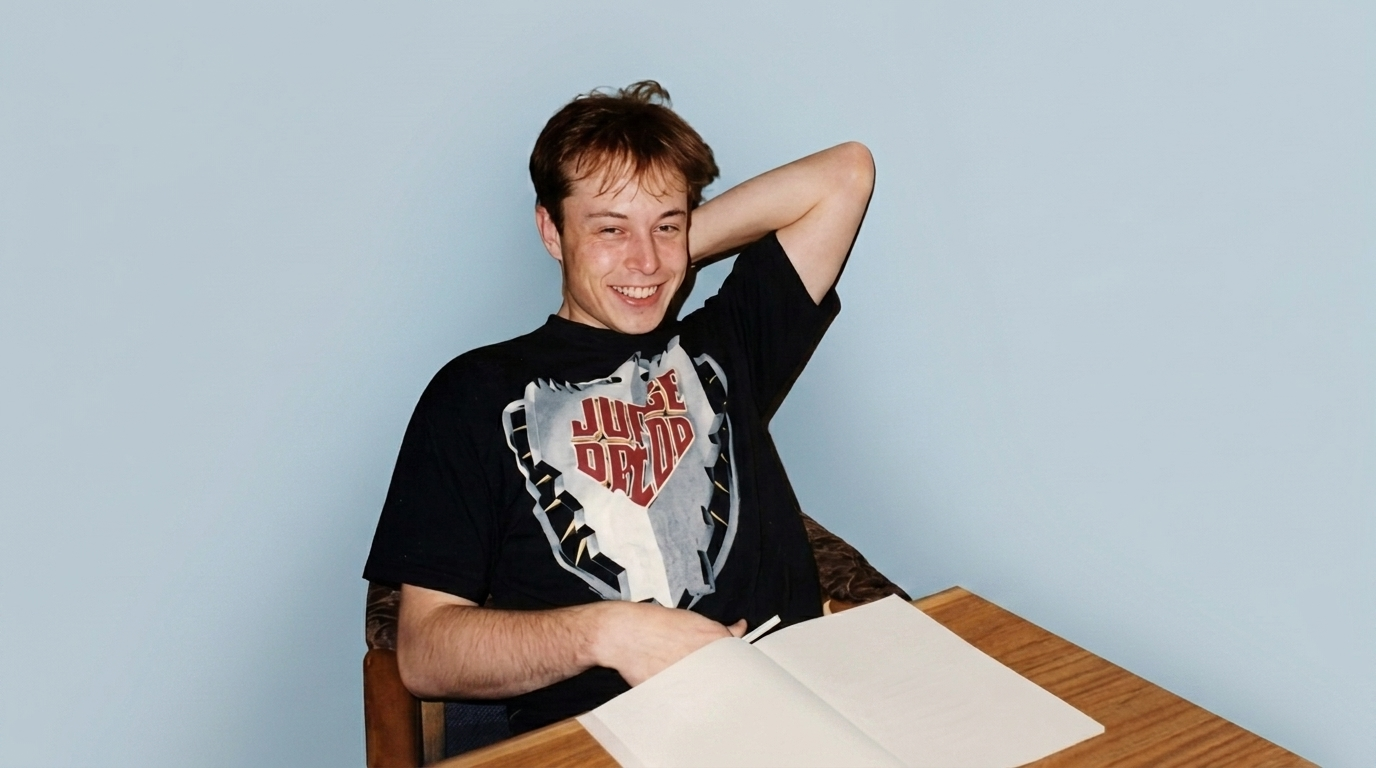
Photos from Elon Musk’s college years show a naturally full head of hair with a youthful hairline and good overall density.
There are no obvious signs of thinning during this period, making it a useful starting point for comparing how his hair changed in the years that followed.
Late 1990s: Zip2 and PayPal Era
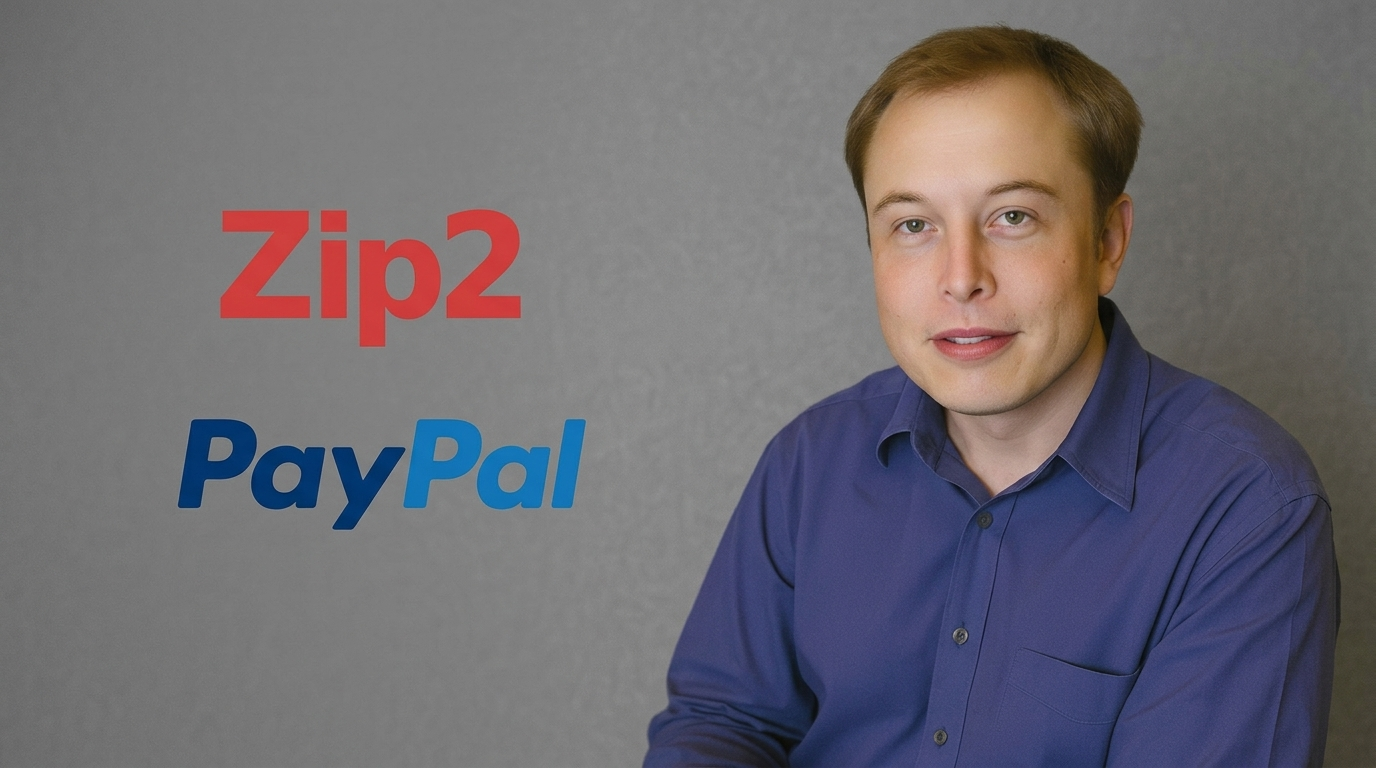
During the late 1990s, when Musk was building Zip2 and later PayPal, his hairline appeared to recede around the temples.
Photos from this time suggest the early stages of male pattern hair loss, with a noticeable M-shaped hairline becoming more visible in public appearances.
Early 2000s: More Noticeable Hair Loss
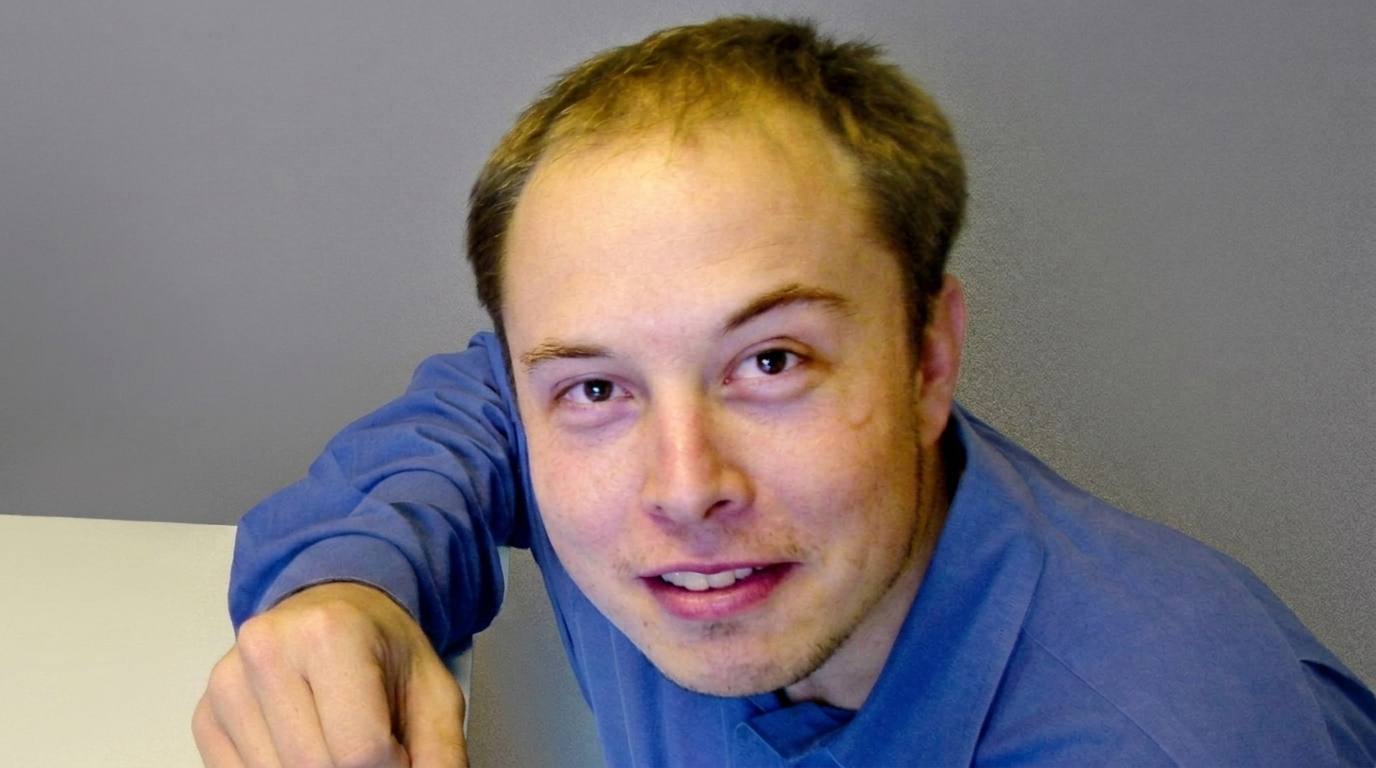
By the early 2000s, the thinning seemed easier to spot. His frontal hairline looked higher, and the overall density at the front appeared lower than in earlier years.
This stage is often highlighted by hair restoration experts when discussing their possible treatment journey.
Mid-2000s: Fuller Hair Begins to Appear

Around the mid-2000s, Musk’s hair started looking noticeably thicker and more even. His hairline appeared lower, while the front of his scalp showed better coverage than before.
These visible improvements are one reason many experts believe some form of hair restoration may have taken place.
2010s to Today: Stable and Natural Appearance
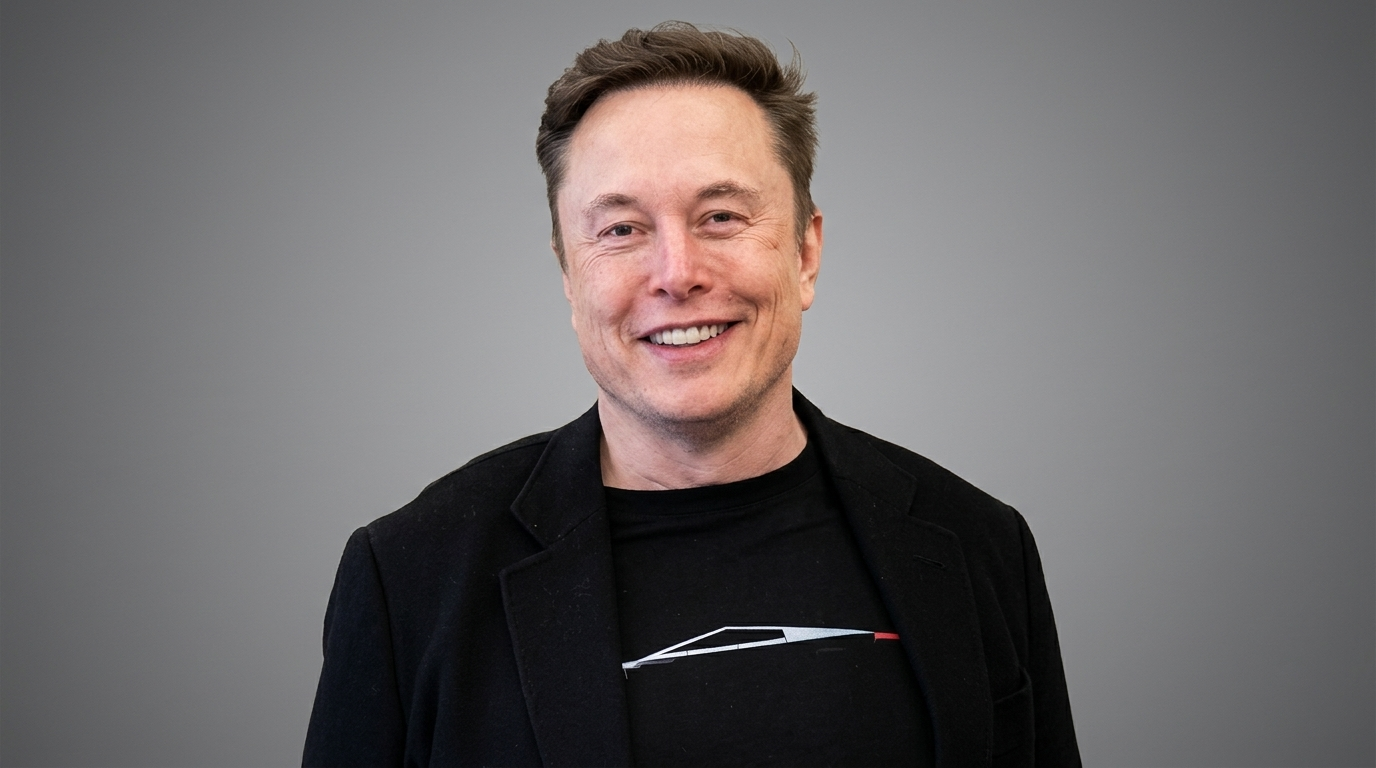
Over the past decade, Elon Musk has maintained a consistently full and natural-looking hairline. Unlike untreated male pattern baldness, which usually continues to progress, his hair has remained stable.
While this does not confirm a hair transplant, it continues to fuel discussion among hair restoration specialists.
Which Hair Transplant Method Did Elon Musk Likely Have?
Elon Musk has never confirmed undergoing a hair transplant, so the exact procedure, if any, is unknown. However, many hair restoration surgeons believe that if he did have treatment, it may have involved one or both of the two most common transplant techniques.
|
Feature |
FUT (Follicular Unit Transplantation) |
FUE (Follicular Unit Extraction) |
|
How it works |
A strip of skin containing healthy hair follicles is removed from the back of the scalp. The follicles are then separated into grafts and transplanted to thinning areas. |
Individual hair follicles are extracted directly from the donor area and implanted into areas with hair loss. |
|
Scarring |
Leaves a thin linear scar on the donor area that is usually hidden by longer hair. |
Leaves tiny dot-like scars that are much less noticeable and do not create a long linear scar. |
|
Recovery |
Recovery generally takes a little longer because the donor area requires stitches or staples. |
Recovery is usually quicker with less discomfort and no stitches. |
|
Popularity |
More commonly performed during the late 1990s and early 2000s. |
Has become the preferred method for many surgeons because it is minimally invasive and offers natural-looking results. |
|
Typical price |
Usually ranges from $4,000 to $10,000 depending on the number of grafts and clinic. |
Usually ranges from $5,000 to $15,000 or more, especially for larger sessions or premium surgeons. |
|
Why do experts mention it for Elon Musk |
Some specialists believe an early FUT procedure could explain the initial improvement in his hairline during the 2000s. |
Others suggest a later FUE procedure may have refined the hairline and added density as newer techniques became widely available. |
Elon Musk Before and After Hair Transformation: What Experts Notice
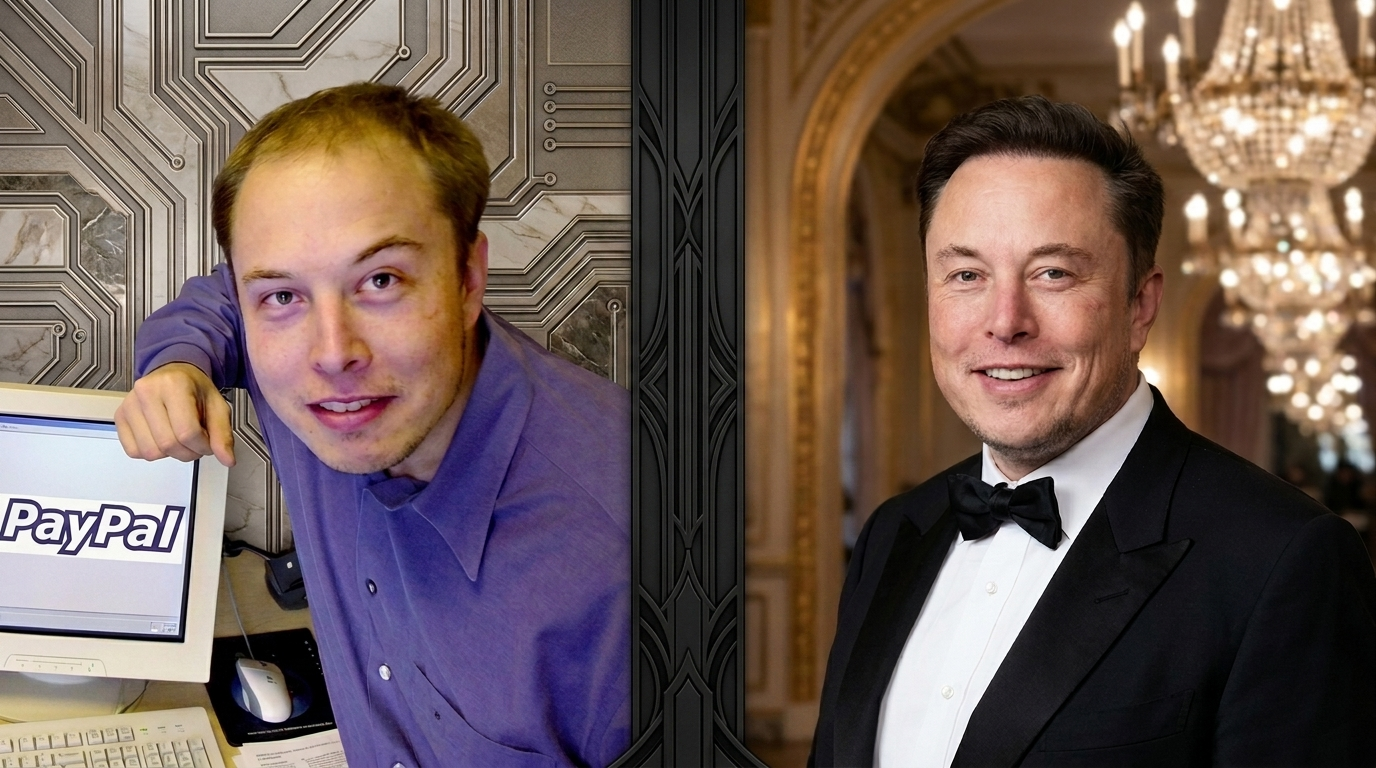
When comparing Elon Musk’s older and newer photos, several visible changes stand out. Their observations are based on publicly available images rather than confirmed medical information.
- Frontal hairline: Earlier photos show a higher, more receded hairline, especially during the PayPal years. In more recent appearances, the hairline looks lower and more evenly shaped, creating a fuller look across the forehead.
- Temple recession: The deep recession around both temples seen in older photos appears much less noticeable today. This change gives the hairline a more balanced appearance, although hairstyles and photo angles can also influence how it looks.
- Hair density: One of the biggest differences is the overall thickness of his hair. Recent photos show fuller coverage at the front and mid-scalp, which is why many experts believe hair restoration is a likely explanation.
- Crown appearance: The crown has rarely shown obvious signs of significant hair loss in public photos. Because there are limited clear images of this area over the years, experts mainly focus their analysis on changes to the front hairline.
- Long-term stability: Male pattern baldness usually progresses over time without treatment.
- Natural-looking results: If hair restoration was performed, experts often point to the soft hairline shape and even density as signs of careful planning.
However, photos alone cannot confirm whether someone has had a hair transplant. Factors like lighting, hairstyles, camera angles, and image quality can all affect how hair appears, so any conclusions remain informed speculation rather than confirmed fact.
Did Elon Musk Use Hair Loss Medications Too?
Elon Musk has never said whether he uses hair loss medications, so there is no confirmed information about his treatment.
However, many hair restoration surgeons believe that medications such as finasteride and minoxidil could help explain how his hair has remained full over the years if he had undergone a transplant.
Finasteride is commonly prescribed to slow male pattern baldness, while minoxidil may encourage hair growth and improve thickness.
These treatments are often used together because they can help protect existing hair and support long-term results. If Musk had hair restoration, experts believe ongoing medication could have helped maintain its appearance.
Could Elon Musk’s Hair Have Improved Without Surgery?
Because Elon Musk has never confirmed having a hair transplant, other explanations are possible. Still, many specialists think they do not fully account for the change in his hairline.
- Medication: Finasteride and minoxidil can slow hair loss and improve thickness, but they usually cannot create a major new hairline on their own.
- Hairstyling: A different cut or styling can make hair look fuller and hide thinning areas.
- Lighting: Photos, shadows, and camera quality can make hair appear thicker or thinner.
- Hair fibers or cosmetic products: These can temporarily make hair look denser by covering the scalp.
- Photography angles: Different angles can hide or reveal thinning, which can affect how his hair looks in photos.
Overall, these factors may help explain some of the differences, but many hair restoration experts still believe hair restoration is the most likely explanation.
Conclusion
The Elon Musk hair transplant discussion continues because his appearance has changed so much over the years, even though he has never confirmed any hair restoration procedure.
By looking at photos, expert opinions, and common treatment options, it becomes easier to understand why many specialists believe hair restoration is a possible explanation.
If you are considering treatment for your own hair loss, use this information as a starting point and speak with a qualified specialist to explore your options.
Have thoughts or questions? Leave a comment, share this article, or explore more of our hair restoration guides.
Frequently Asked Questions
Can a hair transplant prevent future hair loss?
No. A hair transplant moves healthy follicles but does not stop future hair loss in untreated areas. Ongoing care may still be needed.
At what age do most people consider a hair transplant?
Many people consider a hair transplant between their late 20s and 40s after their hair loss pattern becomes more stable.
How long do transplanted hair follicles usually last?
Transplanted follicles are generally permanent because they come from hair that is naturally resistant to male pattern baldness.
Can women also get hair transplants?
Yes. Women with certain types of hair loss may be suitable candidates after evaluation by a qualified hair restoration specialist.
Is it possible to return to work soon after a hair transplant?
Many people return to desk jobs within a few days, although recovery time depends on the procedure and the surgeon’s advice.