When Florence Pugh CGI dress Oppenheimer controversy broke online, I was stunned. A black dress digitally added to cover nudity? In a Christopher Nolan film? I’ve watched Oppenheimer twice and followed the censorship debate closely, so I’m breaking down what really happened.
You’ll learn which countries got the edited version, why the CGI was added, and how viewers reacted.
This guide covers the India and Middle East censorship, the viral social media backlash, and what it means for Nolan’s filmmaking reputation.
I’m explaining the full story with facts, not speculation. Let’s get into it.
Florence Pugh CGI Dress Oppenheimer
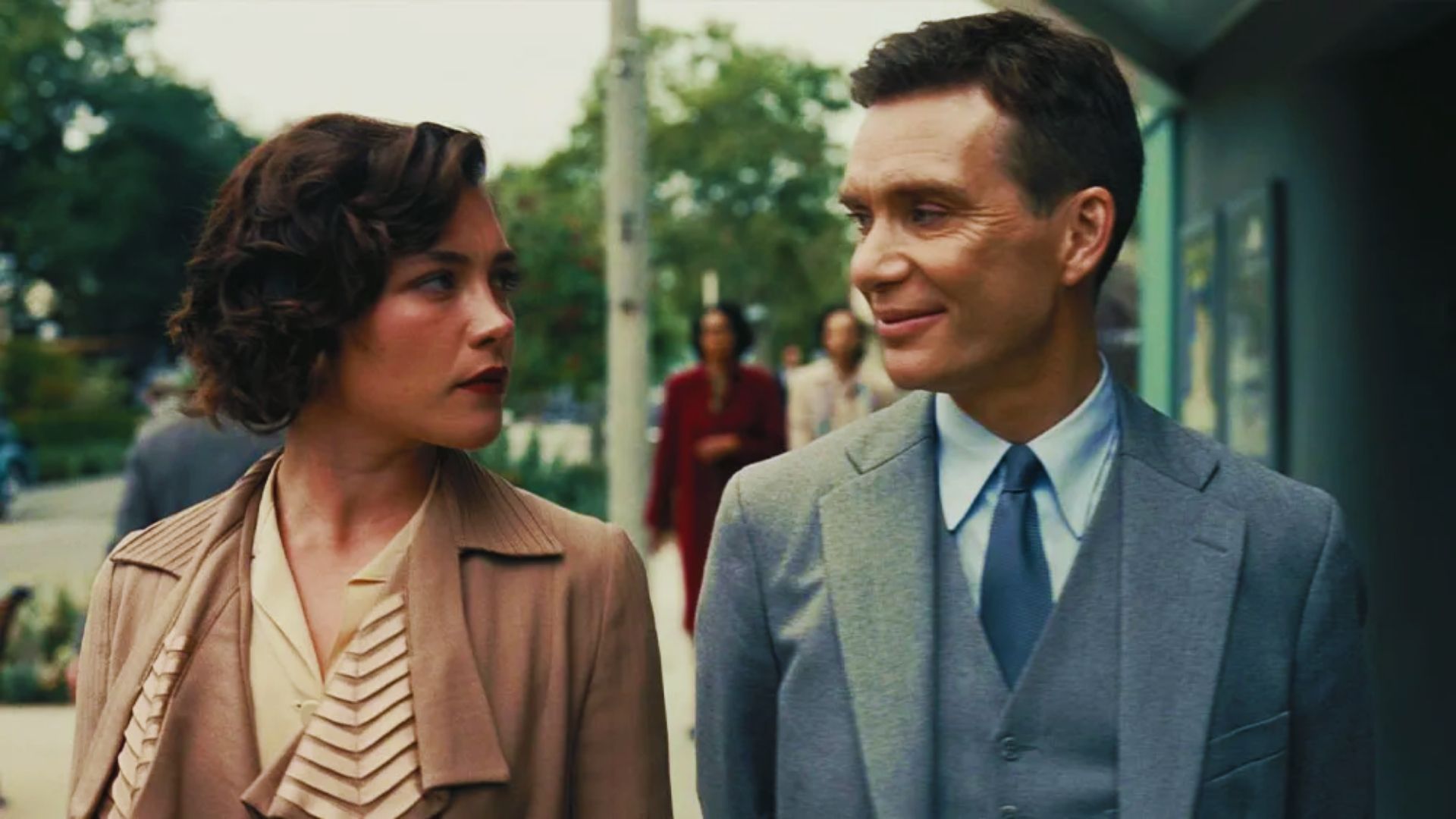
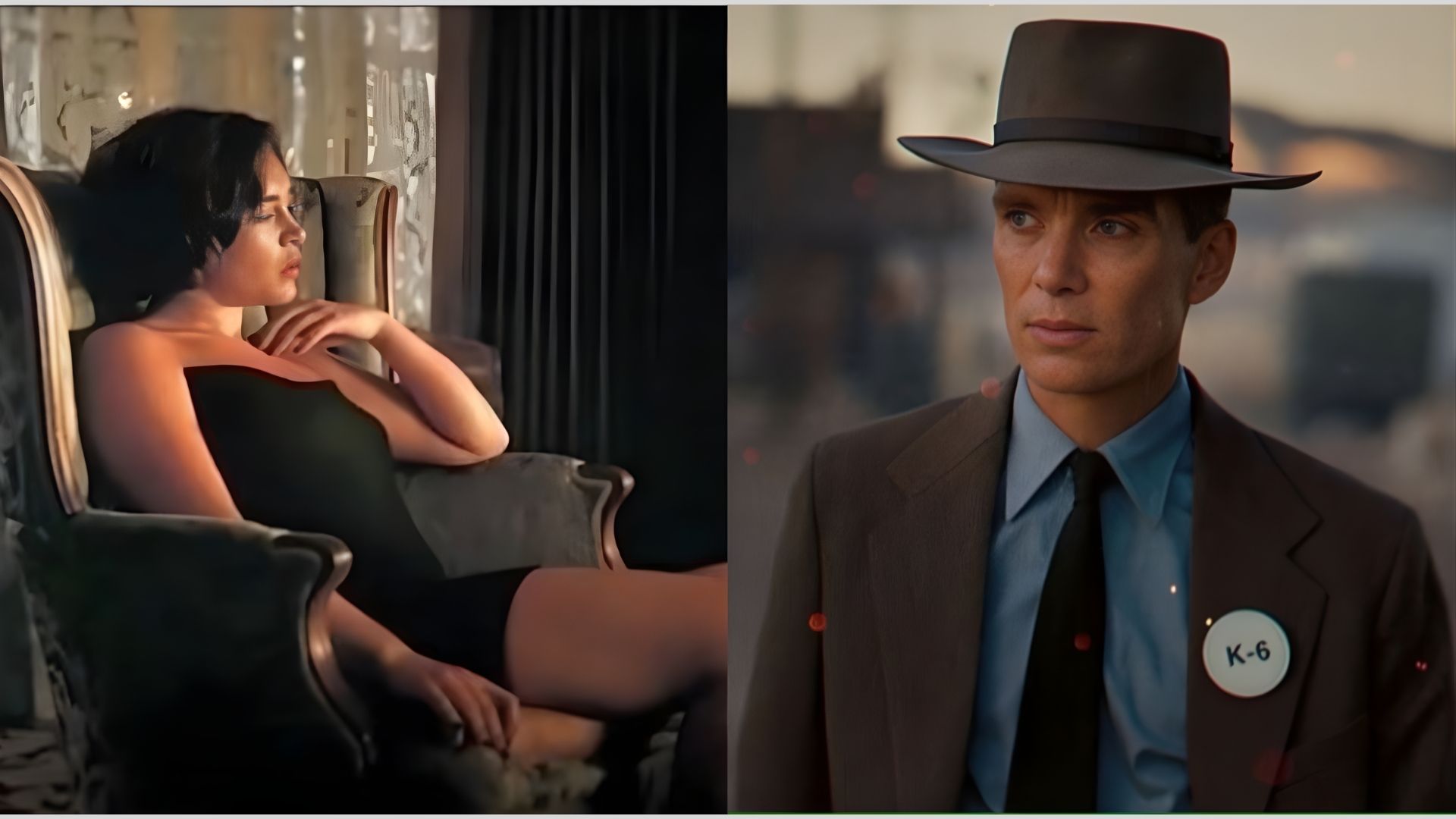
The scene shows Florence Pugh’s character Jean Tatlock in an intimate moment with Cillian Murphy’s J. Robert Oppenheimer. In the original US theatrical cut, Pugh appears topless during this sequence.
For certain international markets, a computer-generated black dress was digitally added to cover her body. Distributors chose this approach over cutting the scene entirely, which preserved the narrative flow and emotional beats.
India and several Middle Eastern countries have strict regulations prohibiting on-screen nudity in theatrical releases. Creating an edited version allowed Oppenheimer to screen in these major markets without losing theatrical distribution completely.
This is standard practice for Hollywood films releasing internationally in regions with censorship requirements.
Why Oppenheimer was Censored in India and Middle Eastern countries
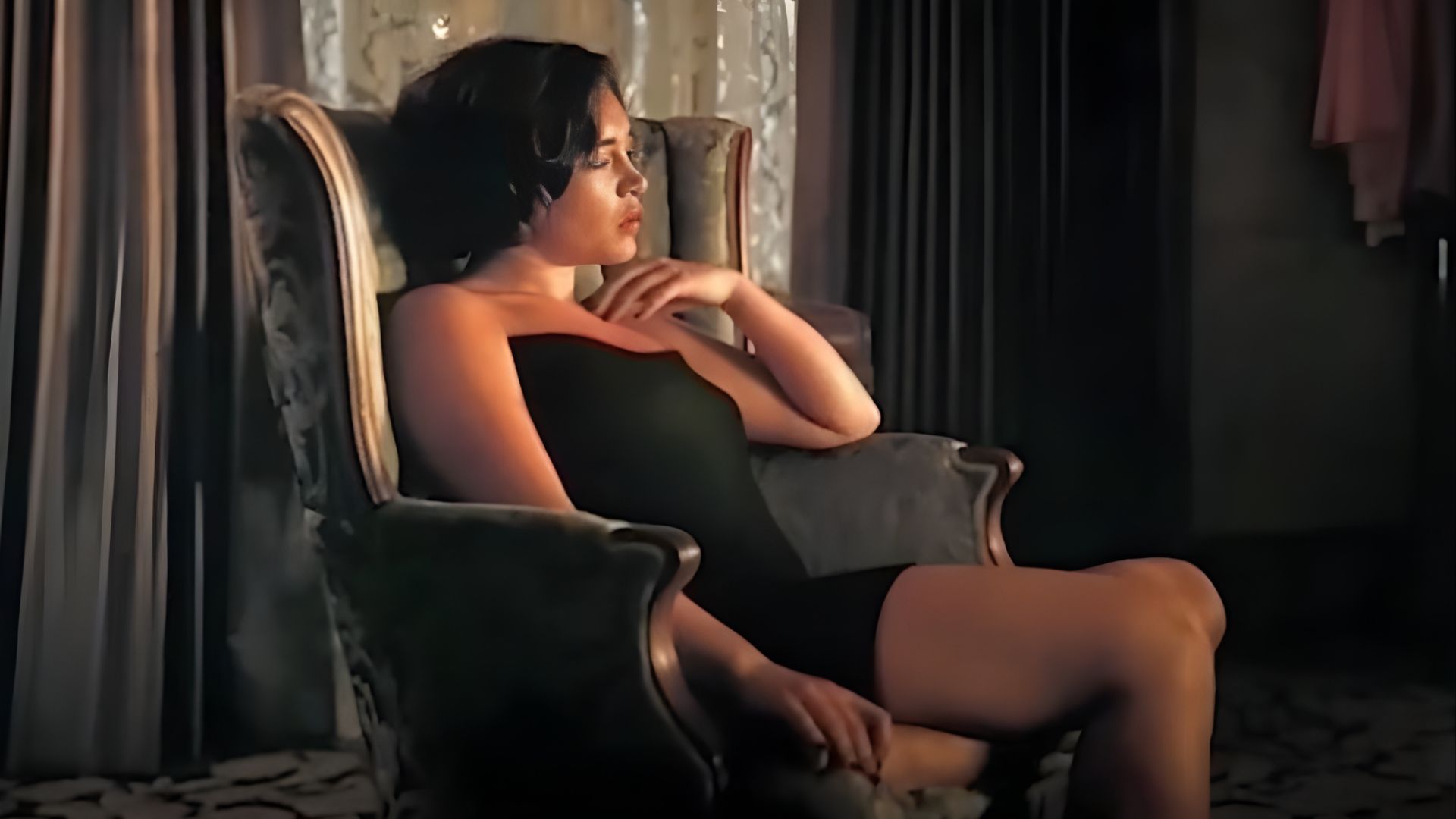
Different cultural standards and legal requirements for film content led to Oppenheimer’s censorship in India and Middle Eastern territories.
Local Rules on Nudity and Sexual Content in Cinemas
India’s Central Board of Film Certification sets guidelines for all theatrical releases. These rules prohibit explicit nudity and graphic sexual content in public cinema screenings. Films must be modified to fit within acceptable parameters.
Middle Eastern countries have similar or stricter regulations. Many nations in the region ban any depiction of nudity regardless of context. Sexual content is heavily restricted or completely prohibited.
These aren’t new rules. They’ve existed for decades. Hollywood studios know about them when planning international releases. Films regularly get edited for these markets.
India’s UA Certificate and What it Allows
Oppenheimer received a UA certificate in India. This stands for “Unrestricted Public Exhibition with Parental Guidance for children below 12 years.” It’s similar to a PG-13 rating in the US.
The UA certificate permits some mature content but has limits. Strong violence can be shown if it serves the narrative. Mild language is acceptable. But nudity and explicit scenes must be removed or altered.
The certification board reviews films scene by scene. They specify exact changes required for approval. Distributors must comply or the film won’t be certified for release.
How Censorship Differs from the US Theatrical Version
The US version shows the original unedited scenes as Christopher Nolan intended. The intimate scenes between Pugh and Murphy appear as filmed. No CGI alterations were added.
The R rating in America allows for nudity in appropriate contexts. Oppenheimer’s mature themes fit within R-rated parameters. American audiences saw the film exactly as Nolan created it.
The differences between versions are minimal overall. Most of the three-hour runtime remains identical. Only specific intimate moments involving Florence Pugh were changed for certain markets.
Which Countries Screened the CGI Dress Version
India, UAE, Saudi Arabia, Kuwait, Indonesia, and other conservative markets in Asia and the Middle East received the digitally edited version of Oppenheimer.
Oppenheimer Release with CGI Edits in India
India confirmed the release with CGI modifications from day one. The Central Board of Film Certification required changes before granting theatrical approval.
Indian viewers quickly noticed the alterations and shared screenshots comparing versions online. The film still performed well at the Indian box office despite the edits.
Reports of Altered Scenes in Middle Eastern Theatres
The United Arab Emirates and Saudi Arabia both screened modified versions. Reports from Kuwait and other Gulf countries indicated similar edits.
Each nation has its own certification process, but distributors often prepare one regional version to serve multiple Middle Eastern markets.
Viewer Reactions from Indonesia and Other Regions
Indonesian viewers posted on social media about noticing the CGI dress in their theatrical screenings. Malaysia and Singapore likely received similar edits based on their censorship board policies.
Some viewers didn’t realize they were watching an altered version until the controversy broke online. The film performed well across these markets despite censorship.
How the CGI Dress Controversy Started Online
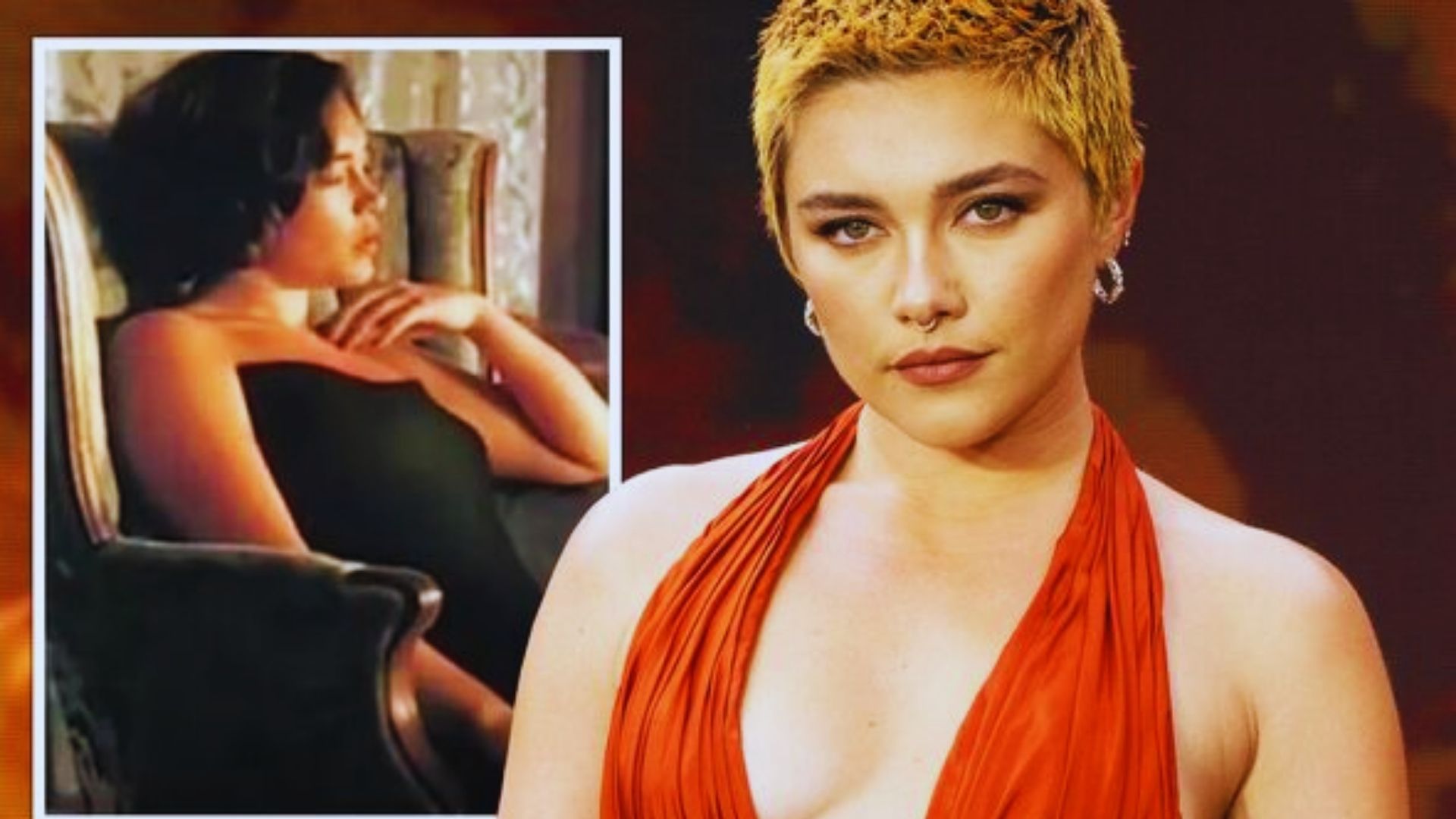
Screenshots comparing the original US version and edited international versions spread across social media, sparking widespread discussion about the digital alterations.
A Twitter user posted side-by-side comparison images showing the difference between versions. The post went viral immediately. Viewers from India, UAE, Indonesia, and other affected markets shared their experiences watching the edited version.
Film news websites picked up the story within days. Reactions split into several camps. Some found the CGI addition unnecessary while others defended it as a practical solution. Many expressed frustration with censorship in general.
The digital work was competent enough that many viewers didn’t notice during normal theatrical viewing. The black dress blended naturally with the dark cinematography. Only those who compared versions spotted the changes immediately.
Why the CGI Dress Sparked Debate About Christopher Nolan’s Filmmaking
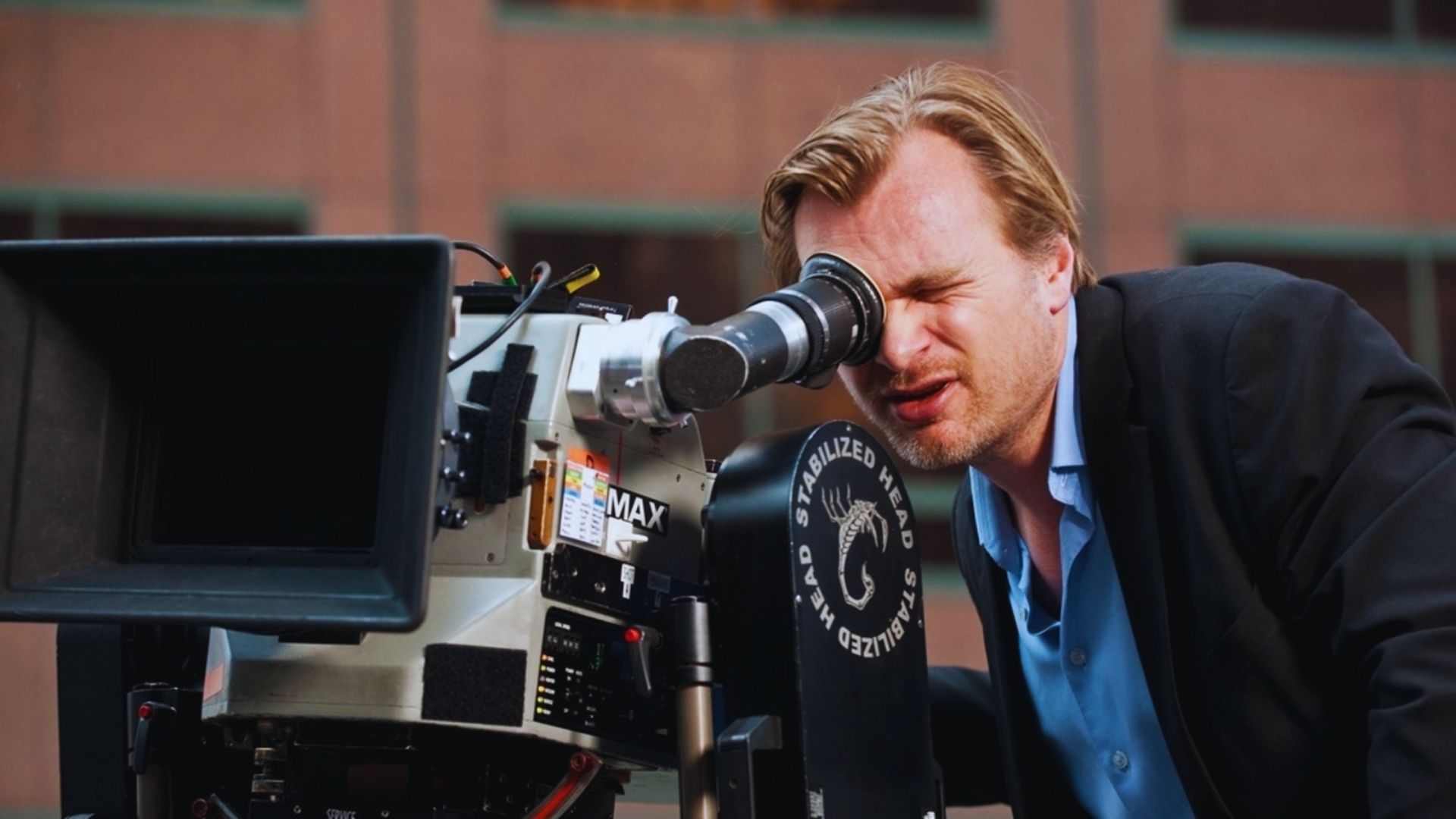
The digital edit seemed contradictory to Nolan’s well-known preference for practical effects and minimal CGI, creating irony that fans highlighted online.
Nolan’s Public Stance on Avoiding Heavy CGI
Christopher Nolan is famous for using practical effects whenever possible. He’s spoken repeatedly in interviews about preferring real stunts and in-camera techniques.
Oppenheimer features minimal computer effects overall, with Nolan recreating the Trinity test using practical explosions. This makes the CGI dress addition feel especially contradictory to fans.
Why the Digital Edit Feels Ironic to Many Fans
Fans pointed out this irony loudly on social media. “A Christopher Nolan film with CGI clothing” became a running joke online.
The edit was done without Nolan’s direct involvement. Distributors handled the regional modifications, but his name remains on the film.
Difference Between Creative Choices and Regional Compliance Edits
Nolan’s creative decisions about CGI are intentional artistic choices he controls in his original cut. Regional edits happen after the director’s work is complete as business decisions.
This distinction matters when evaluating the controversy. The CGI dress wasn’t Nolan’s choice but a requirement imposed by external censorship boards.
Other Changes Made to Oppenheimer for Regional Releases
Beyond the CGI dress, Oppenheimer received additional edits including scene cuts and dialogue modifications for different international markets.
Heavily Edited Intimate Scenes Involving Florence Pugh
The CGI dress wasn’t the only modification to Florence Pugh’s scenes. Several intimate moments were trimmed or removed entirely in various regional versions.
One scene was completely removed from releases in conservative markets. These cuts reduced the film’s runtime slightly, amounting to a few minutes total.
How Distributors Modify Films to Meet Local Certification Rules
Distributors modify films to meet local certification rules as standard practice. Studios create master versions, then distributors prepare regional cuts as needed.
Common modifications include trimming violence, removing sexual content, and editing religious references. Studios accept these compromises as part of global distribution strategy.
Conclusion
I still think the Florence Pugh CGI dress Oppenheimer situation shows how tricky global film distribution gets.
After researching this, I respect the practical choice to add the dress rather than gut the scene completely. But it also frustrates me that artistic vision gets compromised for market access.
If you watched the edited version and want to see what Nolan actually made, check out the full cut.
Have you noticed censorship in other films? Drop a comment below and let’s discuss it.
Frequently Asked Questions
Was the Florence Pugh CGI dress added by Christopher Nolan?
No, regional distributors made the digital edit to comply with censorship requirements. Nolan’s original cut had no CGI alterations.
Which version of Oppenheimer shows the original scenes?
The US theatrical release and most Western markets showed the original unedited version. India, Middle Eastern countries, and parts of Asia received the edited version.
Did Florence Pugh comment on the CGI dress controversy?
No, Florence Pugh has not publicly commented on the controversy. Christopher Nolan also hasn’t made official statements about the edits.
How much of Oppenheimer was censored in affected regions?
Several minutes of intimate scenes were removed or modified. The CGI dress was the most noticeable change with minimal overall runtime differences.
Can you watch the uncensored Oppenheimer version online?
Yes, the uncensored version is available on streaming platforms like Apple TV and Amazon Prime Video. Check your region’s availability.