Not every dress gets remembered 70 years later. I have been writing about classic Hollywood fashion long enough to know that.
The Grace Kelly Rear Window dress is one of the rare few that still gets talked about today, and I want to tell you exactly why.
It hit screens in 1954 and changed how people thought about movie costumes.
In this post, I’ll cover the design, the person who made it, and why it still comes up in fashion conversations today.
I write about film fashion from real research and genuine love for the subject. You’ll leave with a clear, full answer.
Grace Kelly and the Dress That Defined a Film
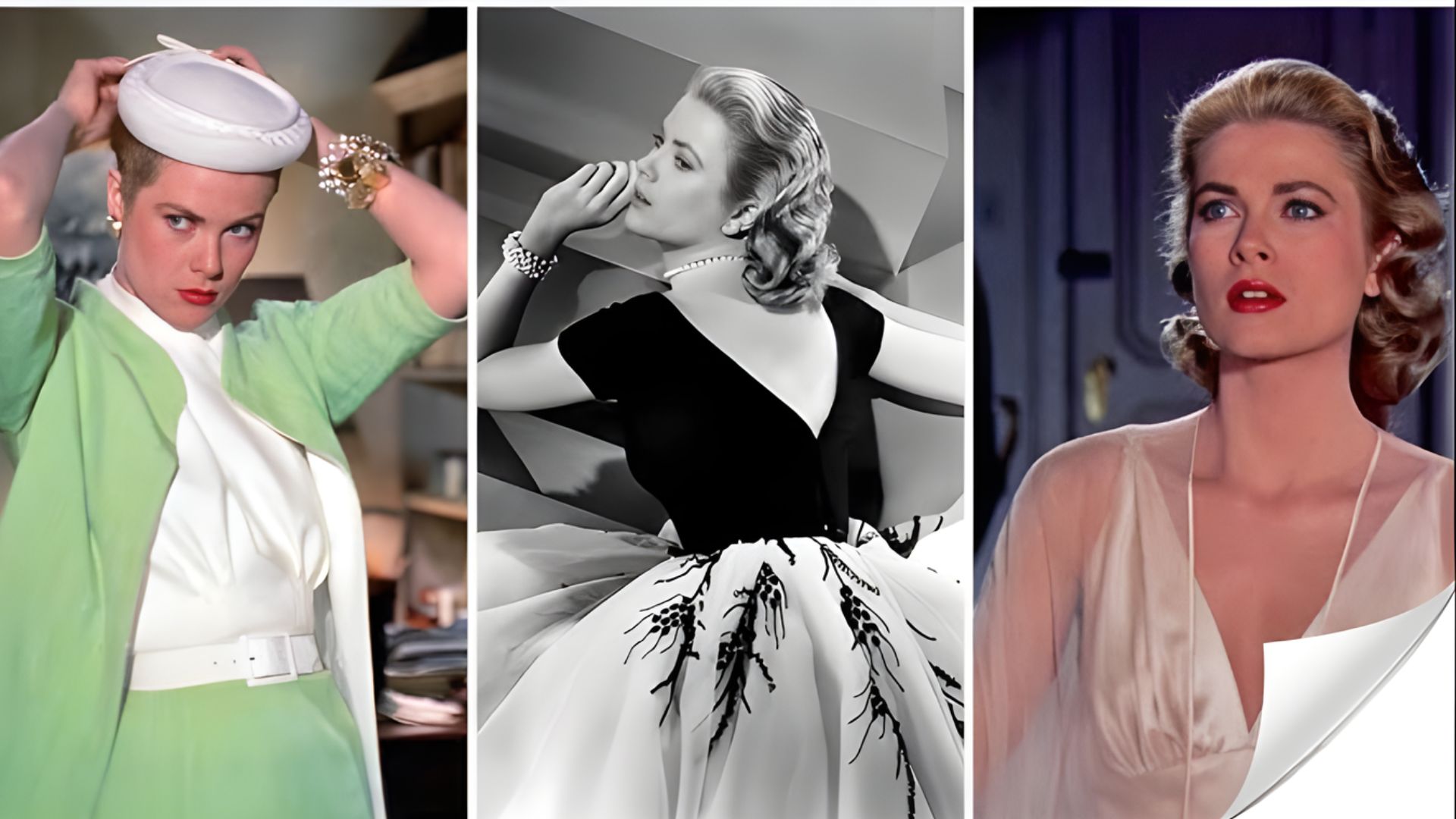
Grace Kelly was already turning heads in Hollywood when Rear Window came out in 1954. But this film gave her something different.
It gave her a wardrobe that told a story on its own. The Grace Kelly Rear Window dress became the centerpiece of that wardrobe.
It was black and white, off the shoulder, and full skirted. It looked like it belonged in a fashion magazine, not a small New York apartment.
Hitchcock knew what he was doing when he put her in it. The dress set Lisa Fremont apart from every other character on screen, and it did that job perfectly.
Historical Context of the Dress in Rear Window
The 1950s were a turning point for both Hollywood and fashion, and Rear Window arrived right at the center of that shift.
Fashion and Hollywood in the 1950s
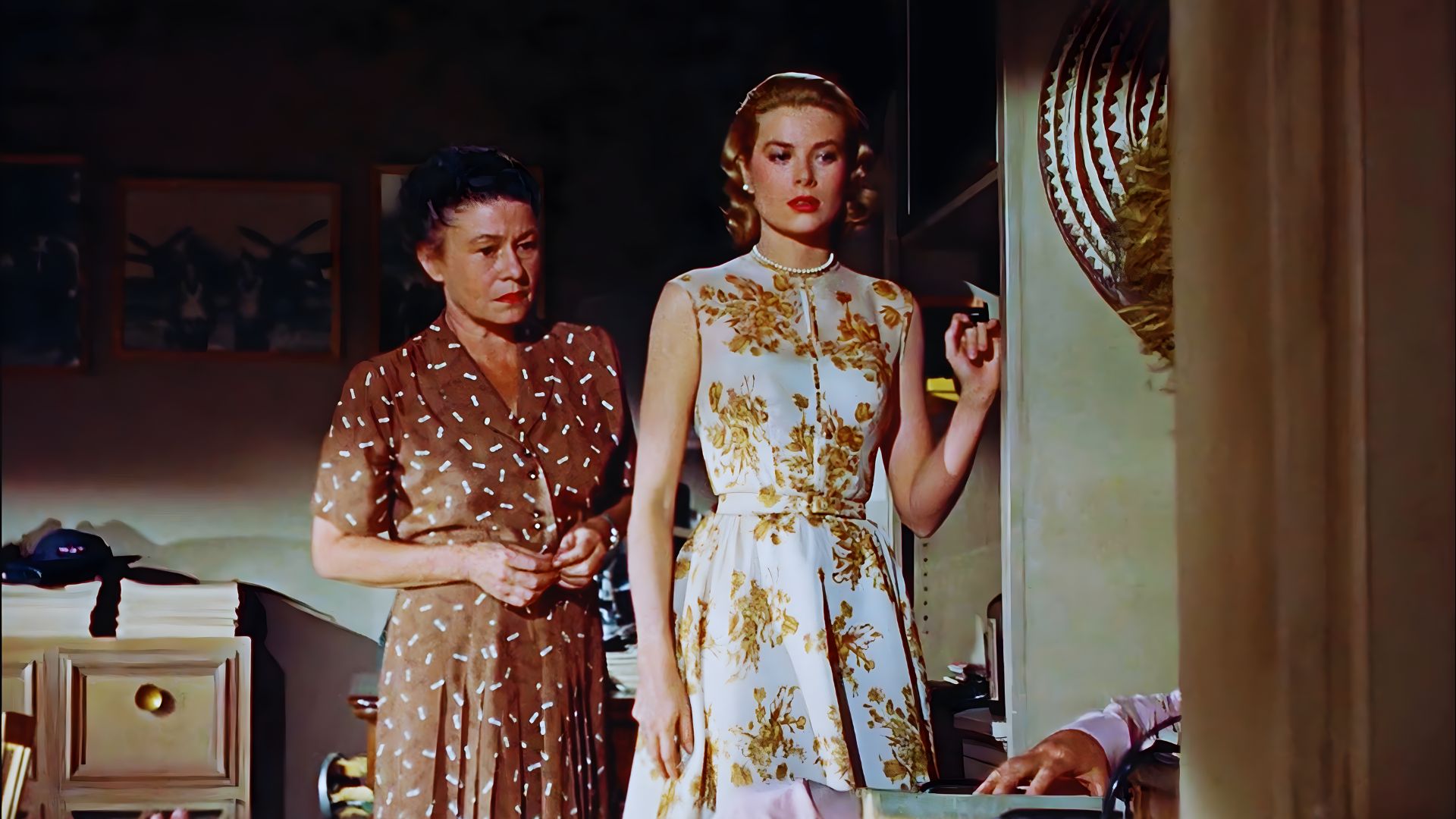
After World War II, fashion shifted hard toward femininity. Full skirts, nipped waists, and structured silhouettes became the norm.
Women wanted glamour again. Hollywood played a big role in spreading these trends worldwide. Films worked like moving fashion shows.
What actresses wore on screen ended up in stores and closets across the country. Rear Window came out at the height of this shift, and Grace Kelly’s wardrobe matched the moment.
Hitchcock’s Vision for Character Style
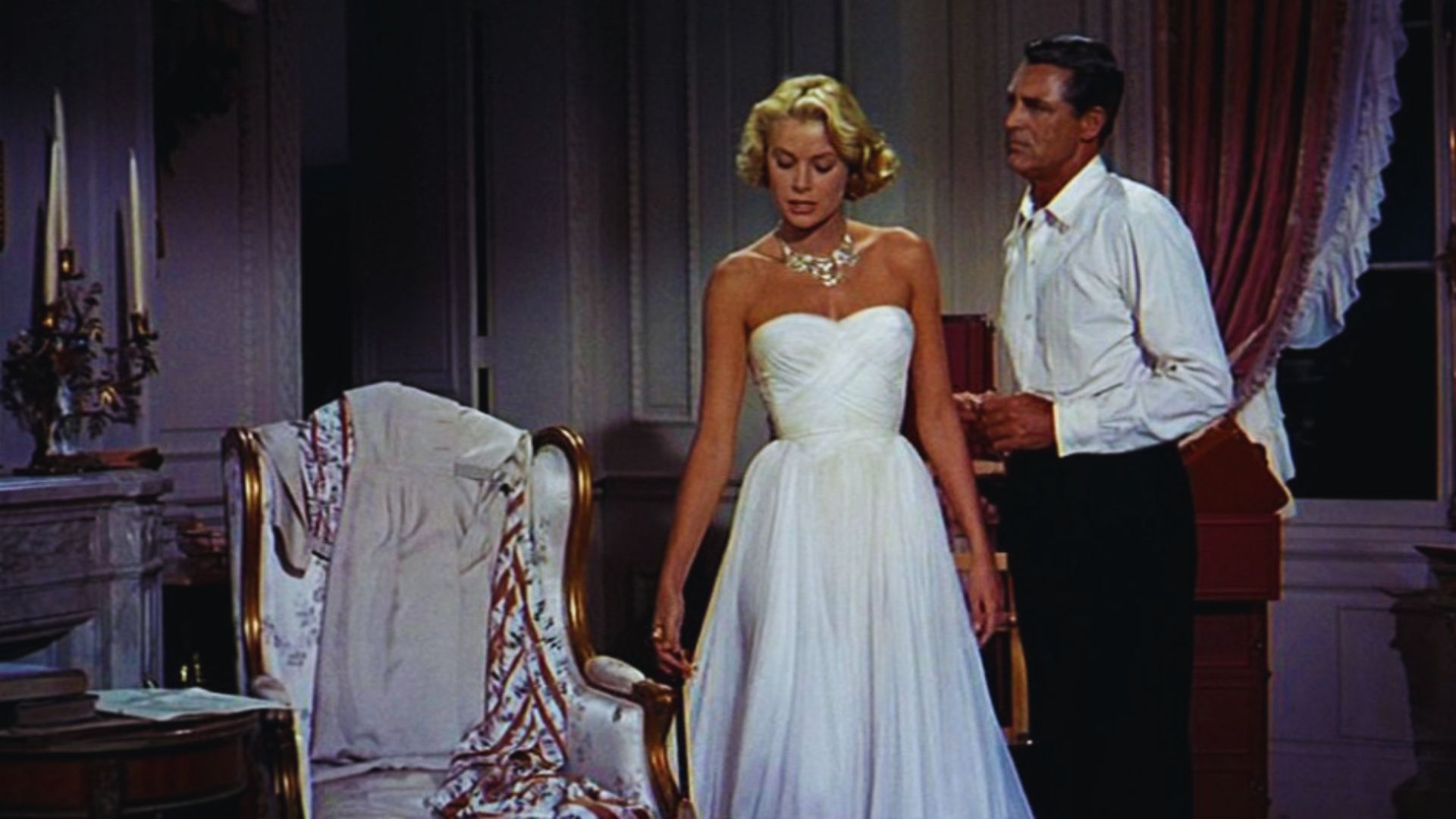
Alfred Hitchcock paid close attention to what his actors wore. Costumes were not an afterthought for him.
They were part of the story. In Rear Window, Lisa’s wardrobe showed how different she was from Jeff. He wore casual, worn-in clothes.
She arrived in evening wear and pearls. That contrast made the tension between them feel real. Hitchcock used style as a storytelling tool, and it worked every time.
Who Designed the Grace Kelly Rear Window Dress?
One name is behind every outfit Grace Kelly wore in Rear Window, and that name is Edith Head.
Edith Head’s Costume Design

Edith Head was one of the most respected costume designers in Hollywood. She won eight Academy Awards, more than any other woman in Oscar history at the time.
For Rear Window, she worked closely with both Hitchcock and Grace Kelly to build a wardrobe that felt real and intentional.
Head knew how to use clothing to say something without words. Her work on this film is still studied in fashion and film programs today.
How Costume Design Supported the Story
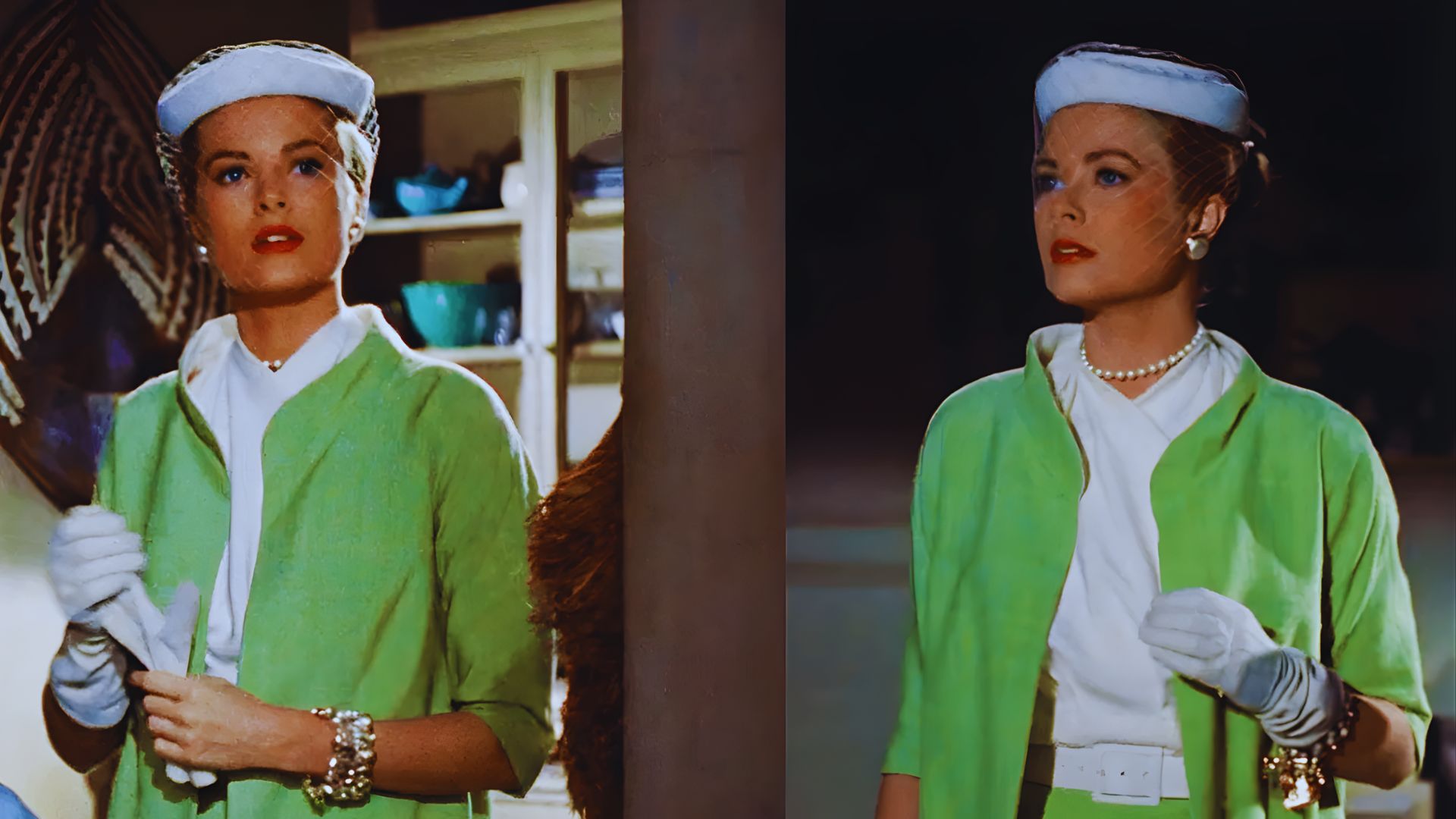
Costume design does more than dress an actor. It tells the audience who that person is before they even speak.
In Rear Window, Lisa’s clothes signaled wealth, confidence, and a desire to be taken seriously. Every piece she wore said something about her place in society.
Edith Head built that story through fabric and fit. The result was a character that felt fully formed just by looking at her on screen.
Design Details of the Grace Kelly Rear Window Dress
The dress itself is a study in contrast, and every detail was chosen with purpose.
The Black-and-White Evening Dress

The dress featured an off-the-shoulder black bodice paired with a full white skirt made from chiffon or tulle.
The waist was pulled in tight, giving the silhouette a sharp, defined shape. That contrast between black and white was striking on screen.
The off-the-shoulder cut added a sense of occasion without going too far. It was formal but not overdone. Every line of it felt conidered and precise.
Accessories That Completed the Look

No outfit on screen is complete without the right accessories. Lisa wore a classic pearl necklace that softened the bold black-and-white contrast.
White gloves brought a sense of occasion. Black heels kept the look grounded. And red lipstick pulled everything together.
Each piece was simple on its own, but together they created something that felt complete. The accessories did not fight for attention. They worked with the dress, not against it.
Fashion Significance of the Grace Kelly Rear Window Dress
This dress did not just look good in 1954. It shaped how people thought about fashion for years after.
Influence on 1950s Fashion

The 1950s were all about structure and shape. Women dressed to look put-together, and this dress fit that moment well.
The full skirt, defined waist, and off-the-shoulder cut matched what the era celebrated. But Grace Kelly wore it with an ease that set it apart.
She made formal dressing look effortless. That mix of structure and ease became something designers kept returning to long after the film ended.
Cultural and Fashion Legacy

Film historians and fashion designers still talk about this dress. It shows up in retrospectives, museum exhibits, and style guides.
Few costumes from the 1950s have lasted this long in cultural memory. The Grace Kelly Rear Window dress worked because it was not just fashionable. It was meaningful.
It was tied to a character, a story, and a defined moment in film history. That connection is what keeps it relevant today.
Why the Grace Kelly Rear Window Dress Remains Iconic

Some outfits just stick. The Grace Kelly Rear Window dress is one of them. It worked on every level.
The design was strong. The styling was sharp. And the person wearing it made it unforgettable.
Grace Kelly brought a kind of presence to that dress that no reproduction has ever quite matched.
Decades later, it still shows up in fashion conversations, museum collections, and film studies courses.
It reminds people that great costume design is also great storytelling. That is a hard combination to find, and this dress had both.
Conclusion
I have a real soft spot for classic Hollywood fashion, and the Grace Kelly Rear Window dress sits near the top of my list.
Something about the way it was designed and worn still feels fresh every time I revisit it.
If you learned something new today, I would love to hear your thoughts. Drop a comment below and tell me your favorite classic Hollywood look.
And if you enjoyed this post, share it with someone who loves film fashion as much as you do.
Frequently Asked Questions
What is the Grace Kelly Rear Window dress?
A black-and-white, off-the-shoulder evening dress worn in Hitchcock’s 1954 film Rear Window.
Who designed the dress Grace Kelly wore in Rear Window?
Edith Head, Hollywood’s most decorated costume designer.
What accessories did Grace Kelly wear with the Rear Window dress?
Pearl necklace, white gloves, black heels, and red lipstick.
Why is the Grace Kelly Rear Window dress so well known?
Grace Kelly wore it with a presence that made the look impossible to forget.
Has the Grace Kelly Rear Window dress influenced modern fashion?
Yes, its silhouette and contrast have appeared in designer collections for decades.